

US Open Their Bars Early for FIFA World Cup Matches
World Cup 2026: U.S. States Push for Extended Bar Hours to Boost Economy and Fan Experience
The 2026 FIFA World Cup is set to transform the U.S. Nightlife landscape as states across the country relax alcohol sale restrictions to cater to global football fans. From Philadelphia to Kansas City, cities are extending bar hours to capitalize on the event’s economic potential while balancing public safety concerns. This trend reflects a broader shift in how communities are adapting to the unique demands of hosting one of the world’s most-watched sporting events.
State-by-State Strategies: From 4 AM to 5 AM
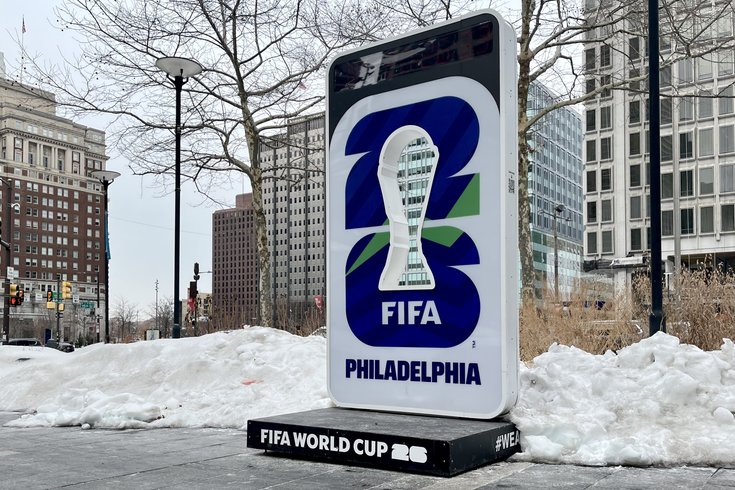
Several states have already enacted temporary changes to alcohol sale laws. In Philadelphia, bars can stay open until 4 AM during the World Cup and the 250th anniversary of American independence. Kansas City allows some establishments to remain open until 5 AM, while Rhode Island is considering extending hours to 3 AM. These adjustments aim to create a vibrant atmosphere for fans who may not have attended stadium matches, offering them a chance to gather, celebrate, and enjoy the global spectacle.

“The magic of the World Cup is bringing people from all over the world together,” says Mark Prinzinger, owner of Lion Sports Bar in Philadelphia. “Extending hours lets us serve more fans and create a shared experience.”
Economic Incentives and Challenges
Businesses are eager to capitalize on the World Cup’s economic potential. However, challenges like post-pandemic shifts in consumer behavior and labor shortages loom large. David Henkes of Technomic notes that “many operators question if demand will justify the costs of staying open late.” Despite this, states like Pennsylvania and New Jersey have moved forward, citing the event’s ability to drive foot traffic and boost local revenue.
Legislators argue that extended hours could revitalize struggling sectors. Governor Josh Shapiro of Pennsylvania highlighted the move with a viral video of him opening a beer, urging fans to “celebrate responsibly.” Yet critics warn of potential strain on public services and safety.
Global Comparisons: UK’s Flexible Approach
The U.S. Isn’t alone in adjusting alcohol policies for the World Cup. In the UK, pubs can stay open until 2 AM during matches involving England or Scotland. Scotland even allows local authorities to grant extra time post-match. These measures reflect a global trend of tailoring regulations to enhance fan engagement while managing risks.
“The World Cup is a unique opportunity to test flexible policies,” says a UK government spokesperson. “It’s about balancing tradition with modern demands.”
Public Safety and Community Concerns
Opposition to extended hours centres on safety. In Kansas City, Mayor Quinton Lucas initially resisted, joking about the city’s “noisy reputation.” However, he later compromised by allowing 3 AM closures with security plans. Similar debates are ongoing in New York and Massachusetts, where lawmakers weigh economic gains against public health risks.
Proprietors like Teresa Tanzi of Rhode Island argue that not all patrons are there to drink. “Families come for burgers and soda,” she says. “It’s about creating a welcoming environment, not just alcohol sales.”
Did You Know?
The 2026 World Cup will be the first to be held in three countries—USA, Canada, and Mexico—making it a historic cross-border event. Learn more about the tournament’s global impact.
Pro Tips for Businesses
- Staff Training: Invest in training to manage late-night crowds responsibly.
- Menu Simplification: Offer quick, crowd-pleasing dishes to reduce service time.
- Partnerships: Collaborate with local hotels and transit services to attract visitors.
FAQ: World Cup Alcohol Policy Trends
Why are states extending bar hours for the World Cup?
To boost local economies, enhance fan experiences, and accommodate global viewers who can’t attend matches.
How do these changes affect public safety?
While some worry about increased incidents, many states require security plans and emphasize responsible drinking.
Are similar trends happening elsewhere?
Yes. The UK allows extended hours during key matches, and Scotland permits post-match closures.
Reader Question
How do you think communities should balance economic benefits with public safety during major events? Share your thoughts below!
Call to Action
Stay informed about the 2026 World Cup’s impact on local economies and nightlife. Explore our coverage of global sports events and join the conversation in the comments.