

US Pacific Command Shift: The Strategic Sidelining of India
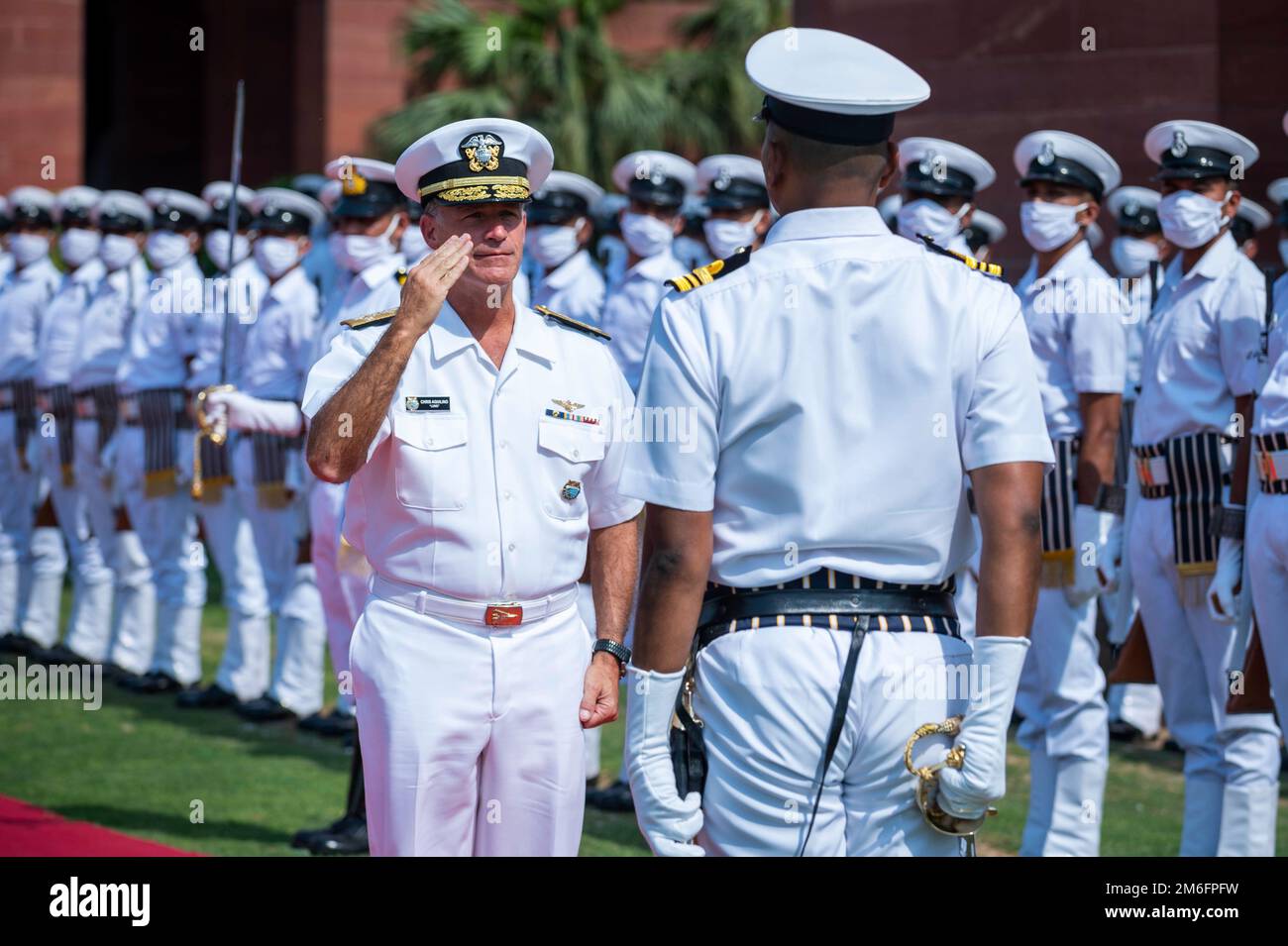
The United States has reverted its “Indo-Pacific Command” to the “U.S. Pacific Command” (USPACOM), effectively deprioritizing the Indian Ocean to focus on China and Russia in the Pacific. According to 360info, this administrative shift signals that Washington now views its relationship with New Delhi as subsidiary to its broader strategic goals in East Asia.
Why did the U.S. revert to the U.S. Pacific Command (USPACOM)?
Washington reprioritized the Pacific to address “near-peer” competition with China and Russian influence in the northeast. According to 360info, the Pacific has re-emerged as the primary strategic theater because it contains critical global flashpoints and vital maritime choke points, including the Straits of Malacca and the South China Sea.
The restructure focuses resources on key allies, specifically Taiwan, Japan, the Philippines, and South Korea. This move undoes a 2018 policy from the first Trump administration that had merged Pacific and Indian Ocean interests. The Indian Ocean is now treated as a strategic backup plan rather than a primary theater of operations.
How does this shift impact India’s strategic autonomy?
India’s pursuit of “strategic autonomy” has transitioned into a strategic tilt toward the U.S., often at a high domestic cost. According to 360info, New Delhi has consistently met exacting U.S. demands to maintain this partnership, including reducing purchases of discounted Russian oil and sacrificing its own energy security.
Financial and trade concessions have also been significant. India pledged to invest $500 billion in the U.S. to support American re-industrialization. Additionally, the U.S. imposed punitive tariffs of 50 percent on Indian goods while proposing a trade deal with undisclosed terms.
The cost of alignment in the Middle East
India’s attempt to align with U.S. interests led to the stagnation of the International North-South Transport Corridor (INSTC). According to 360info, multimillion-dollar investments in Iran’s Chabahar port stalled after U.S. intervention. India nearly abandoned the INSTC in favor of the India-Middle East-Europe Economic Corridor (IMEC), which the source describes as a “paper dream.”

What is the new U.S.-Pakistan-Saudi security dynamic?
Washington has shifted its South Asia policy back toward Pakistan, viewing the country as a primary ally for ambitions in Central Asia and the Middle East. According to 360info, this was evident following Operation Sindoor in May 2025, where Donald Trump claimed to have mediated peace.
The U.S. has endorsed the Pakistan-Saudi Defense Partnership, which may include a nuclear component. This alignment includes close ties with Pakistan’s Army and Field Marshal Asim Munir. This development effectively ends India’s decade-long effort to isolate Pakistan as a “terror supporting state.”
Will the IMEC corridor replace the INSTC?
Current trends suggest IMEC is struggling while China gains ground in the Middle East. According to 360info, the UAE has suffered economic and logistics setbacks following the Iran-Israel-U.S. war, and Saudi Arabia has moved toward rapprochement with Iran.
China is now positioned to secure reconstruction contracts and a role in regional security architecture. This contrasts sharply with the U.S. approach, as Trump has publicly thanked Russia, China, and Pakistan for their roles in Middle East stability, while India’s efforts to become indispensable via Israel have yielded diminished returns.
Comparative Strategic Outcomes
| Strategic Goal | India’s Action (per 360info) | Actual Outcome |
|---|---|---|
| Global South Leadership | Armed Israel despite humanitarian concerns | Loss of goodwill among Arab nations |
| Strategic Autonomy | Cut Russian oil/Stopped Iran oil | Increased dependency on U.S. interests |
| Isolate Pakistan | Aligned with U.S. security goals | U.S. endorsement of Pak-Saudi partnership |
Frequently Asked Questions
What is USPACOM?
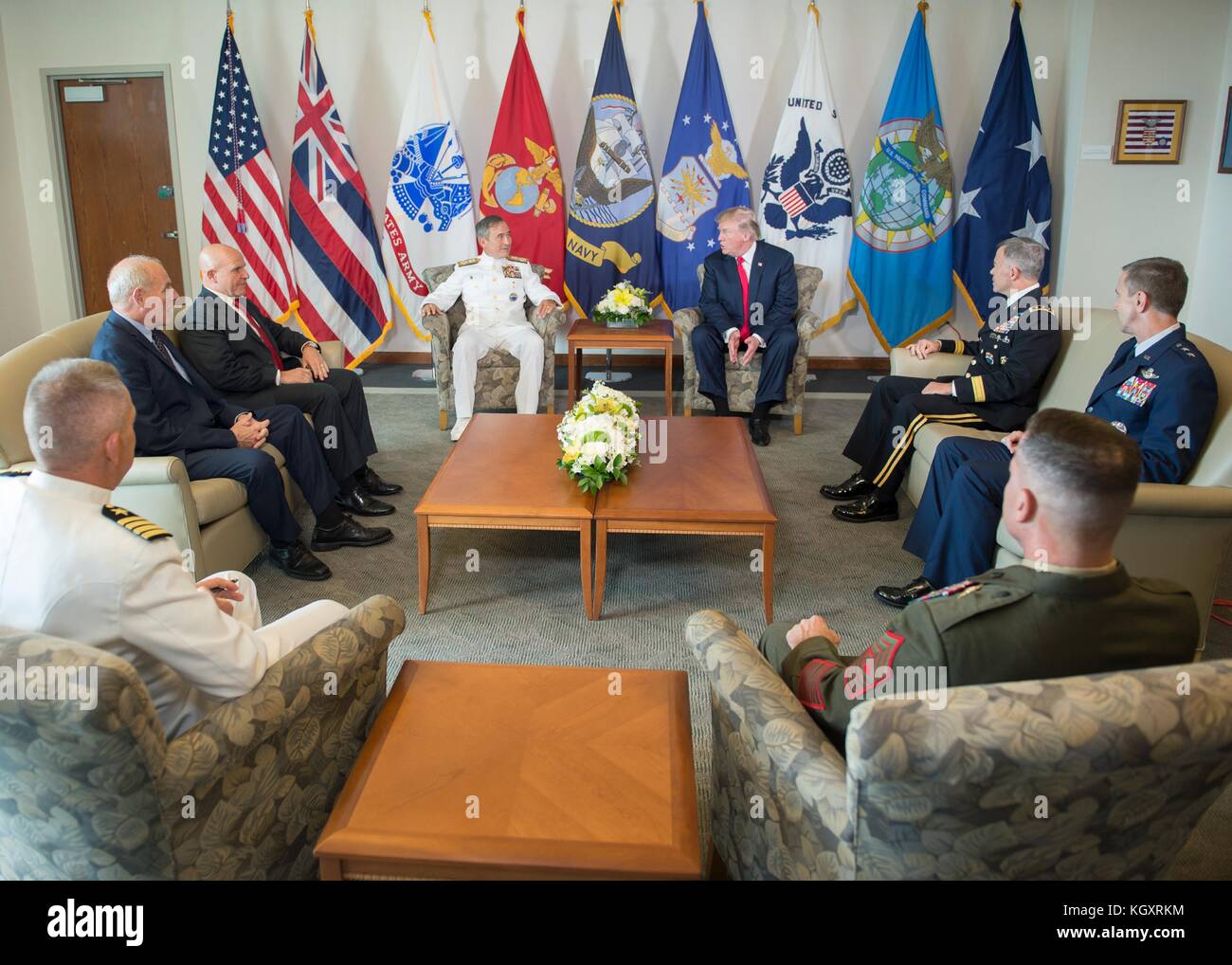
The U.S. Pacific Command is the military structure responsible for U.S. operations in the Pacific. It was recently reverted from the “Indo-Pacific Command” to focus more heavily on China and Russia.
Why is the IMEC corridor called a “paper dream”?
According to 360info, regional instability, economic setbacks in the UAE, and Saudi Arabia’s rapprochement with Iran have prevented the corridor from becoming a functional reality.
How has the U.S. relationship with Pakistan changed?
The U.S. now views Pakistan as a key ally for Central Asian and Middle Eastern ambitions, supporting its defense ties with Saudi Arabia and engaging closely with its military leadership.
Stay Ahead of Global Shifts
Do you think India can reclaim its strategic autonomy, or is the tilt toward Washington permanent? Share your analysis in the comments below or subscribe to our geopolitical newsletter for weekly deep dives.