
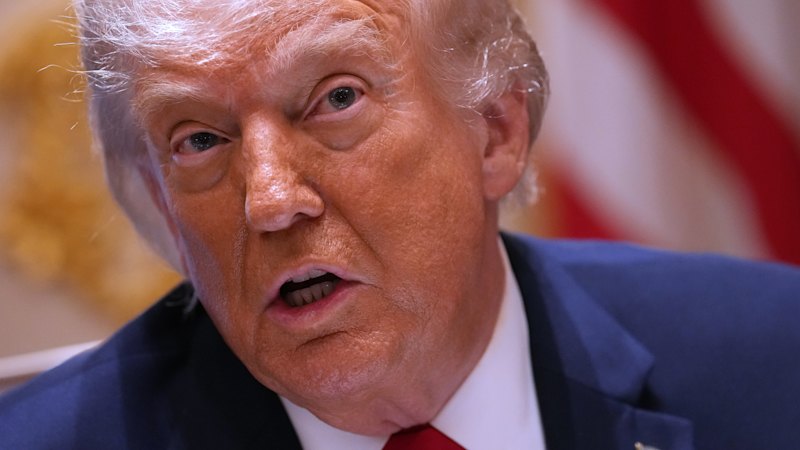
US President scraps controversial $2.5 billion plan following backlash
The recent drama surrounding the proposed “Anti-Weaponisation Fund” is more than just a political headline; it is a symptom of a deeper, systemic shift in how power is wielded in the modern era. When the line between legal proceedings and political strategy blurs, we enter the realm of “lawfare”—the use of legal systems to damage or delegitimize an opponent.
While the specific fund may have been scrapped, the underlying trends—presidential immunity, the perceived weaponization of federal agencies, and the use of settlements to bypass accountability—are likely to define the next decade of democratic governance.
The Rise of Lawfare: When the Courtroom Becomes the Campaign Trail
For decades, the judiciary was viewed as a neutral arbiter. However, we are seeing a global trend where legal battles are no longer just about justice, but about narrative control. From the United States to Brazil and Israel, political leaders are increasingly framing legal challenges as “persecution” to galvanize their base.

This shift creates a dangerous feedback loop. When a leader claims the justice system is “weaponized,” any legitimate investigation is viewed by supporters as a political hit job. Conversely, when leaders use their influence to shield allies from prosecution, the law is seen as a tool for the elite.
The Normalization of “Political Settlements”
One of the most striking aspects of recent events is the concept of a sitting executive negotiating a settlement with their own government. The idea that a leader could potentially trade a public fund for personal immunity from tax audits sets a precedent that could fundamentally alter the relationship between the state and the individual.
If future leaders view the federal government as a negotiating partner rather than a regulatory authority, we may see a rise in “immunity deals” that prioritize political stability over legal transparency. This could lead to a two-tiered justice system: one for the general public and another for those with the leverage to negotiate.
The Fragility of Institutional Trust: IRS and DOJ
Federal agencies like the Internal Revenue Service (IRS) and the Department of Justice (DOJ) rely on a perception of impartiality to function. Once the public believes these agencies are tools for political retribution, compliance drops and cynicism rises.
We are likely to see a trend toward “hyper-transparency” or, conversely, “hyper-secrecy” in these institutions. To combat claims of weaponization, agencies may implement more rigorous oversight boards. However, if the executive branch continues to challenge the legitimacy of these audits and investigations, the very foundation of the rule of law begins to erode.
For a deeper dive into how institutional trust affects economic stability, check out our analysis on the link between governance and market volatility.
Future Trends: What to Watch in the Coming Years
As we look forward, several key trends are likely to emerge from this tension between executive power and legal accountability:
- The “Immunity Expansion”: Expect a push for broader definitions of executive privilege to protect leaders from civil and criminal liability for actions taken while in office.
- Bipartisan “Check-and-Balance” Alliances: As seen with the backlash against the Anti-Weaponisation Fund, we may see temporary, “strange bedfellow” alliances between opposing parties to protect the basic functionality of government agencies.
- Digital Evidence and Lawfare: The role of leaked documents and digital footprints will increase, making the “leak vs. Legality” debate a central part of political warfare.
For more on the evolution of executive power, visit the ACLU or the Heritage Foundation to see contrasting perspectives on constitutional limits.
Frequently Asked Questions
It is the claim that government agencies (like the FBI, DOJ, or IRS) are being used by those in power to unfairly target political opponents rather than enforcing the law neutrally.
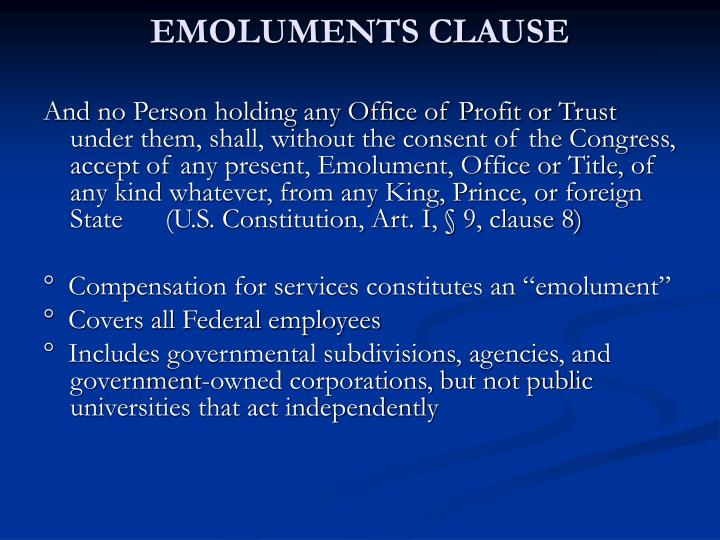
While unusual, it is legally possible through the Department of Justice. However, such settlements often face intense scrutiny from Congress and the courts to ensure they don’t violate the Constitution or the Emoluments Clause.
The primary risk is the loss of faith in the judiciary. If the public believes the courts are merely extensions of political parties, the legal system loses its ability to resolve conflicts peacefully.
Join the Conversation
Do you think the legal system is becoming too political, or is this a necessary evolution of accountability? We want to hear your insights.
Leave a comment below or subscribe to our newsletter for weekly deep-dives into the intersection of law and power.