
US Sanctions Network Shipping Iranian LPG Disguised as Omani
The U.S. Treasury has sanctioned a sophisticated network used to smuggle hundreds of millions of dollars in Iranian liquid petroleum gas (LPG) by disguising it as Omani product. These sanctions target specific individuals, entities, and vessels shipping the fuel to South and East Asian markets to bypass international trade restrictions.
How do “ghost fleets” hide Iranian energy?
Smugglers don’t just sail from point A to point B. They use a complex system of “spoofing” and blending. According to the U.S. Treasury, this specific network intentionally disguised Iranian-origin LPG as Omani LPG. By falsifying origin documents, the network makes the cargo appear legal to port authorities and banks in South and East Asia.
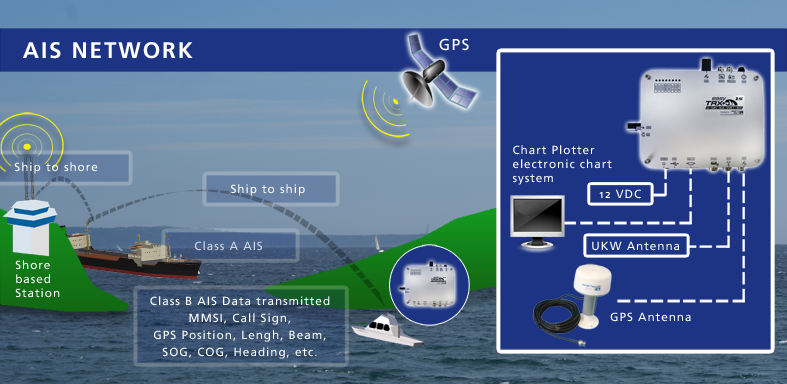
This isn’t a new trick. The industry calls these “ghost fleets”—vessels that turn off their Automatic Identification System (AIS) transponders to disappear from satellite tracking. Once “dark,” ships often engage in ship-to-ship (STS) transfers in open waters, mixing Iranian gas with legal shipments to mask the chemical signature of the fuel.
Why is the U.S. targeting LPG specifically?
Most headlines focus on crude oil, but LPG (propane and butane) is a critical energy source for heating and industrial use across Asia. Because LPG is easier to blend and transport in smaller quantities than massive crude tankers, it’s a prime target for evasion networks. The U.S. Treasury’s move signals a shift toward closing these smaller, more agile loopholes.
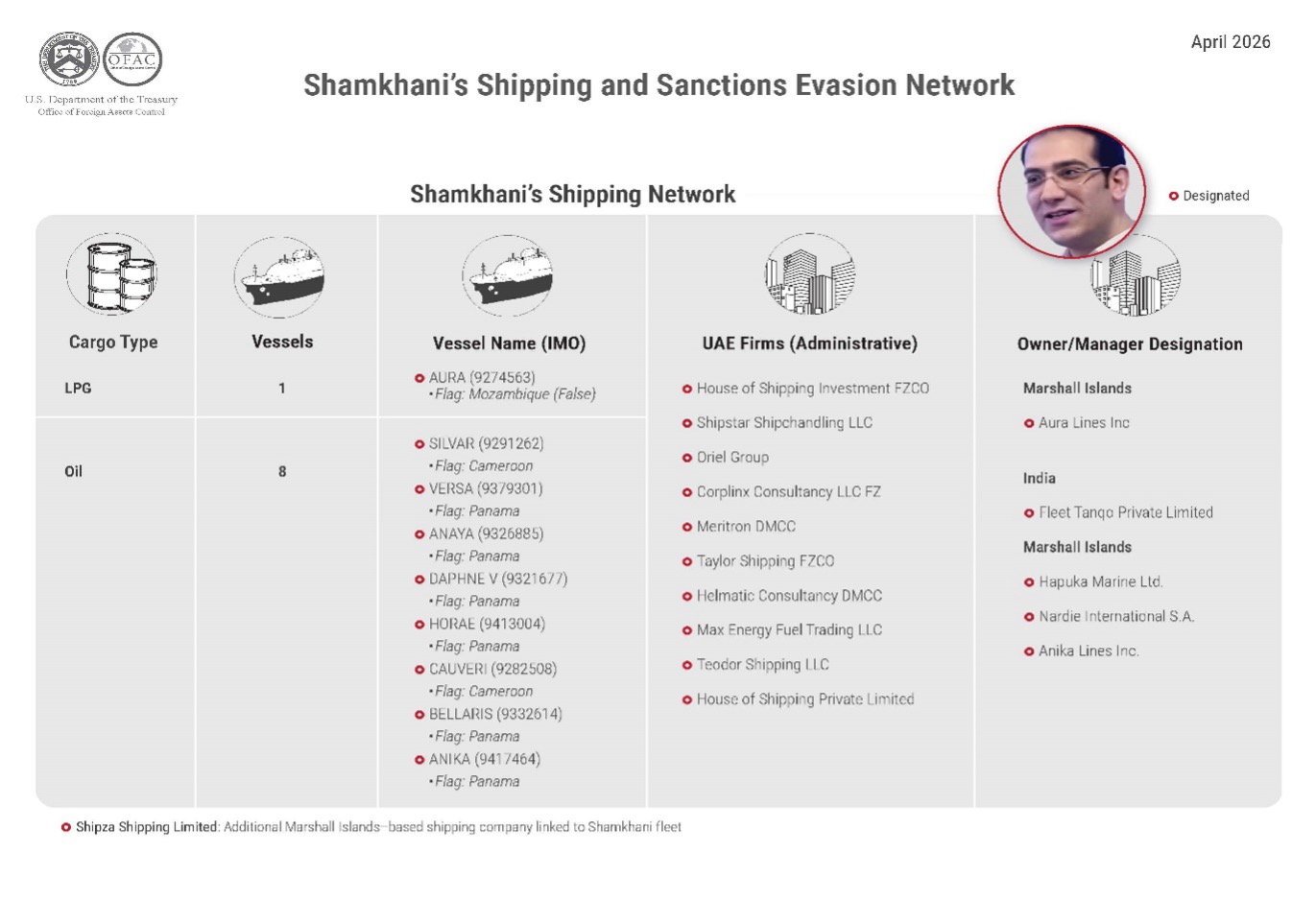
When these networks move hundreds of millions of dollars in product, they provide a vital financial lifeline to the Iranian government. By cutting off the entities responsible for the logistics—the shipping agents and the vessel owners—the U.S. aims to increase the “cost of doing business” for those risking sanctions.
You can read more about the official Treasury press releases to see the specific entities blacklisted.
What happens to the Asian energy markets next?
South and East Asian nations are in a tough spot. They need cheap energy to fuel their economies, but they can’t afford to be on the U.S. sanctions list. When the U.S. identifies a network using Omani disguises, it puts pressure on the buying countries to tighten their “Know Your Customer” (KYC) protocols.
We’ll likely see a trend of “diversified sourcing.” Buyers who previously relied on these “grey market” LPG shipments will have to pivot back to official suppliers or seek alternative energy sources. This often leads to short-term price spikes in regional LPG markets as the supply of cheap, smuggled gas dries up.
Will these sanctions actually stop the flow?
History suggests it’s a game of cat and mouse. Every time the U.S. sanctions a network, the smugglers simply create new shell companies and rename their vessels. However, the Treasury is now targeting the entire chain—individuals, entities, and the ships themselves. This makes it harder for the network to find insurance and banking services.
Compared to previous sanctions that focused solely on the exporting country, these targeted “network” sanctions hit the middlemen. When the shipping agents can’t access the global dollar-clearing system, the logistics of smuggling become exponentially more expensive.
For a deeper dive into how this affects global trade, check out our guide on current energy security trends.
Common Questions About Energy Sanctions
What is “spoofing” in shipping?
Spoofing is when a ship manipulates its AIS (Automatic Identification System) to broadcast a fake location, making it appear as if the vessel is in one part of the ocean while it’s actually loading cargo in a sanctioned port.
Why use Oman as a disguise?
Oman is a legitimate energy hub. By claiming the LPG is Omani, smugglers leverage the country’s reputation as a stable exporter to avoid suspicion from customs officials in Asia.
How do sanctions affect the price of gas?
Sanctions reduce the total available supply of cheap energy. When “grey market” shipments are blocked, buyers must pay market rates for legal fuel, which can drive up costs for industrial users.
Join our newsletter for weekly breakdowns of energy markets and global sanctions.
Subscribe Now
Do you think targeted sanctions are effective, or do they just push smugglers to become more creative? Let us know in the comments below.