

US Supreme Court Allows ExxonMobil to Sue Cuba Over Expropriated Assets
The U.S. Supreme Court ruled that U.S.-based companies can sue Cuban state-owned entities for assets seized after the 1959 revolution. This decision, favoring ExxonMobil, affirms that the 1996 Helms-Burton Act removes sovereign immunity for Cuban agencies and their affiliates, according to court records.
Why can ExxonMobil sue Cuban state companies now?
The U.S. Supreme Court’s conservative majority determined that the Helms-Burton Act of 1996 explicitly overrides the foreign sovereign immunity typically granted to state agencies. This ruling reverses previous decisions from lower courts that had blocked such lawsuits.
For years, U.S. presidents systematically suspended the specific provision of the Helms-Burton Act that allows these lawsuits. That changed in May 2019, when the Donald Trump administration ended the suspension. This policy shift opened the legal door for ExxonMobil to file its claim in 2019.
What assets are at the center of the $1 billion claim?
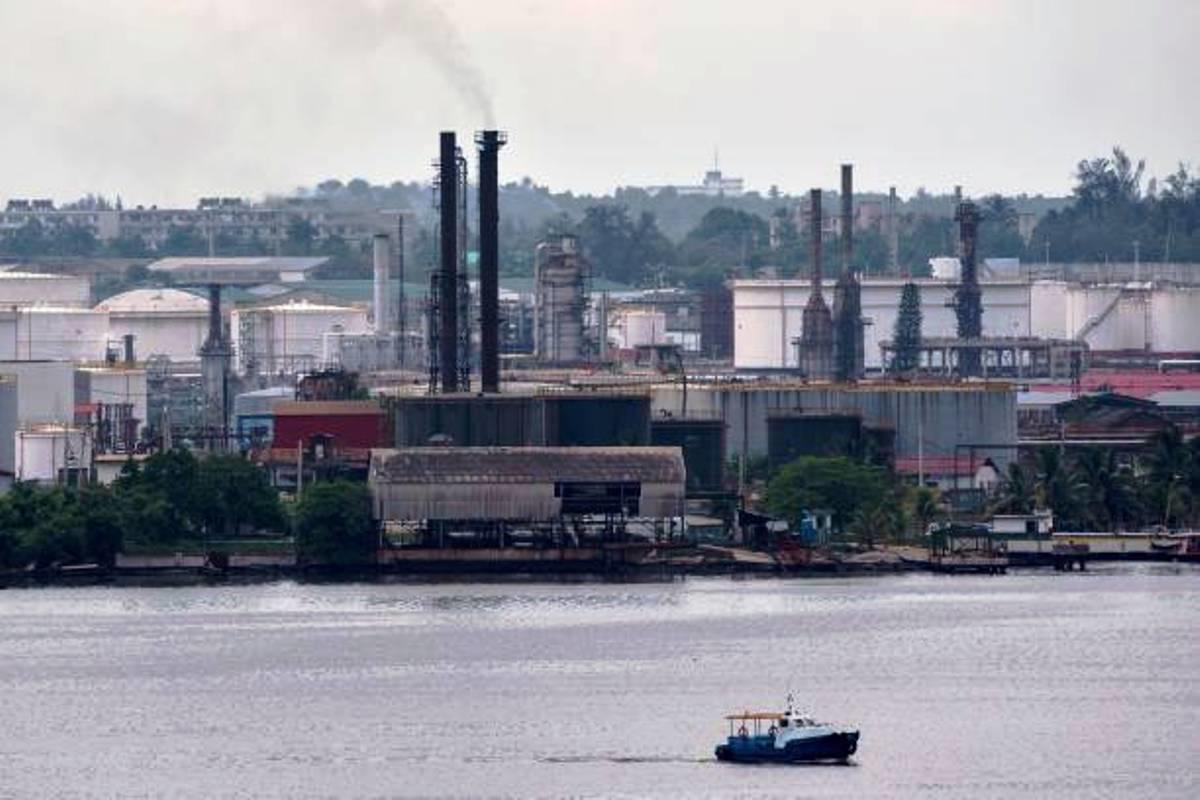
ExxonMobil is seeking more than $1 billion in compensation for assets nationalized by Fidel Castro’s government. The dispute centers on a refinery in Havana, gas stations, and other infrastructure originally owned by Standard Oil, the predecessor to Exxon.

According to the legal filings, two Cuban state entities are the primary targets: Cuba Petroleo (Cupet), which currently operates the refinery, and the holding company Cimex, which manages gas stations across the island.
The case highlights a long-term corporate evolution; Standard Oil’s assets were seized shortly after the 1959 revolution, and Exxon eventually merged with Mobil in 1988 to form the current entity.
How does this ruling affect international legal precedents?
The decision creates a sharp divide in judicial interpretation. Six conservative justices voted in favor of the suit, while three progressive justices dissented. The core of the disagreement rests on whether a domestic law (Helms-Burton) can legally strip a foreign state of its sovereign immunity in U.S. courts.
By ruling that the 1996 law “clearly abrogated” this immunity, the Court has set a precedent that could encourage other U.S. companies with expropriated assets in Cuba to seek similar reparations.
What happens next for U.S.-Cuba relations?
This legal victory for ExxonMobil arrives as the U.S. government increases pressure on the communist island. Because the ruling allows for the pursuit of assets, it adds a layer of financial risk to any Cuban state entity doing business or holding assets within U.S. jurisdictions.
While the court has granted the right to sue, the actual collection of $1 billion remains a complex hurdle. Cuban state companies rarely hold significant liquid assets in the U.S., meaning any payout would likely require a diplomatic settlement or the seizure of specific Cuban-linked assets found abroad.
| Period | Helms-Burton Status | Legal Result |
|---|---|---|
| 1996 – May 2019 | Provision suspended by Presidents | Lawsuits blocked |
| May 2019 – Present | Provision active (Trump admin) | ExxonMobil suit permitted |
Frequently Asked Questions
What is the Helms-Burton Act?
It’s a 1996 U.S. law that tightens the embargo against Cuba and allows U.S. nationals to sue those who “traffic” in expropriated property.
How much is ExxonMobil claiming?
The company is seeking over $1 billion in damages for its nationalized refinery and gas stations.
Who are Cupet and Cimex?
They are Cuban state-owned companies. Cupet manages petroleum assets, while Cimex handles various commercial holdings, including gas stations.
What’s your take on the use of domestic laws to override foreign sovereign immunity? Does this set a dangerous precedent for global trade? Let us know in the comments or subscribe to our newsletter for more deep dives into international law.