
US to Reduce Military Assets in NATO and Shift Burden to Europe
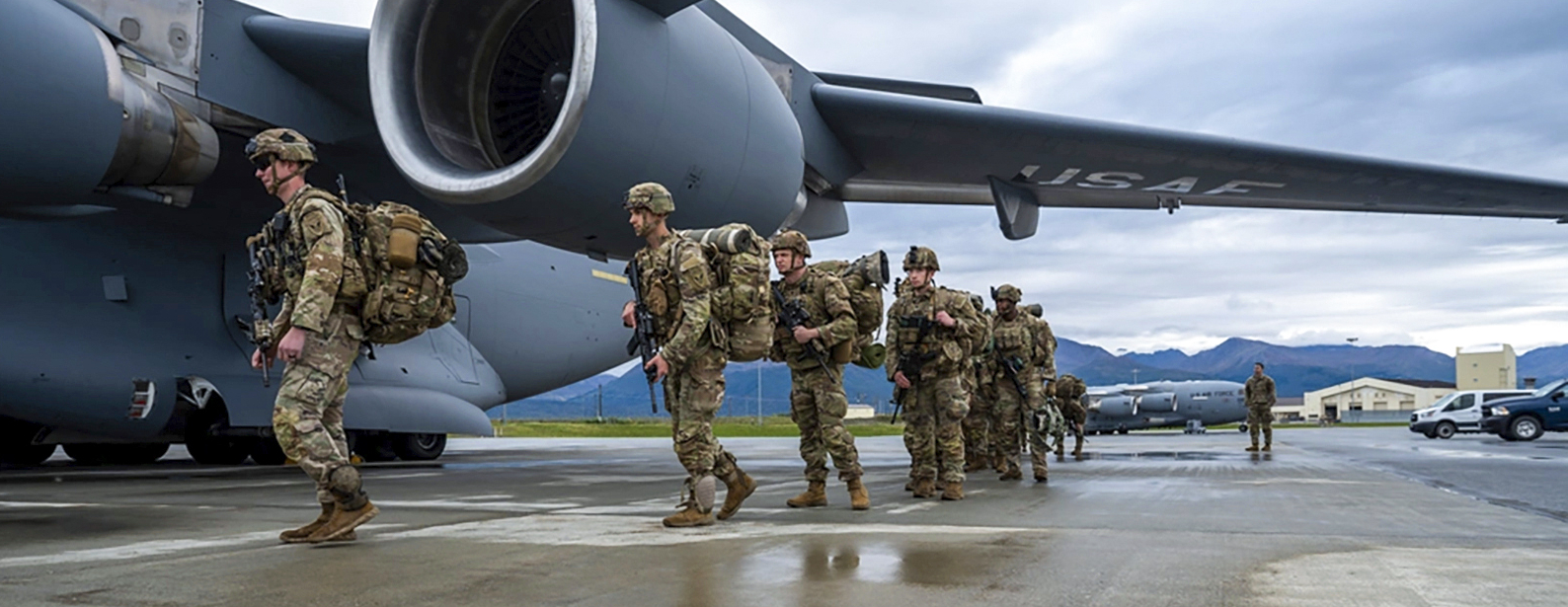
The United States has notified NATO allies of planned reductions in the military assets it provides to the alliance. A Pentagon representative recently informed senior officials that Washington will provide significantly fewer critical military resources moving forward.
A Strategic Shift in Military Contributions
The planned reductions encompass a wide array of high-value assets, including ships, drones, refueling aircraft, and strategic bombers. Most notably, the U.S. Contribution of fighter jets is expected to be reduced by one-third.
The ‘NATO Force Model’ and Burden Sharing
These adjustments are being developed in accordance with the “NATO Force Model.” Washington is now requesting a redistribution of the military load among member states.
On May 22, Pentagon envoy Alexander Wales-Greens provided NATO representatives with the specific figures that reflect these U.S. Plans. This move signals a transition in how the alliance manages its collective assets.
Conventional defence and Nuclear Deterrence
During a briefing, the Pentagon representative clarified the future division of labor. The U.S. Intends to maintain its role in nuclear deterrence within Europe.
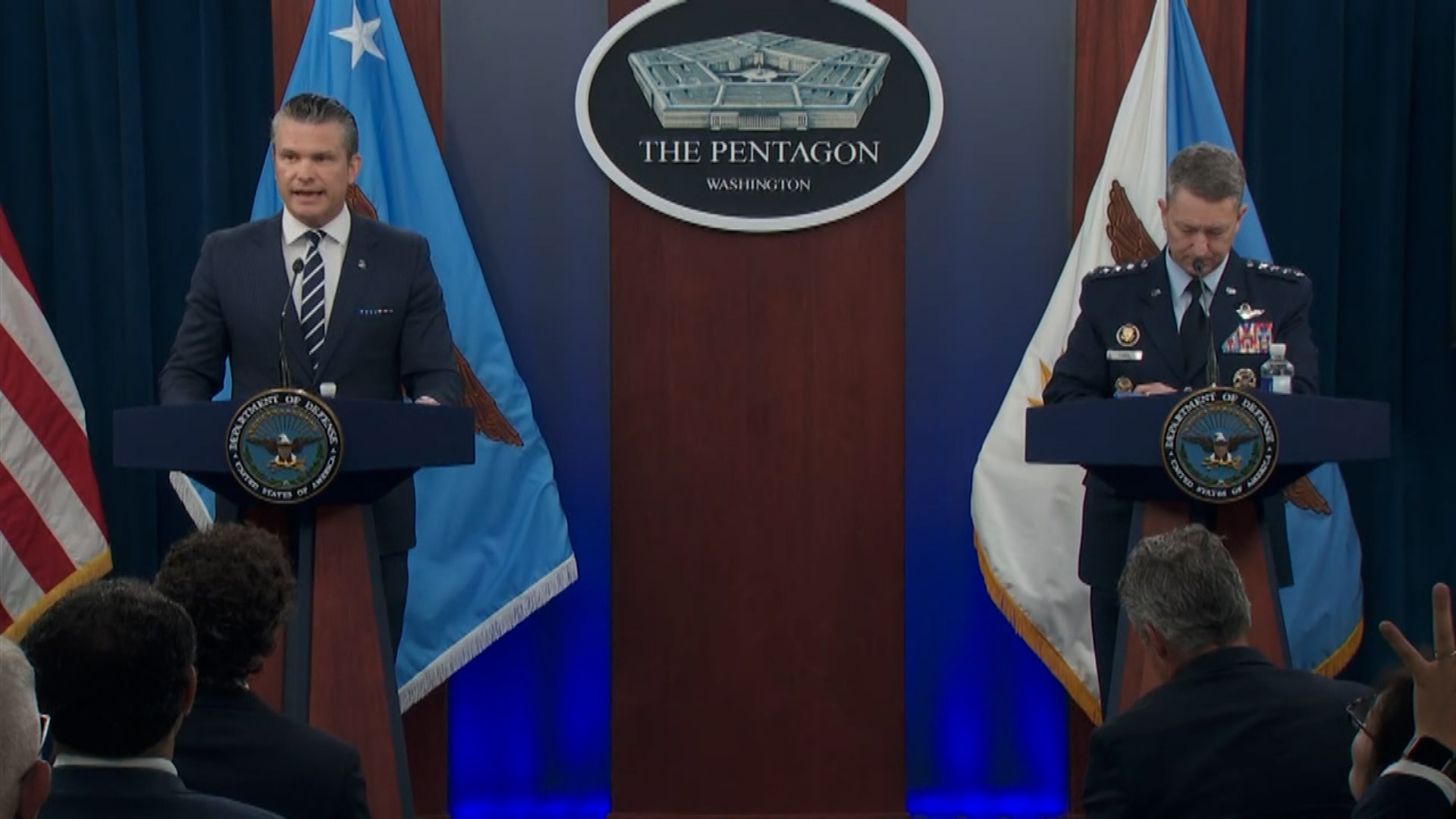
However, the U.S. Has stated that European nations must now assume the primary burden of the continent’s conventional defence. This creates a new requirement for European states to increase their own military capabilities.
Future Outlook and Implementation
The next phase of this transition is likely to unfold during the Force Provisioning Conference scheduled for June. Washington is expected to wait for this meeting to review specific proposals.
A possible next step involves identifying which European countries may be able to replace the U.S. Assets in the areas where reductions will occur. The outcome of this conference could determine the new distribution of conventional military power in the region.
Frequently Asked Questions
Which military assets are being reduced by the U.S.?
The reductions include fighter jets (by one-third), ships, drones, refueling aircraft, and strategic bombers.
What is the U.S. Position on nuclear deterrence in Europe?
The Pentagon representative stated that the United States will maintain nuclear deterrence in Europe.
When will the U.S. Receive proposals for asset replacement?
Washington is waiting for the Force Provisioning Conference in June to receive proposals on which European countries can replace the reduced U.S. Assets.
How might the redistribution of military responsibilities impact the strategic autonomy of European nations?