
US to Review Forces in Europe as Hegseth Urges NATO Allies to Increase Defense Spending
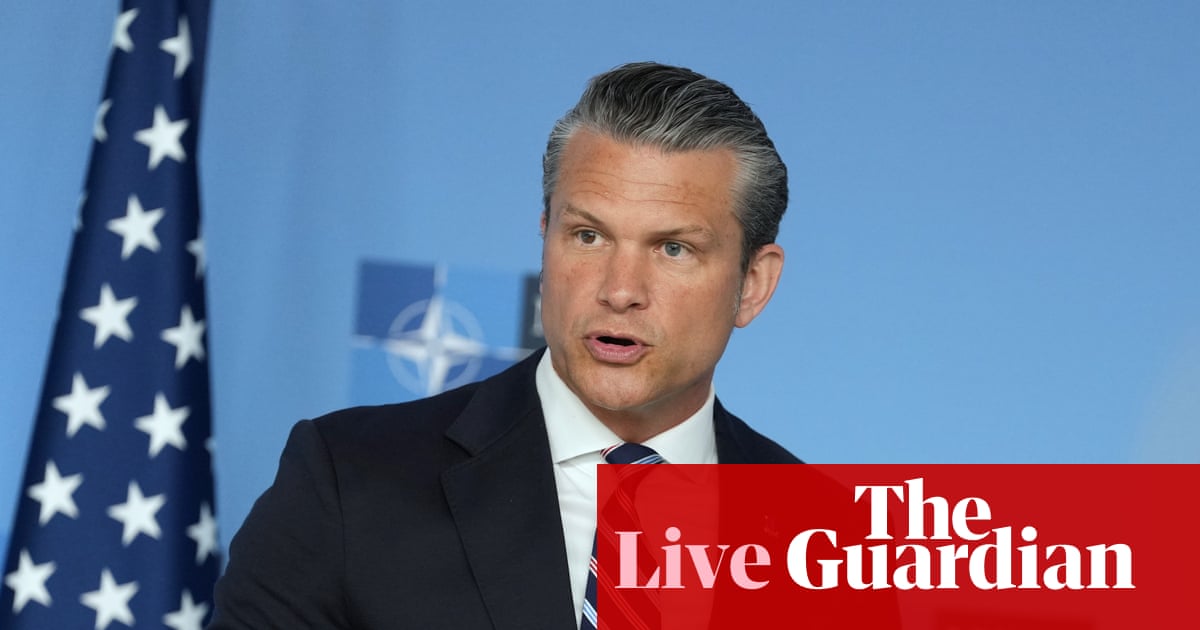
The United States Department of Defense is launching a six-month, comprehensive review of its military force posture in Europe, signaling a potential shift in how Washington manages its security commitments to NATO. Secretary of Defense Pete Hegseth stated the review will evaluate the strategic benefits of U.S. troop deployments, warning that future American financial contributions to the alliance will be contingent on individual member nations meeting their defense spending targets. This policy pivot follows ongoing tensions regarding European military investment and recent disagreements over support for U.S. operations in the Middle East.
Why is the U.S. reviewing its military presence in Europe?
According to Secretary of Defense Pete Hegseth, the U.S. is conducting this review to ensure that NATO moves “fast and irreversibly” toward a structure where European nations take primary responsibility for their own regional defense. Hegseth explicitly stated that the era of “free riding” is over, noting that the U.S. can no longer afford to pay more for Europe’s security than the allies themselves. The review, expected to last six months, will analyze whether current U.S. force levels provide actual, measurable benefits to American national interests. Hegseth emphasized that the department will be “clear and candid” about the results, suggesting that some nations may fail to meet the new, stricter standards of the U.S. assessment.
How will the review impact NATO member contributions?
The U.S. government plans to link its financial dues to the NATO budget directly to the progress individual allies make toward their defense spending commitments. “Where other allies do not spend with urgency, our dues, contributions will go down,” Hegseth said during the ministerial meeting in Brussels. This approach marks a departure from previous administrations, framing NATO as a “two-way street” rather than a one-way security guarantee. While the U.S. has long pressured allies to meet spending targets, the threat to reduce contributions creates a tangible consequence for those that fail to align with the new U.S. posture.
What is the connection between the force review and recent geopolitical tensions?
The U.S. frustration is rooted in more than just budget figures; it stems from a perceived lack of operational support. Hegseth cited a “shameful” refusal by several allies to assist with access and overflight rights during recent U.S. operations related to Iran. He argued that these nations relied on “arcane legal debates” to avoid involvement, effectively putting U.S. personnel at risk. This contrast is striking when compared to the rhetoric of the mid-20th century; Hegseth noted that leaders like Winston Churchill and Konrad Adenauer expected Europe to be a robust military power allied with the U.S., rather than a dependency. The current review aims to reverse what the U.S. characterizes as decades of “de-industrialization and demilitarization” within the alliance.
How does the current situation compare to previous NATO eras?
Hegseth’s critique draws a sharp line between “NATO 2.0″—which he described as an era of distraction focused on social issues like gender equality and climate change—and a return to a “NATO 3.0” focused on hard power. Below is a comparison of the stated priorities:
| Era | Primary Focus |
|---|---|
| NATO 2.0 | Welfare expansion, climate change, gender equality. |
| NATO 3.0 | Hard power, tanks, fighters, and air defense. |
Frequently Asked Questions
Will the U.S. withdraw all troops from Europe?
The U.S. has not announced a full withdrawal. The six-month review is intended to optimize force posture and ensure that European allies take the lead in conventional defense, rather than serving as a total exit strategy.
Which countries are most affected by the U.S. review?
While the U.S. has not named specific countries, Hegseth’s comments regarding “free riding” and the refusal to assist with Iran operations suggest that nations in Southern and Western Europe—such as Spain, Italy, or Portugal—may face the most scrutiny.
What happens if a country fails the U.S. posture review?
Hegseth indicated that the review is not a “box-ticking exercise.” Countries that fail to meet the requirements for military readiness and spending may see a reduction in U.S. financial contributions to the NATO budget and a reassessment of U.S. military assets stationed within their borders.
Have thoughts on the shifting dynamics of the NATO alliance? Leave a comment below or subscribe to our newsletter for updates on the upcoming Ankara summit.