
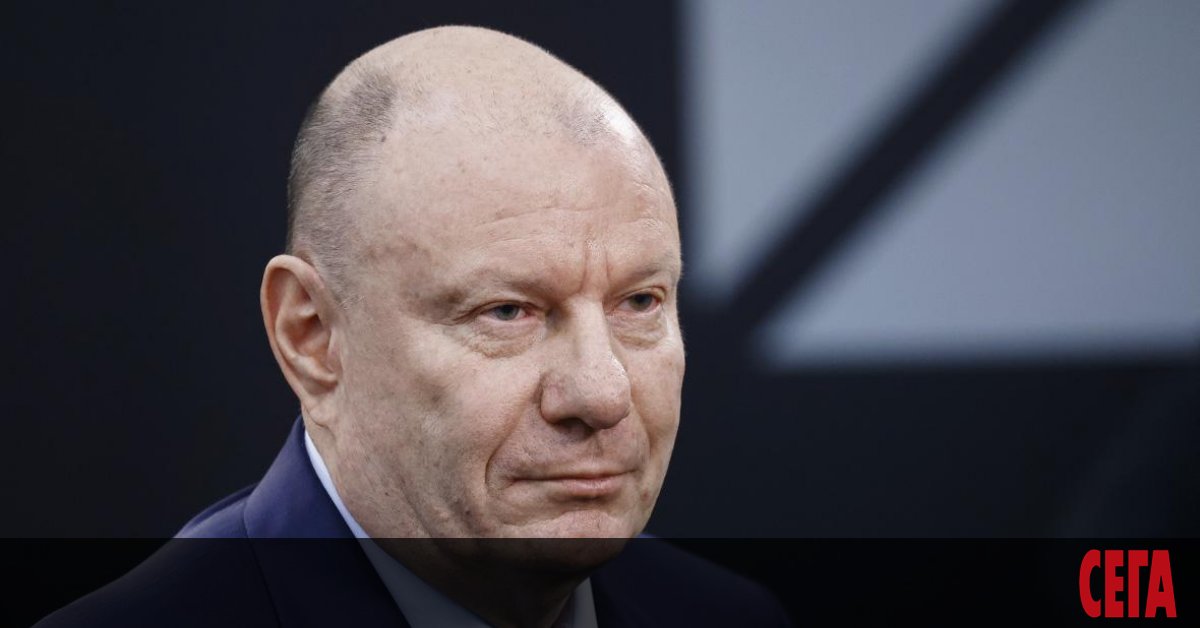
US Treasury Removes Russia-Linked Entities from Sanctions List
The U.S. Treasury’s Office of Foreign Assets Control (OFAC) has removed a group of Russia-linked individuals, vessels, and companies from the Specially Designated Nationals (SDN) list. The removals include Ivan Potanin, son of oligarch Vladimir Potanin, and officials from several major Russian banks, though OFAC provided no official reason for the decision.
Who was removed from the SDN list?
The list of removed individuals includes German Valentinovich Belous, Mikhail Vasilievich Klyukin, Irina Vladimirovna Kremleva, Viktor Andreevich Nikolaev, Nadia Narimanovna Cherkasova, Ivan Vladimirovich Potanin, and Maxim Yurievich Smirnov.
OFAC also delisted two Russian-flagged general cargo ships, the “Vyacheslav Arshinov” and the “Gennady Egorov.” Additionally, two Turkish firms, Ida Asansor Sanayii ve Ticaret Limited Sirketi (also known as Ida Elevator Industry and Trade Limited Company) and Dein Danismanlik Pazarlama ve Ticaret Anonim Sirketi, were removed from the restrictions.
Why were these entities originally sanctioned?
Several removals involve figures previously targeted for their roles in Russian financial institutions. According to OFAC records, Belous was listed as a board member of Novikombank, a state bank linked to the defense sector. Klyukin was associated with Sovcombank, which OFAC blocked in 2022 as a systemically important financial institution.
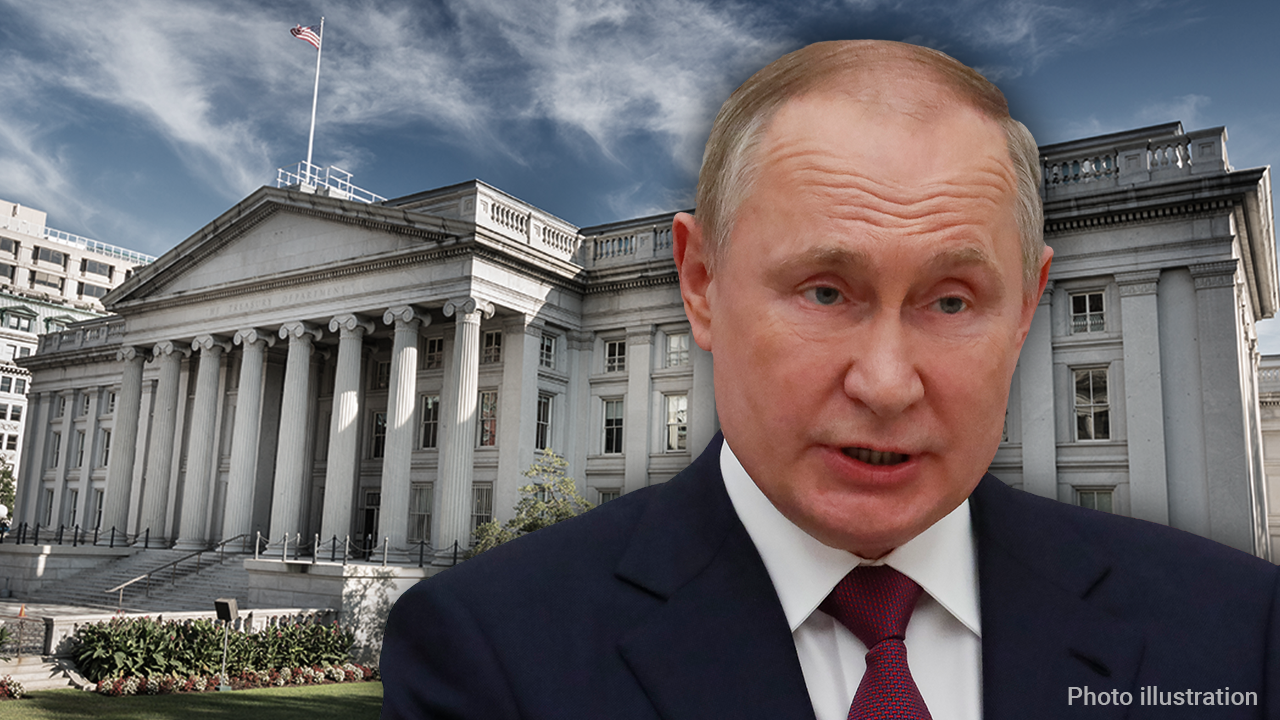
Kremleva, Nikolaev, and Cherkasova were listed due to their ties to Otkritie Bank, another major institution blocked shortly after Russia’s full-scale invasion of Ukraine. Ivan Potanin was sanctioned as part of broader U.S. actions against Vladimir Potanin and his family, which the State Department stated included his spouse and adult children.
The “Vyacheslav Arshinov” and “Gennady Egorov” ships were identified as assets in which the State Transport Leasing Company (GTLK) held an interest. GTLK is a frequent target of U.S. and allied sanctions due to its role in the Russian transport and leasing sectors.
Maxim Smirnov, president of the Samara Metallurgical Plant, was sanctioned in 2024. This action was part of a package marking two years of the invasion of Ukraine and responding to the death of opposition leader Alexei Navalny. The two Turkish companies were originally targeted for their alleged roles in supply channels used to bypass sanctions.
Who is Vladimir Potanin?
Vladimir Potanin is one of Russia’s most influential oligarchs and a long-term driver of the country’s large-scale business. He founded the investment company Interros in 1990, which serves as the foundation of his business empire.
Potanin is regarded as a primary architect of the Russian privatization process in the 1990s. He also served as the first deputy prime minister of Russia from 1996 to 1997.
What may happen next?
The lack of a stated reason for these removals could lead to speculation regarding the criteria for delisting. It is possible that OFAC may continue to adjust the SDN list based on updated ownership data or changes in the roles of the listed individuals.
Future actions may involve a more frequent review of “associated” parties, such as family members or mid-level executives, to ensure sanctions remain focused on the most critical targets.
Frequently Asked Questions
Why did OFAC remove these individuals and companies from the SDN list?
OFAC did not provide a reason for the removals.
Which Russian banks were linked to the delisted individuals?
The individuals were linked to Novikombank, Sovcombank, and Otkritie Bank.
What was the reason for the original sanctions on the Turkish companies?
The companies were targeted for their alleged involvement in channels used to bypass sanctions and manage supplies for Russia.
Do you think the removal of family members from sanctions lists changes the effectiveness of economic pressure?