
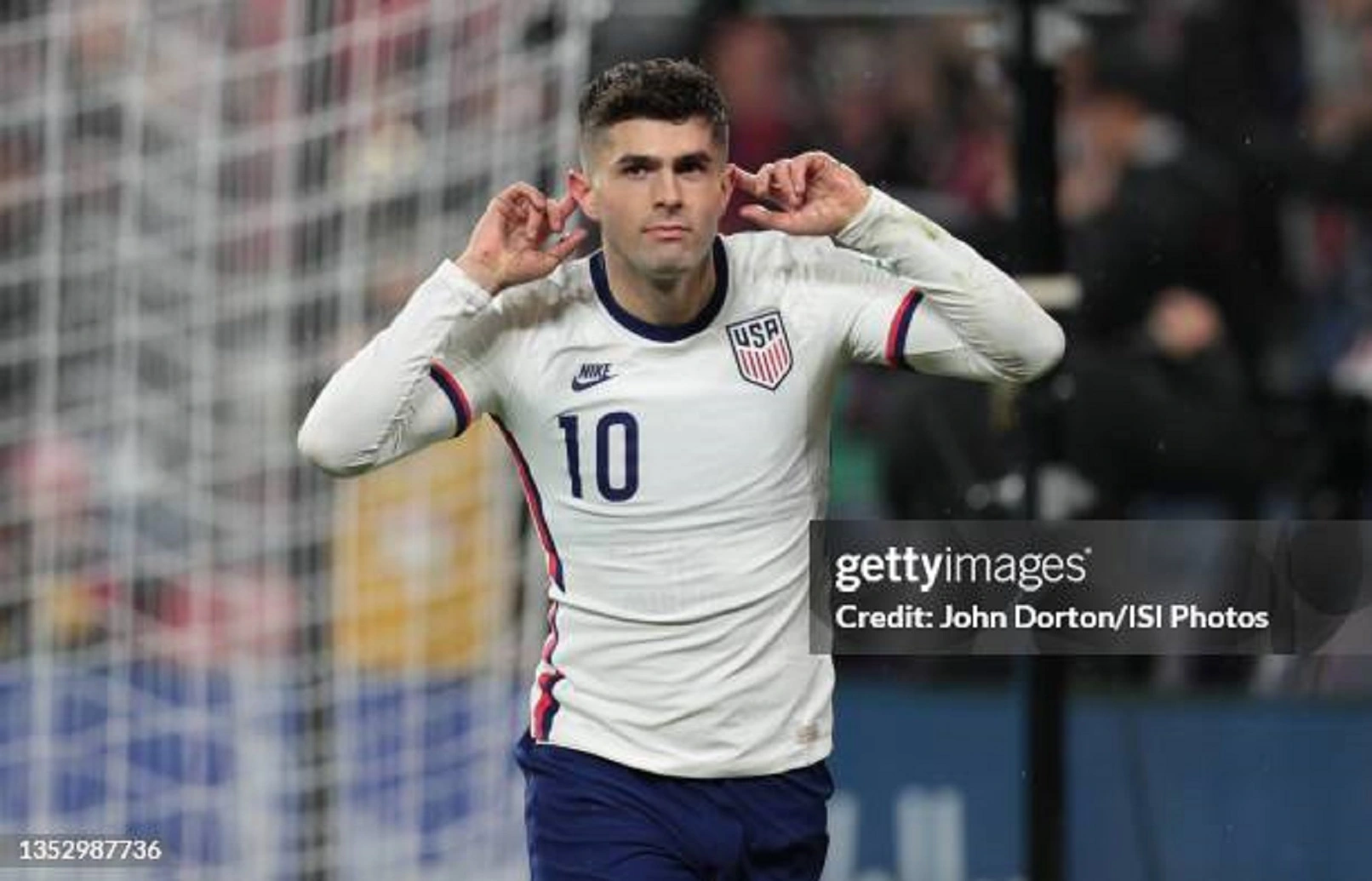
USA 2026 World Cup Squad: Official 26-Player List
The Europeanization of US Soccer: A New Era of Dominance
For decades, the United States was viewed as a sleeping giant in the world of football. However, looking at the current squad—led by the likes of Christian Pulisic at AC Milan and Timothy Weah at Olympique de Marseille—it’s clear that the “sleeping giant” has finally woken up. The trend is undeniable: the USMNT is no longer just exporting talent; it is integrating its players into the very heartbeat of European football.
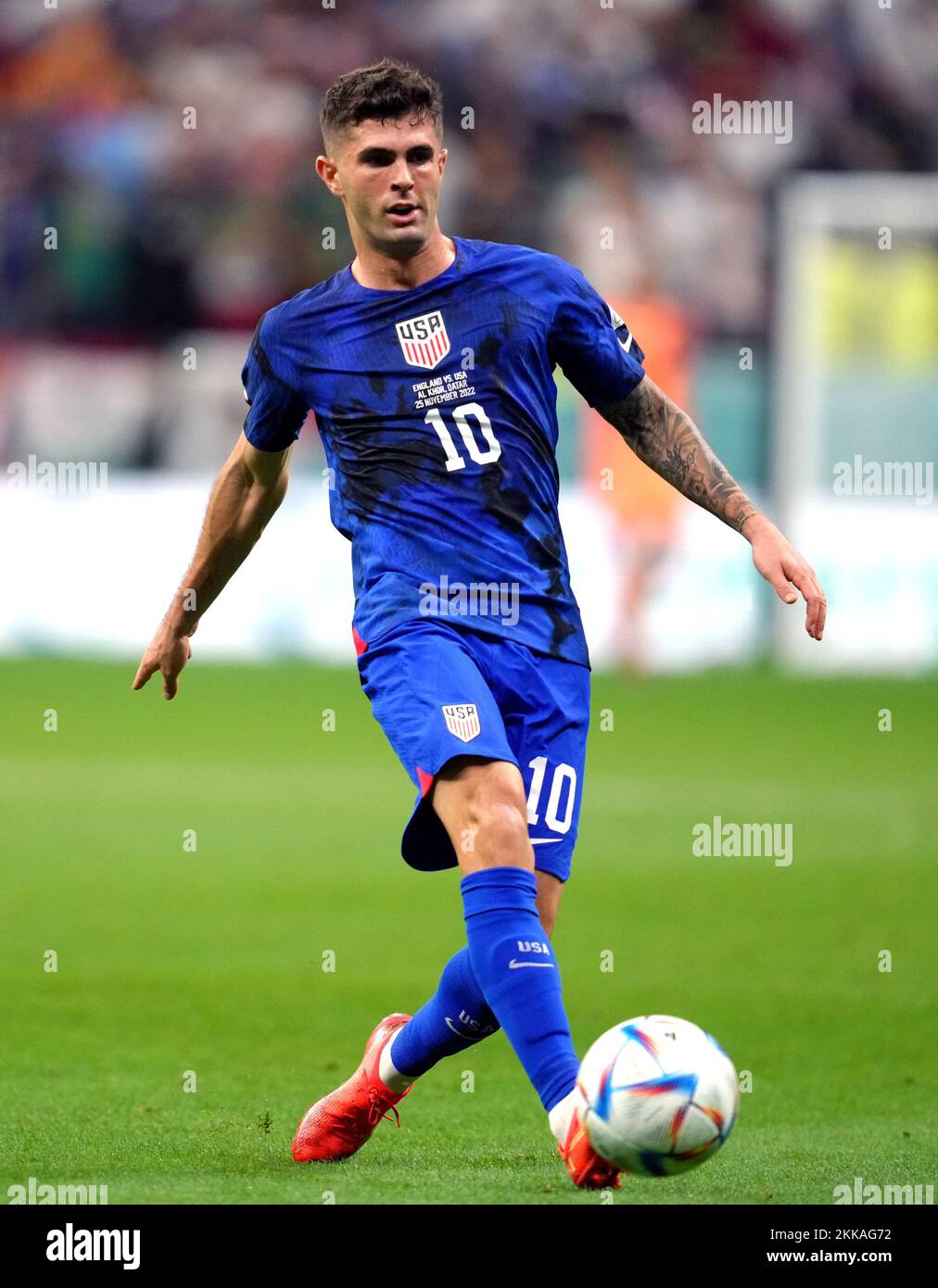
This shift represents more than just individual success. We are seeing a systemic move toward “tactical maturity.” When players like Weston McKennie (Juventus) and Folarin Balogun (Monaco) compete weekly in the world’s most demanding leagues, they bring a level of cynicism, positioning, and pressure-management that simply cannot be learned in domestic leagues alone.
The Synergy Between MLS and the Global Stage
While the European exodus is a key trend, the evolution of Major League Soccer (MLS) is playing a crucial role. The league is no longer just a retirement home for aging stars; it has become a sophisticated launching pad for youth. The inclusion of players from clubs like the Columbus Crew and New York City FC shows that the domestic pipeline is finally syncing with international standards.
The “Messi Effect” has accelerated this trend, bringing unprecedented global visibility to the US game. This creates a virtuous cycle: higher visibility leads to better scouting, which leads to more young Americans moving to Europe earlier in their careers, which in turn strengthens the national team.
The Rise of the “Dual-National” Strategy
Another emerging trend is the aggressive pursuit of dual-national players. By tapping into the diaspora, the US is adding depth and versatility to its roster. This strategy allows the team to fill specific tactical gaps—such as a creative playmaker or a physical center-back—much faster than relying solely on domestic development.
For more on how youth development is changing, check out our guide on the evolution of global soccer academies.
Hosting the World Cup: A Psychological Turning Point
Playing on home soil is a double-edged sword. While the atmosphere provides an immense boost, the pressure can be suffocating. However, the current generation of players is uniquely equipped to handle this. Unlike previous squads, the core of this team—Pulisic, Adams, and Reyna—has grown up in the spotlight of global football.
The trend here is the “normalization of success.” For this group, playing against world-class opposition isn’t a once-in-a-lifetime event; it’s their Tuesday night. This psychological shift is what will allow the US to move past the Round of 16 “glass ceiling” that has historically plagued the team.
According to data from FIFA, host nations often see a significant spike in domestic participation and infrastructure investment, which suggests that the 2026 tournament will leave a legacy far beyond the final whistle.
Future Tactical Shifts: What to Expect
Looking forward, expect the USMNT to move away from a reliance on raw athleticism and toward a possession-based, fluid style of play. With midfielders like Giovanni Reyna and Malik Tillman, the team has the technical capacity to dictate the tempo of a game rather than simply reacting to the opponent.
The challenge will be balancing this creativity with the defensive stability provided by players like Tyler Adams. The trend in modern football is the “hybrid player”—defenders who can play-make and attackers who can press—and the US roster is increasingly built around these versatile profiles.
Frequently Asked Questions
Can the USMNT actually compete with top-tier nations?
Yes. With a core of players starting in top European leagues, the technical gap has closed significantly. Their success now depends on tactical cohesion and mental resilience.
How does playing in MLS affect a player’s World Cup readiness?
While Europe offers higher intensity, MLS provides stability and leadership opportunities. The best squads blend the grit of European experience with the cohesion of domestic stars.
Who are the key players to watch for future growth?
Keep an eye on the young attackers and the “dual-nationals” who are currently breaking into European first teams; they represent the next wave of US dominance.
Do you think the USMNT can reach the semi-finals in 2026?
We want to hear your take! Drop a comment below with your score predictions or subscribe to our newsletter for exclusive tactical breakdowns.