
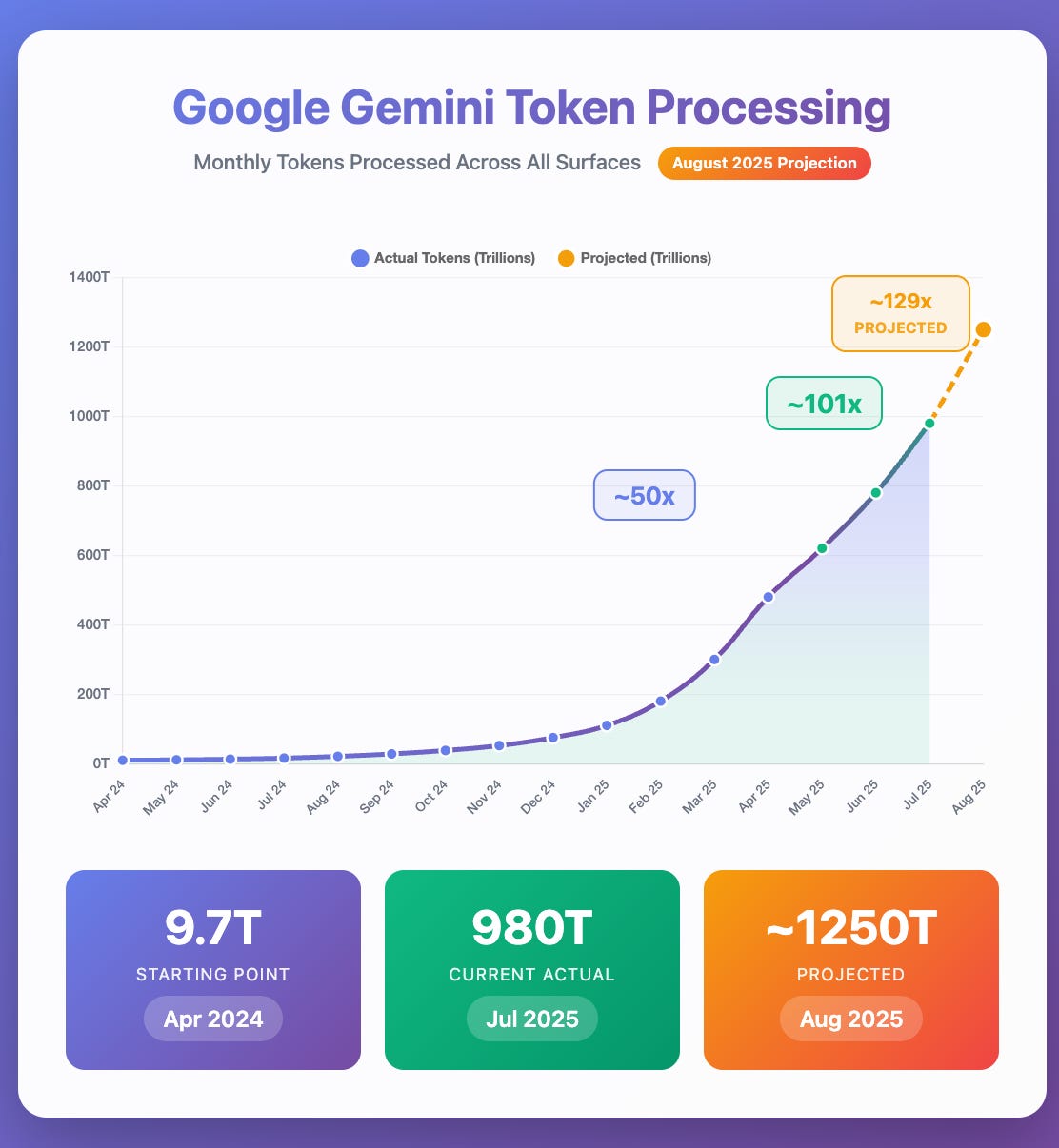
Users Burn Quadrillions of Tokens Every Month
Users of a major AI-driven platform are consuming tokens at an unprecedented scale—quadrillions per month—a rate that has raised urgent questions about infrastructure costs, scalability, and the long-term viability of the underlying technology. While the exact platform remains unnamed, the sheer volume of token usage underscores a critical tension: as demand surges, so too do the financial and operational pressures on providers, potentially reshaping how these systems are monetized, governed, and accessed in the future.
The Scale of the Problem
The reported consumption of quadrillions of tokens monthly is not merely a technical detail—It’s a symptom of a broader challenge. Token usage in AI systems typically reflects computational demand, data processing, and user interaction complexity. When aggregated across millions of users, this volume strains existing infrastructure, forcing providers to confront whether current models can sustain growth without compromising performance, security, or profitability.
For platforms relying on token-based pricing, this could translate into exponential cost escalation. Users accustomed to flat-rate or tiered pricing may face unexpected fees as providers pass along the burden of scaling. Meanwhile, developers and businesses integrating these tools could see budget overruns, particularly if token costs become unpredictable or volatile.
Why This Matters: Cost, Access, and Innovation
The implications of this token burn rate extend beyond balance sheets. For individual users, rising costs could limit access to advanced AI tools, exacerbating digital divides. Small businesses and startups, already stretched by operational expenses, may find themselves priced out of competitive AI-driven workflows. Conversely, enterprises with deep pockets could consolidate even greater control over AI resources, further concentrating market power.
Providers may respond in several ways. Some could introduce dynamic pricing tiers, adjusting costs based on usage patterns or user segments. Others might invest heavily in optimizing token efficiency, potentially delaying but not eliminating the need for infrastructure upgrades. A third possibility is the emergence of alternative monetization models—subscription bundles, revenue-sharing with developers, or even government subsidies in sectors where AI adoption is deemed critical.
What Could Happen Next?
If current trends persist, providers may face a crossroads. One path could lead to aggressive cost-cutting measures, such as capping token usage or deprioritizing less profitable features. Another might see a race to develop more efficient models, reducing token consumption per interaction without sacrificing capability. Regulatory scrutiny could also intensify, particularly if users perceive token pricing as exploitative or opaque.
Analysts expect that larger players with diversified revenue streams—those already embedded in cloud computing or enterprise software—may weather the storm better than niche providers. Smaller competitors, however, could struggle to compete on both innovation and cost, potentially leading to consolidation in the sector. Meanwhile, users may push for industry-wide standards on token pricing, similar to how data storage costs are now benchmarked across cloud providers.
Frequently Asked Questions
What does “burning through quadrillions of tokens” mean for everyday users?
It suggests that the cost of using AI tools could rise significantly, as providers may need to pass along infrastructure expenses. Users on free or low-cost plans could face unexpected fees, while paid subscribers might see their budgets strained if token usage grows faster than anticipated.

Could this lead to slower AI development?
Possibly. If providers prioritize cost control over innovation, new features or model improvements could be delayed. Alternatively, competition to optimize token efficiency might accelerate advancements—but only if profitability can be maintained.
Are there risks of AI tools becoming unaffordable for small businesses?
Yes. Small businesses often operate on tight margins, and unpredictable token costs could force them to either reduce AI usage or seek less powerful (and potentially less effective) alternatives. This could widen the gap between large enterprises and smaller competitors.
As token consumption reaches unprecedented levels, the question isn’t just about how much AI costs—it’s about who can afford it, and who will shape its future. What do you think: Should providers be held to stricter transparency standards when it comes to token pricing?