

USMCA heads into unpredictable new phase with no extension likely
The United States-Mexico-Canada Agreement (USMCA) will not receive a 16-year extension on July 1, according to current negotiation timelines. While the treaty remains in force, the U.S. is pursuing bilateral deals to increase North American content in autos and align trade policies against China, according to official reports.
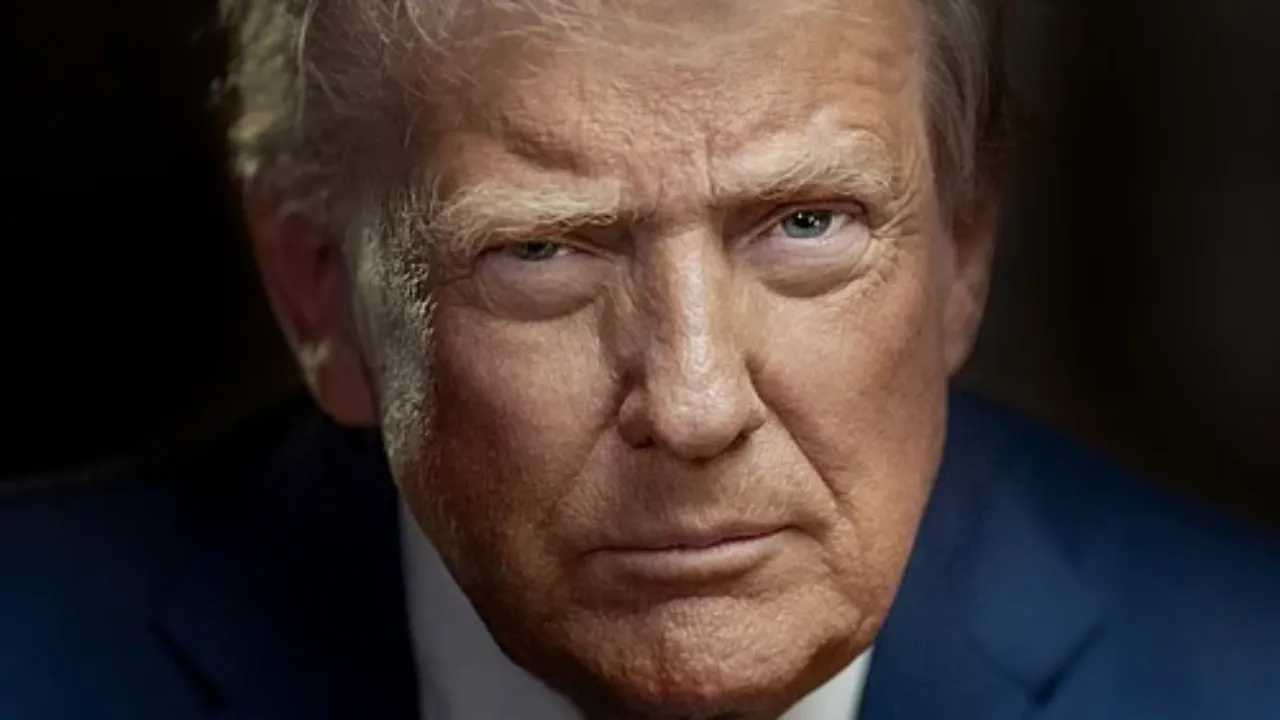
President Donald Trump expressed uncertainty regarding the treaty during the G7 conference in Evian-les-Bains, France, on June 16. He told reporters he would “rather leave it unsigned” or have it “terminated,” though he noted he “may sign it.”
Mexico and the U.S. have already scheduled a third round of negotiations for late July. In contrast, Canada and the U.S. have not yet started formal negotiations, according to the provided report.
Why will the USMCA not be extended on July 1?
The failure to reach an agreement by the July 1 deadline stems from late starts and low priority in Washington. The Office of the United States Trade Representative (USTR) spent 2025 establishing global tariffs and spent early this year rebuilding tariff walls following a January U.S. Supreme Court decision.

The treaty will not disappear on July 1. It was designed to remain in force for a decade, moving into a period of annual reviews. Any party can withdraw from the treaty with six months’ notice.
What are the U.S. trade demands for Canada and Mexico?
U.S. demands are divided into two categories. First, Washington wants resolution of bilateral complaints listed in the March National Trade Estimate Report on Foreign Trade Barriers.
For Canada, these include dairy quota allocations, provincial bans on U.S. liquor, and online streaming regulations. Mexico faces demands regarding intellectual property rules, agriculture, and energy investment restrictions.
The second category involves continental rules to restrict imports from outside the bloc, specifically China. The USTR has told Mexico it wants to increase the North American content requirement for automobiles from 75% to 82% and require that 50% of a vehicle consist of U.S. parts.
How do negotiations differ for Canada and Mexico?
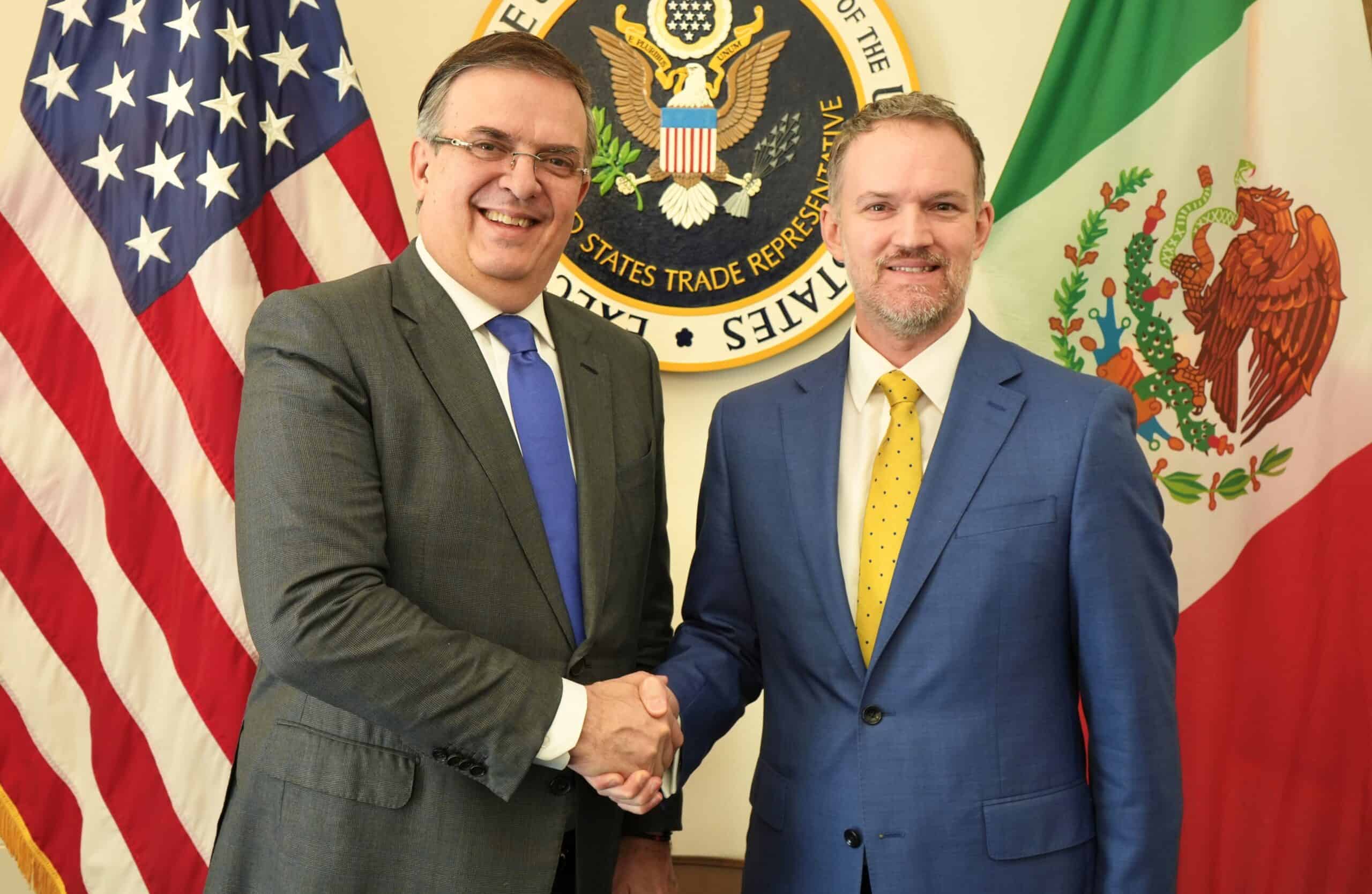
Mexico’s negotiations are more advanced than Canada’s. Mexican Secretary of the Economy Marcelo Ebrard stated that President Trump has given no indication of an intent to withdraw from the treaty outright.
Canada’s trade team—led by Minister Dominic LeBlanc, chief negotiator Janice Charette, and ambassador Mark Wiseman—is focused on relief from Section 232 sectoral tariffs. These tariffs currently affect lumber, industrial metals, and autos.
Ambassador Wiseman stated at a Toronto event that some “irritants” are “very hard to manage,” though he believes a “mutuality of interest” will eventually lead to a resolution.
What happens next for North American trade?
The U.S. is expected to roll out Section 301 global tariffs on July 24 to replace temporary measures. While the USTR says these will maintain the USMCA carve-out, analysts suggest the exemption could be used as leverage.
Some optimistic observers believe deals could be struck before the Nov. 3 midterm elections to provide the President with political wins. However, professor Timothy Meyer of Duke University suggested Canada and Mexico might prefer to delay renewal until 2029 to secure better terms.
Minister LeBlanc expects the final result to be bilateral arrangements “adjacent to the trilateral framework,” which would be easier to undo if a future U.S. president is more amenable to free trade.
Frequently Asked Questions
Does the USMCA expire on July 1?
No. The treaty remains in force for a decade and enters a period of annual reviews if no extension is signed.
What specific auto requirements is the U.S. seeking?
The USTR wants to raise North American content requirements from 75% to 82% and ensure 50% of a vehicle is made of U.S. parts.
What are the primary trade concerns for Canada?
Canada is primarily seeking relief from Section 232 sectoral tariffs on autos, lumber, and industrial metals.
Do you think bilateral deals are more effective than trilateral agreements for North American trade?