

USPS to Require Voter-Level Data for Federal Mail-In Ballots
The U.S. Postal Service has proposed new regulations that would mandate states provide detailed voter-level data for mail-in ballots used in federal elections. The proposal comes immediately after a federal judge declined to block an executive order issued by President Donald Trump to tighten mail-in voting rules.
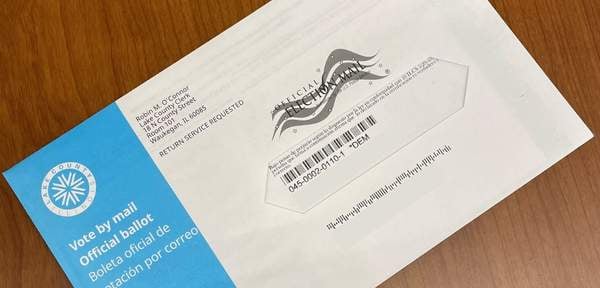
Under the proposed rules, states would be required to submit the names and addresses of voters receiving absentee or mail-in ballots to the Postal Service. This data must be accompanied by unique barcodes linked to both the outbound and return ballot envelopes.
Operational Shift in Ballot Processing
The proposal marks a significant transition for the USPS, moving the agency from recommending ballot-mail practices to mandating them for federal elections. The new requirements include the use of official logos and tracking barcodes, alongside a reporting system that links individual voters to specific envelopes.

To manage this data, the USPS intends to create state-specific “Mail-In and Absentee Participation Lists” through a newly developed Federal Ballot Mail Portal. This system would allow officials to compare the number of ballots mailed against those returned to identify potential issues for further investigation.
Legal and Constitutional Implications
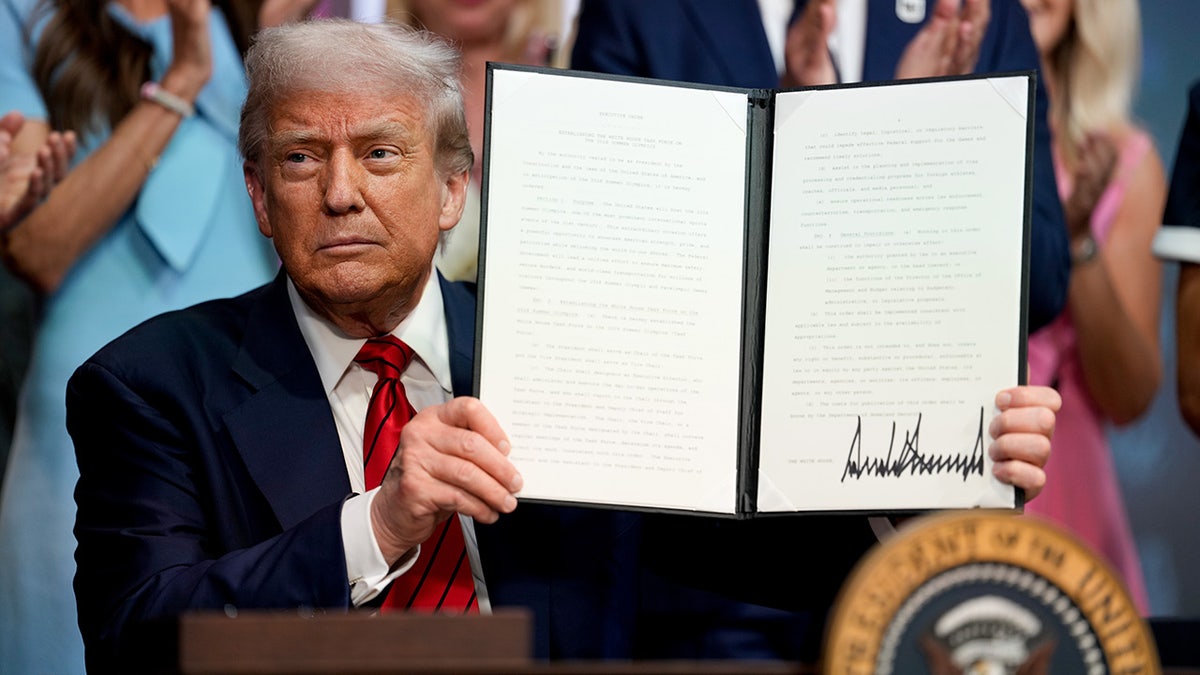
The USPS proposal follows a March 31 executive order from President Trump directing the agency to begin rulemaking on absentee ballot services. While the USPS would oversee the mailing standards, the agency noted that states would maintain control over who is eligible to vote by mail, as the Constitution designates states to oversee most election-related functions.
The administration has defended these steps as election-integrity measures. White House spokesperson Abigail Jackson stated, “The entire Trump Administration will continue lawfully enacting the agenda President Trump was elected to enact – which includes the safety and security of American elections.”
Opposition and Future Challenges
The move has faced sharp criticism from Democrats and voting rights organizations, who argue the order intrudes upon state authority and could hinder mail-in voting. Senate Minority Leader Chuck Schumer, D-NY, described the rule as a “malicious attempt by the Trump administration to suppress the votes of millions and try to throw the election results.”
Because a federal judge found a recent challenge to be premature—as agencies had not yet implemented the order—legal experts suggest that Democrats may challenge the policy again as the administration takes further steps toward implementation.
Next Steps in the Rulemaking Process
The proposed rule is scheduled for publication in the Federal Register on June 2. Following this publication, there will be a 30-day window for public comments.
Depending on the outcome of the comment period and potential further legal challenges, the USPS may move to finalize these mandates, which would allow the agency to return any federal ballot mailings that fail to meet the new reporting and barcode standards.
Frequently Asked Questions
What specific data must states provide under the new proposal?
States would be required to submit the names and addresses of voters receiving mail-in or absentee ballots, as well as unique barcodes tied to each voter’s outbound and return envelopes.
Can the USPS reject ballot mailings?
Yes, the proposal would allow the USPS to return outbound federal ballot mailings that are not tied to state-submitted voter lists or do not meet the new standards.
Who determines which voters are eligible to vote by mail?
States would still control voter eligibility, as the Constitution designates states to oversee most election-related functions.
Do you believe federal mandates for ballot tracking improve election security or overstep state authority?