
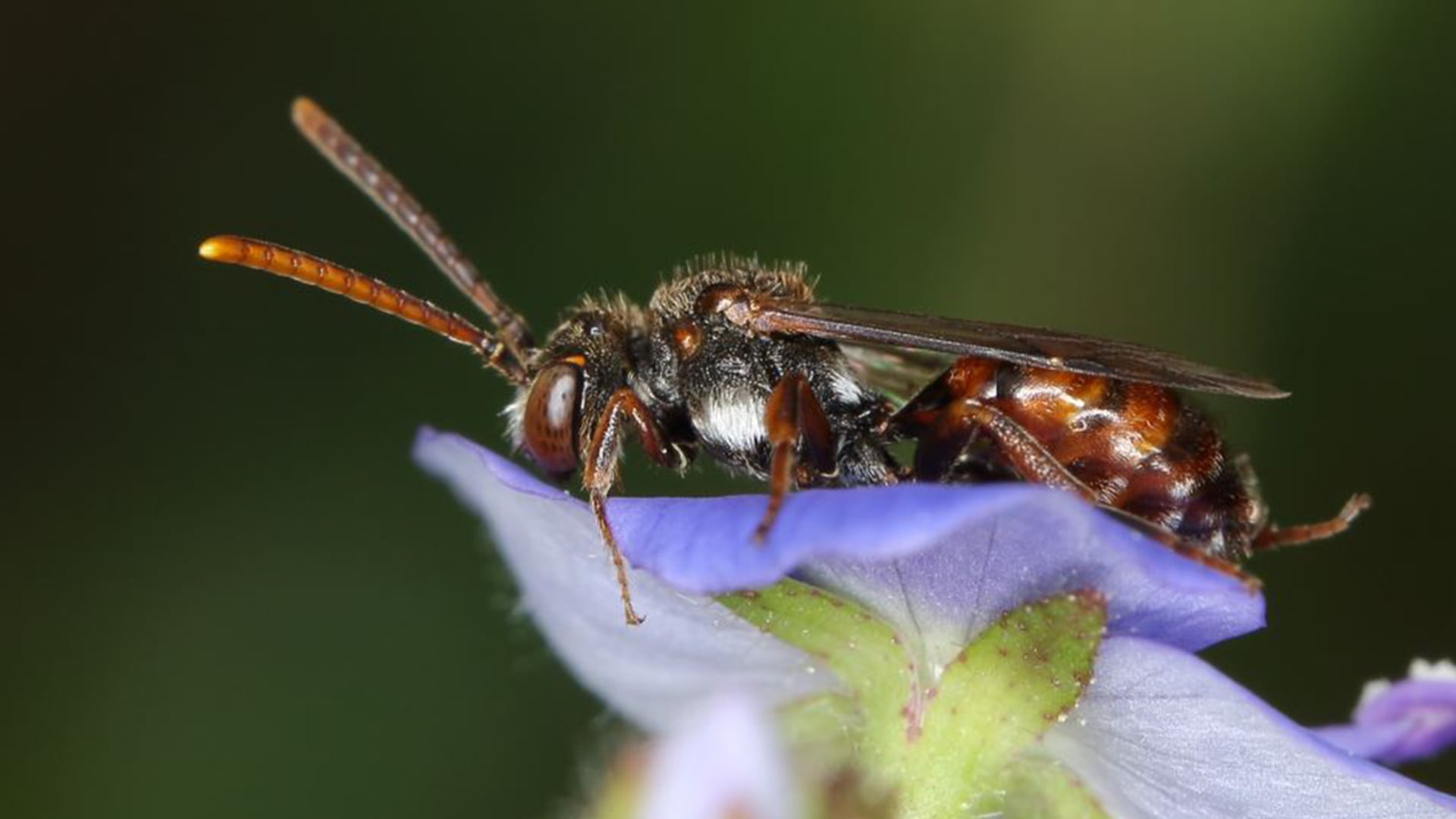
Utrecht Forts: A Haven for Rare Dutch Bee Species
A two-year survey of 16 forts in Utrecht identified 134 bee species, including the rare green sand bee and the mallow dwarf wasp bee. According to ecologist Wouke Willemijn van Hees of Landschaperfgoed Utrecht, these fortifications act as “mini South Limburgs,” hosting roughly one-third of the 370 bee species found across the Netherlands.
Why are Utrecht’s forts attracting rare bee species?
The forts function as unique biotopes because they offer a high variety of gradients and landscapes. Wouke Willemijn van Hees attributes this biodiversity to the presence of hay meadows, waterfronts, varying elevations, and sheltered areas that retain heat.
These conditions, combined with rich floral vegetation, create a sanctuary for pollinators. Van Hees describes the sites as “nurseries” for bees, providing the specific environmental triggers needed for breeding and survival that are often missing in the surrounding Dutch landscape.
Which rare bees were discovered in the Utrecht fortifications?
Researchers found species that typically only reside in the southern province of South Limburg. The most notable discovery was the green sand bee and its parasite, the mallow dwarf wasp bee.
The presence of these insects suggests that the Utrecht forts are bridging a geographical gap. By mimicking the warmer, more varied terrain of the south, these sites allow species to establish populations far outside their traditional ranges.
How does this discovery change future conservation strategies?
The discovery highlights the importance of the “pearl necklace” of forts along the Waterlinie. Because these sites are interconnected across the province, they provide a critical corridor for insect migration and genetic exchange.
Landschaperfgoed Utrecht indicates that this data necessitates a shift in how these defense works are managed. To prevent the decline of Dutch bee populations, these forts must be protected and managed specifically as ecological hubs rather than just historical monuments.
Comparing the Utrecht Forts to General Dutch Habitats
Most Dutch landscapes are characterized by intensive agriculture or urban development, which often lack the “gradients” (changes in height, moisture, and heat) found in the forts. While general bee populations in the Netherlands are struggling, the forts provide a contrast: a stable, diverse environment where rare species don’t just survive, but thrive.
Frequently Asked Questions
What makes a fort a good “biotope” for bees?
According to Wouke Willemijn van Hees, the combination of warmth, shelter, water edges, and diverse plant life creates a variety of micro-climates that suit different species.
How many bee species are there in the Netherlands?
There are 370 known bee species in the Netherlands, 134 of which were found within the 16 studied forts.
Why is the “pearl necklace” layout important?
The linear distribution of the forts allows bees to move from one safe haven to another, effectively creating a biological highway across the province of Utrecht.
Want to help protect local pollinators? Share your thoughts on how we can balance historical preservation with nature conservation in the comments below, or subscribe to our newsletter for more ecological updates.