

Valve reveals single-channel DDR5 memory across all Steam Machine models
Valve’s Steam Machine ships with a single 16GB DDR5 memory module instead of the planned dual-channel 2x8GB setup, according to Digital Foundry and Gamers Nexus. This hardware shift stems from a global DRAM shortage fueled by AI datacenter expansion, which forced Valve to adapt its configuration to maintain production schedules.
Why does the Steam Machine use single-channel memory?
Valve engineers revealed in an interview with Gamers Nexus that the system was originally designed for two 8GB DDR5 modules. However, memory manufacturers shifted production toward higher-capacity modules to secure better margins during the ongoing DRAM shortage. This shift made sourcing 8GB modules increasingly difficult by the time Valve ramped up production.
Because of these supply chain constraints, every Steam Machine currently leaves the factory with one 16GB stick. While the motherboard supports dual-channel memory, the out-of-the-box experience is limited to single-channel mode. Valve stated it has no current plans for alternative configurations, though future batches may change if the supply chain stabilizes.
How does single-channel RAM affect gaming performance?
Single-channel memory provides lower bandwidth than dual-channel configurations, which can bottleneck the CPU in specific workloads. Valve engineer Yazan Aldehayyat told Gamers Nexus that the performance difference between a single 16GB stick and a 2x8GB dual-channel setup is “pretty comparable” for the Steam Machine’s target use case.
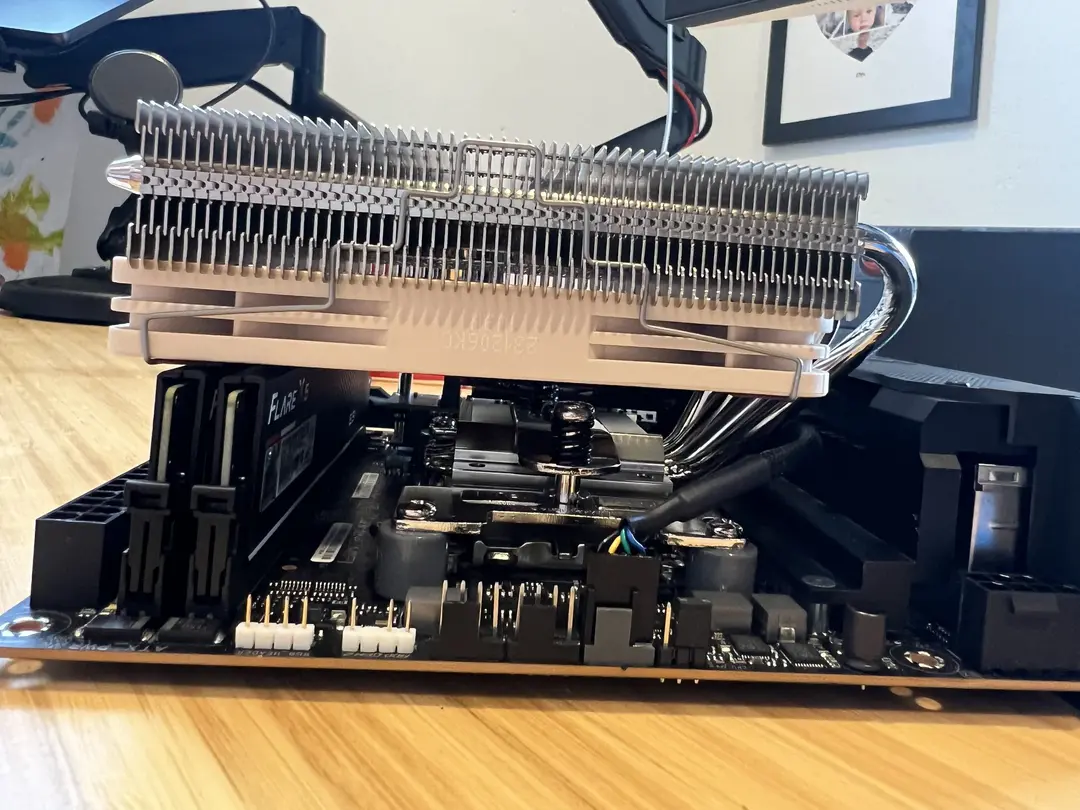
The actual impact depends on the game. Titles limited by GPU power won’t see a noticeable difference. However, CPU-intensive games or applications that require high memory throughput may see a performance dip. This creates a contrast between Valve’s “comparable” assessment and the general industry standard that dual-channel memory is superior for system responsiveness.
Can you upgrade the Steam Machine’s hardware?
Yes. Valve designed the Steam Machine to be upgradeable. Users can install a second memory module to enable dual-channel operation and increase the total RAM capacity. According to Valve, the system also supports larger M.2 SSD upgrades for users needing more storage space.
How is the AI industry impacting consumer gaming hardware?
The Steam Machine’s memory configuration is a direct result of the AI industry’s hunger for NAND and DRAM. As datacenters expand to support large language models, the cost of memory has risen, making the Steam Machine more expensive than initial market expectations.

This trend mirrors previous hardware crises where enterprise demand squeezed consumer availability. In this case, the “AI tax” manifests as a compromise in hardware architecture—switching from a balanced dual-channel setup to a single-module configuration to keep the product on shelves.
Frequently Asked Questions
What RAM does the Steam Machine use?
It uses DDR5 memory, currently shipping with a single 16GB module.
Will adding more RAM make games run faster?
It can improve memory bandwidth and system responsiveness. However, games limited by the GPU will not see significant gains.
Is the Steam Machine SSD upgradeable?
Yes, Valve has confirmed support for larger M.2 SSD upgrades.
Why didn’t Valve just use 2x8GB sticks?
According to Valve engineers, 8GB modules became too difficult to source because manufacturers prioritized higher-capacity modules for better profit margins.
Want to stay updated on the latest hardware shifts? Explore our dedicated hardware coverage for more analysis on gaming handhelds and PC components.
Do you plan on upgrading your Steam Machine’s RAM, or is 16GB enough for your library? Let us know in the comments below.