
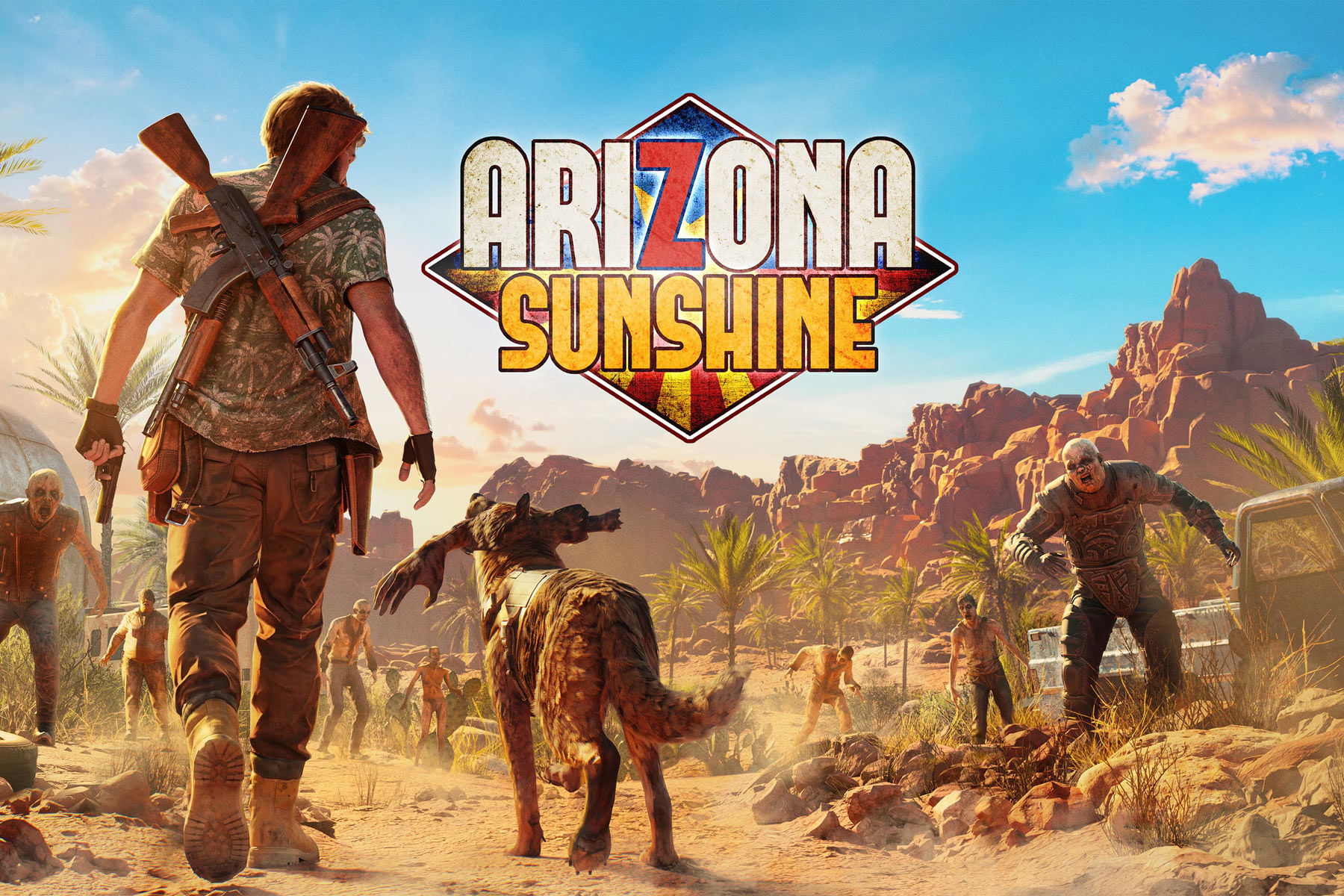
Vertigo Games Announces Flatscreen Entry in Acclaimed ‘Arizona Sunshine’ VR Franchise
Vertigo Games is shifting the Arizona Sunshine franchise from an exclusive VR experience to a reimagined flatscreen title for consoles and PC. This move signals a broader industry trend where developers are porting successful virtual reality intellectual properties to traditional displays to survive a contraction in XR funding and reach a wider, non-VR audience.
Why are VR developers moving to flatscreen gaming?
Developers are pivoting to flatscreen versions of their VR hits to hedge against the volatility of the virtual reality market. According to reports from Road to VR, the recent restructuring at Meta’s Reality Labs—which included cutting funding for third-party VR projects and closing internal studios—has forced many developers to rethink their distribution strategies. By adapting titles like Arizona Sunshine and Polyarc’s Moss for traditional monitors and TVs, studios can leverage established fanbases without relying solely on the smaller, hardware-dependent VR install base.
Vertigo Games, founded in 2008, actually began as a developer of flatscreen adventure games. Their move to bring Arizona Sunshine to flat displays is a return to their roots rather than a complete departure from their history.
What changes when a VR game becomes a flatscreen title?
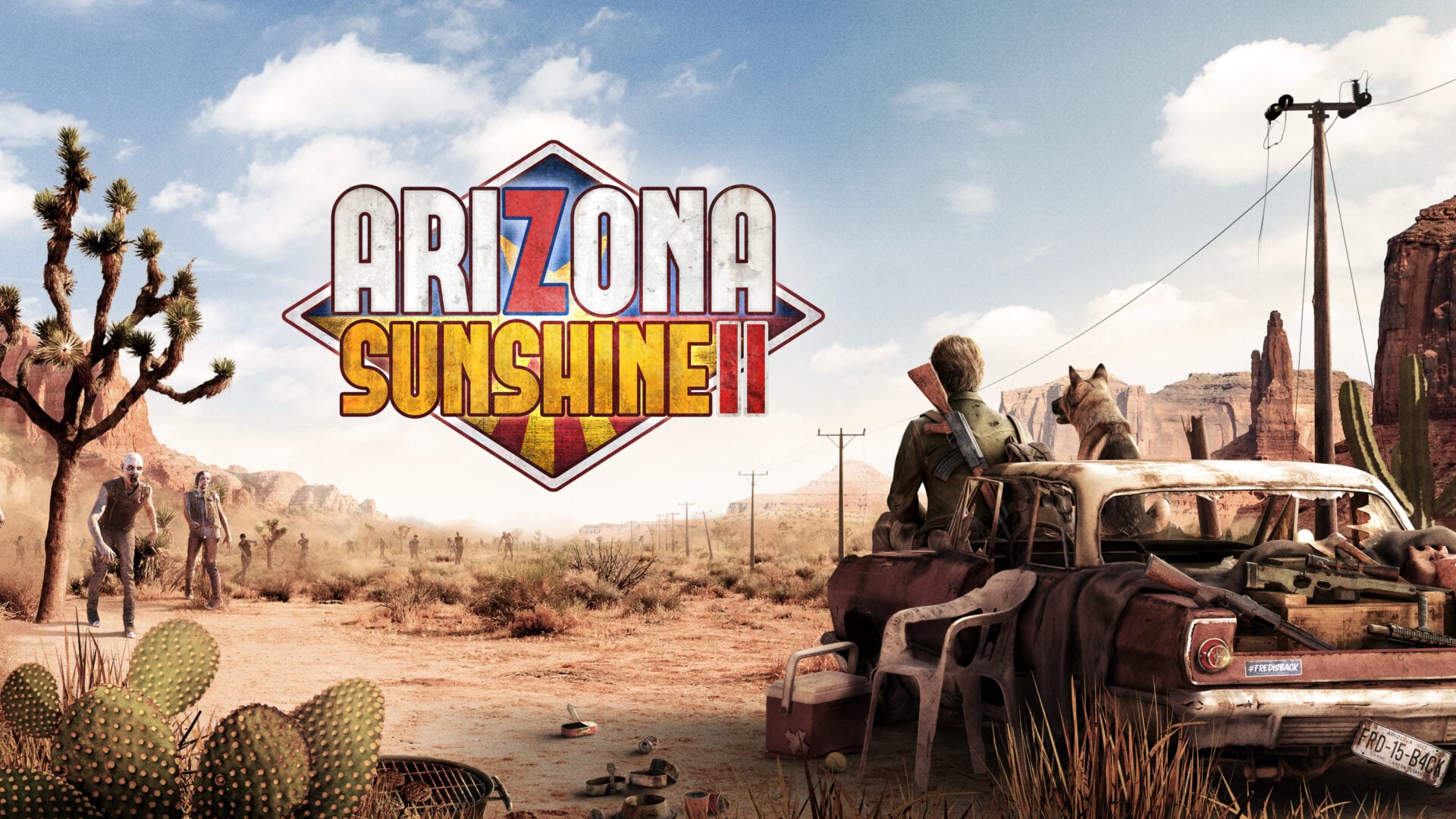
Adapting a VR title for a flat display requires more than just removing the headset requirement; it demands a total redesign of gameplay mechanics. The upcoming Arizona Sunshine flatscreen game shifts from the slow, methodical pace of the original 2016 VR release to a third-person action experience. Vertigo Games is incorporating elements from Arizona Sunshine 2, specifically focusing on high-octane combat with larger hordes and a variety of heavy weaponry like flamethrowers and grenade launchers. Players will also have the option to control the canine companion, Buddy, directly in co-op mode, creating a spectacle-driven experience that plays to the strengths of a standard controller.

How does the current market landscape affect studio survival?
The decision to expand to flatscreen is often a direct response to financial pressures. Recent industry developments, such as the closure of the Amsterdam-based studio responsible for Metro Awakening VR, highlight the risks inherent in exclusive VR development. When funding streams dry up—as seen with Meta’s pivot away from certain third-party partnerships—studios must diversify their revenue. By targeting platforms like PS5, Xbox, and the upcoming Switch 2, developers ensure their projects have a longer shelf life and a more accessible path to profitability.
If you’re a fan of VR titles, keep an eye on how studios handle “reimagining” rather than “porting.” A port often feels sluggish on a TV, while a reimagining—like what Vertigo Games is doing—usually results in a more polished, native-feeling experience.
Frequently Asked Questions
Is the new Arizona Sunshine a simple port of the VR game?
No. Vertigo Games has confirmed this is a “reimagined” third-person action game that uses the story and combat style of Arizona Sunshine 2, rather than a direct copy of the original 2016 VR experience.
Which platforms will the new flatscreen version support?
The title is slated for release on PS5, Xbox, the upcoming Switch 2, and PC.
Can I play the new game in co-op?
Yes, the game will feature co-op gameplay, allowing one player to take on the role of Buddy, the canine companion.
Why are studios closing VR-focused divisions?
Recent shifts in the industry, including Meta’s reduction in funding for third-party XR projects and internal studio closures, have led to a more cautious approach to exclusive VR development.
Are you excited to see your favorite VR titles make the jump to your TV screen, or do you prefer the immersion of a headset? Let us know your thoughts in the comments below, or subscribe to our newsletter for the latest updates on the future of gaming technology.