

Via Africa Submarine Cable Project to Enhance Europe-Africa Connectivity
A consortium including Orange Group, Sonatel, and Canalink has signed a Memorandum of Understanding (MoU) to develop the Via Africa submarine cable, a new subsea system linking Europe to South Africa. The project aims to bolster digital network resilience and capacity across the Atlantic corridor by establishing landing points in the United Kingdom, France, Portugal, the Canary Islands, Mauritania, Senegal, Guinea, Côte d’Ivoire, and Nigeria.
Why is the Via Africa cable project necessary for regional connectivity?
The Via Africa system provides a strategic alternative to existing subsea infrastructure, addressing the rising demand for data traffic between Europe and Africa. According to the Orange Group, the project is designed to improve network redundancy, preventing total service outages if a single cable line experiences a fault. By creating a new digital corridor, the consortium intends to provide more stable connectivity for businesses and consumers who rely on high-speed internet for cloud services, international trade, and digital transformation.
How does the consortium model influence infrastructure development?
The Via Africa project utilizes a consortium-based governance model, which allows multiple telecom and digital infrastructure partners to share the financial and operational burden of a subsea build. As stated by Orange Group, this structure enables co-investors to participate directly in decisions regarding system design, deployment timelines, and long-term maintenance. By pooling resources from entities such as GUILAB, International Mauritania Telecom, and Silverlinks, the project reduces the individual capital risk for each participant while ensuring the final cable route aligns with regional connectivity requirements.
What are the next steps for the Via Africa system?
Consortium members are currently transitioning into the initial phase of the project, which focuses on technical feasibility and procurement. According to the partners, the immediate priority is funding a comprehensive cable route study to identify the most efficient and resilient path for the system. Once the survey is complete, the group will launch a formal procurement process to select a cable supplier. Future phases will remain open to additional partners, providing an opportunity for other regional players to join the investment group as the project matures.
Comparison: Modern Cable Development vs. Legacy Systems
| Feature | Legacy Systems | Via Africa Model |
|---|---|---|
| Investment | Single-owner/Private | Consortium-funded |
| Governance | Centralized | Shared/Collaborative |
Frequently Asked Questions
What is the primary purpose of the Via Africa cable?
The project aims to increase digital capacity and network resilience between Europe and Africa by providing an alternative, redundant subsea route.
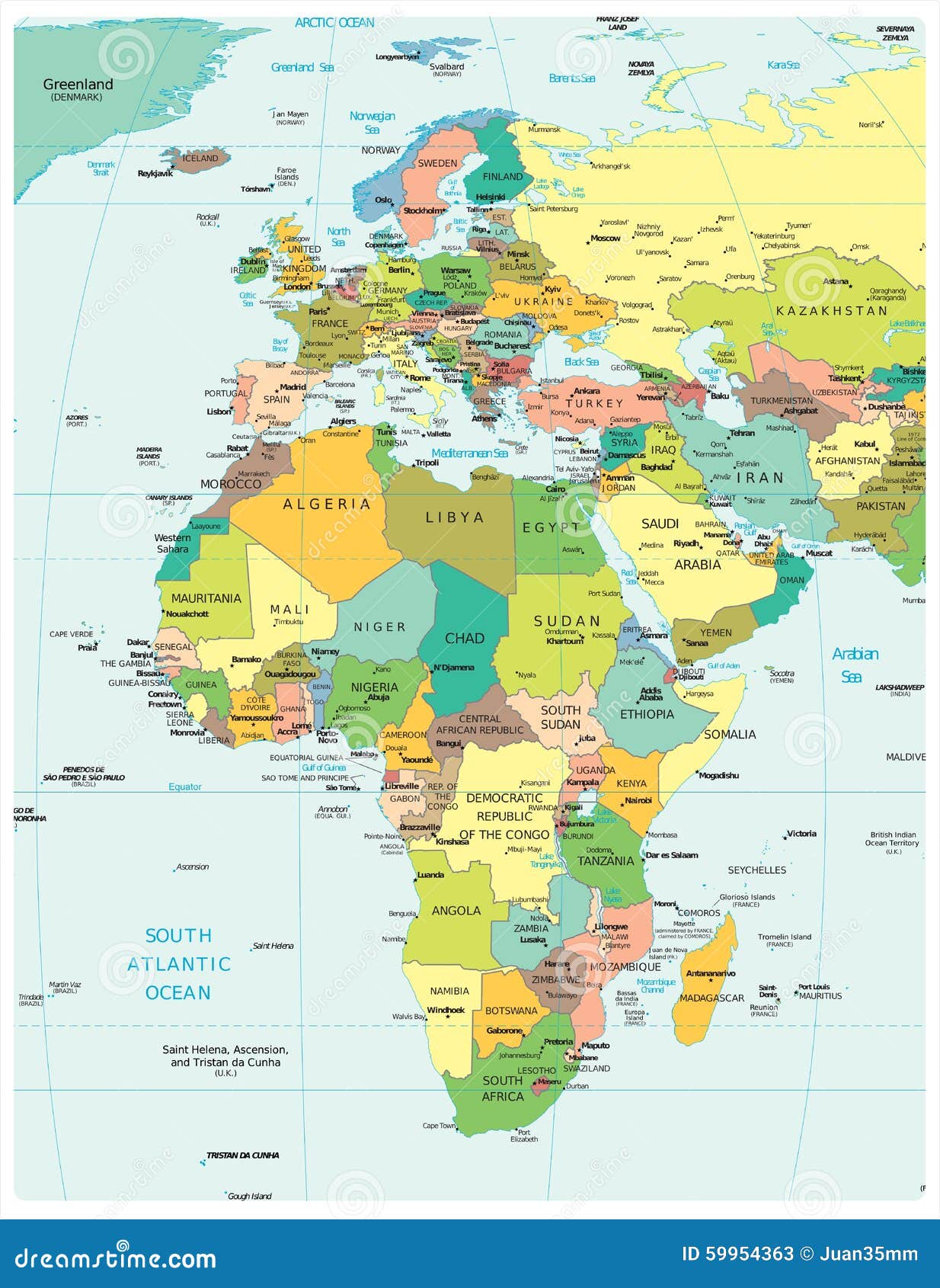
Which countries will the cable connect?
Landing points are planned for the United Kingdom, France, Portugal, the Canary Islands, Mauritania, Senegal, Guinea, Côte d’Ivoire, Nigeria, and South Africa.
Can other companies join the consortium?
Yes, the consortium has confirmed that the project is open to additional partners joining in future phases.
Are you interested in the growth of African digital infrastructure? Subscribe to our newsletter for the latest updates on subsea cable projects and regional tech developments.