
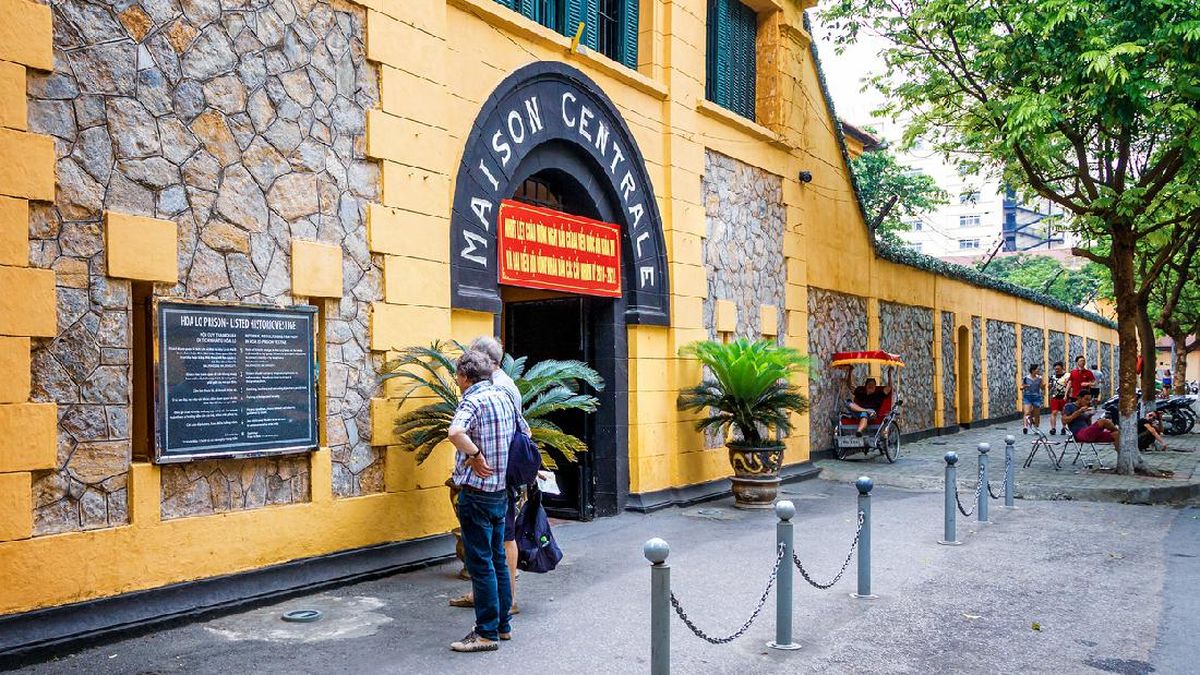
Vietnam to Release Nearly 10,000 Prisoners to Mark Parliamentary Elections
The Strategic Art of Political Amnesty: More Than Just Mercy
When a nation announces the release of thousands of prisoners to coincide with a political milestone, it is rarely just about humanitarianism. In the world of geopolitical signaling, mass amnesties serve as a powerful tool for governments to project an image of stability, benevolence, and renewed legitimacy.
This practice is particularly prevalent in one-party states, where the judicial system often functions as an extension of political will. By clearing prison cells during parliamentary elections or party congresses, a regime can effectively “reset” the public narrative, shifting the focus from incarceration and control to forgiveness and national unity.
Diplomatic Chess: The Role of Foreign Nationals
The inclusion of foreign citizens in these amnesty waves is seldom accidental. Releasing foreign prisoners is a calculated move in the realm of “soft power.” It acts as a diplomatic olive branch, easing tensions with the home countries of the released individuals and improving the nation’s international standing.

For example, when a country releases a handful of foreign nationals alongside thousands of its own citizens, it signals to the global community that it is “open for business” and capable of rational negotiation. This is often a precursor to seeking new trade agreements or improving foreign direct investment (FDI) climates.
Industry experts note that this “judicial diplomacy” is a recurring trend in Southeast Asia and Central Asia, where legal frameworks are often opaque, and the release of a foreign national can be leveraged for significant geopolitical concessions.
The Balancing Act: Security vs. Stability
While mass releases look generous on paper, the “fine print” reveals where the true boundaries of power lie. Most political amnesties come with strict exclusions—typically those accused of “terrorism” or “attempting to overthrow the government.”
This creates a clear dichotomy in the judicial system:
- The “Forgivable” Offender: Those whose crimes were opportunistic or non-threatening to the state.
- The “Ineligible” Dissident: Those who challenged the ideological foundation of the ruling party.
By maintaining this distinction, the state achieves two goals simultaneously: it demonstrates mercy to the masses while sending a chilling reminder to political activists that challenging the regime remains a “red line” that no amount of amnesty can erase.
Future Trends: The Evolution of Judicial Signaling
Looking ahead, People can expect the nature of political amnesties to evolve. As global transparency increases due to digital connectivity, governments will likely move toward more “performative” justice.
1. The Rise of “Digital Clemency”
We may see a trend where amnesties are paired with digital surveillance agreements. Prisoners might be released on the condition that they adhere to strict social media monitoring, turning “freedom” into a form of remote supervision.
2. Strategic Economic Releases
As global supply chains shift, countries may use targeted amnesties for white-collar criminals or business leaders to quickly refill the ranks of their entrepreneurial class during economic pivots.
3. Climate-Driven Judicial Shifts
In some regions, we might see the emergence of “environmental amnesties,” where prisoners are released to participate in state-mandated ecological restoration projects, blending penal reform with climate goals.
For a deeper dive into how legal systems impact regional stability, you might find our analysis on regional stability trends insightful. You can also explore the Amnesty International reports for a broader perspective on global prisoner rights.
Frequently Asked Questions
What is a political amnesty?
A political amnesty is an official pardon granted by a government, typically to a large group of people, often to mark a political event or to foster national reconciliation.
Why are foreign nationals included in these releases?
It serves as a diplomatic tool to improve international relations, reduce bilateral tension, and project a more humane image to the global community.
Does amnesty mean the prisoners are innocent?
Not necessarily. Amnesty is a gesture of clemency or forgiveness, not a legal declaration of innocence. It focuses on the act of releasing the individual rather than overturning the original verdict.
Join the Conversation
Do you think mass amnesties are a genuine tool for reform or simply a political facade? We want to hear your perspective.
Share your thoughts in the comments below or subscribe to our newsletter for more deep dives into global politics.