
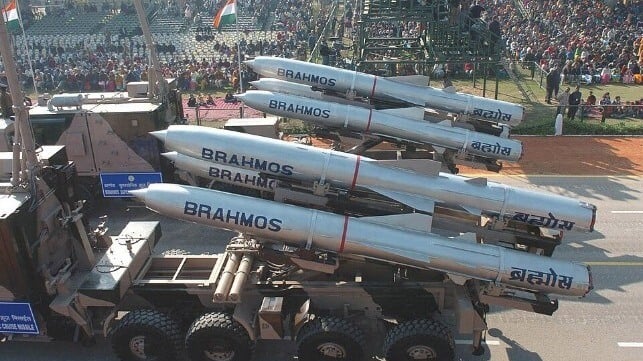
Vietnam Tools Up with Anti-Ship Cruise Missiles
The Supersonic Shift: How India’s BrahMos is Redrawing the South China Sea Security Map
For decades, the security architecture of Southeast Asia relied on a delicate balance of superpower patronage and diplomatic caution. However, a new variable has entered the equation: the BrahMos supersonic cruise missile. With India transitioning from a defense importer to a strategic exporter, the sudden proliferation of these “fire-and-forget” weapons among ASEAN nations is doing more than just updating arsenals—it is fundamentally altering the calculus of maritime deterrence.
The recent confirmation of a multi-million dollar deal with Vietnam, following similar acquisitions by the Philippines and pending agreements with Indonesia, signals a shift toward a “BrahMos Bloc.” This trend suggests that Southeast Asian nations are no longer content with passive diplomacy; they are seeking asymmetric capabilities to counter territorial expansionism in the South China Sea.
Asymmetric Deterrence: The New A2/AD Strategy
In military terms, the deployment of BrahMos batteries represents a move toward Anti-Access/Area Denial (A2/AD). By placing these missiles on coastal batteries or mobile launchers on occupied islands, smaller nations can effectively create “no-go zones” for larger naval fleets.
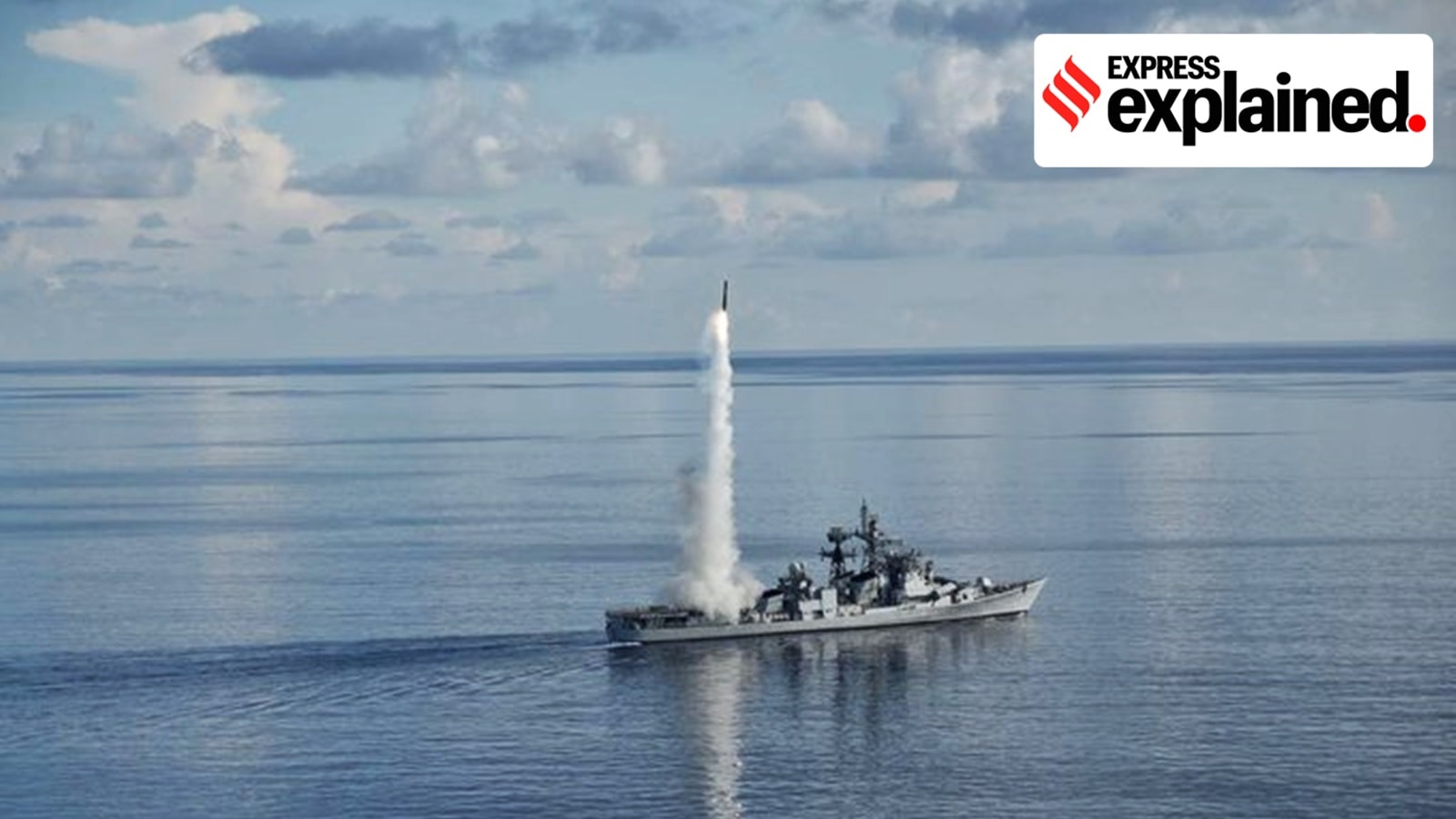
The strategic math is simple: while a smaller navy cannot match a superpower ship-for-ship, a network of supersonic missiles can make the cost of naval intrusion prohibitively high. For Vietnam and the Philippines, the 180-mile range of the BrahMos allows them to project power over disputed reefs and shoals without needing a massive carrier strike group.
The Disparity Gap and the Race for Parity
For years, there has been a stark contrast in how islands in the South China Sea are utilized. While some nations maintained minimal footprints, others have heavily militarized their holdings with air defense systems and runways. The trend now is a rapid closing of this “capability gap.”
As more ASEAN partners acquire high-end Indian tech, the region is moving away from a monopoly of force. This doesn’t necessarily guarantee peace, but it creates a “balance of terror” where the risk of losing high-value naval assets outweighs the potential gain of aggressive territorial seizures.
India’s Evolution into a Global Defense Hub
This export drive is a cornerstone of India’s broader ambition to move away from reliance on Russian and Western hardware. By domesticating the production of the BrahMos and securing the rights to export it, New Delhi is positioning itself as a “trusted partner” for the Global South.
What we have is a calculated move in defense diplomacy. When a country buys a missile system, they aren’t just buying hardware; they are buying decades of training, logistical support, and technical cooperation. By integrating its defense ecosystem with Vietnam, Indonesia, and potentially Malaysia and Thailand, India is weaving itself into the security fabric of Southeast Asia.
Future Trends: What to Expect Next
Looking ahead, the “BrahMos effect” will likely trigger several ripple effects across the Indo-Pacific:

- Diversification of Sourcing: ASEAN nations will continue to move away from “single-source” procurement, blending US, European, and Indian systems to avoid over-dependence on any one superpower.
- Joint Exercises: Expect an increase in joint missile tests and maritime drills, similar to the recent Japan-Philippines live-fire exercises.
- Increased Tension vs. Stability: While some argue that arming these islands is provocative, the prevailing trend suggests that “deterrence through strength” is the preferred strategy for nations facing territorial encroachment.
For more insights on maritime security, explore our analysis on the evolution of naval warfare in the 21st century or check out the latest reports from SIPRI on global arms transfers.
Frequently Asked Questions
What makes the BrahMos different from other cruise missiles?
Unlike most cruise missiles that are subsonic, the BrahMos is supersonic (Mach 3). This speed, combined with its “fire-and-forget” capability and low-altitude flight path, makes it one of the deadliest anti-ship missiles in existence.
Why is India selling these missiles to ASEAN nations?
It serves two purposes: economically, it establishes India as a defense manufacturing hub; strategically, it strengthens ties with partners who share common concerns regarding regional stability and maritime law.
Can the BrahMos hit land targets?
Yes. While primarily designed as an anti-ship missile, the BrahMos is versatile and can be configured to strike land-based targets with high precision.
What do you think? Does the proliferation of supersonic missiles in the South China Sea increase the risk of conflict, or does it create a necessary deterrent that prevents war? Share your thoughts in the comments below or subscribe to our newsletter for weekly deep dives into global security.