
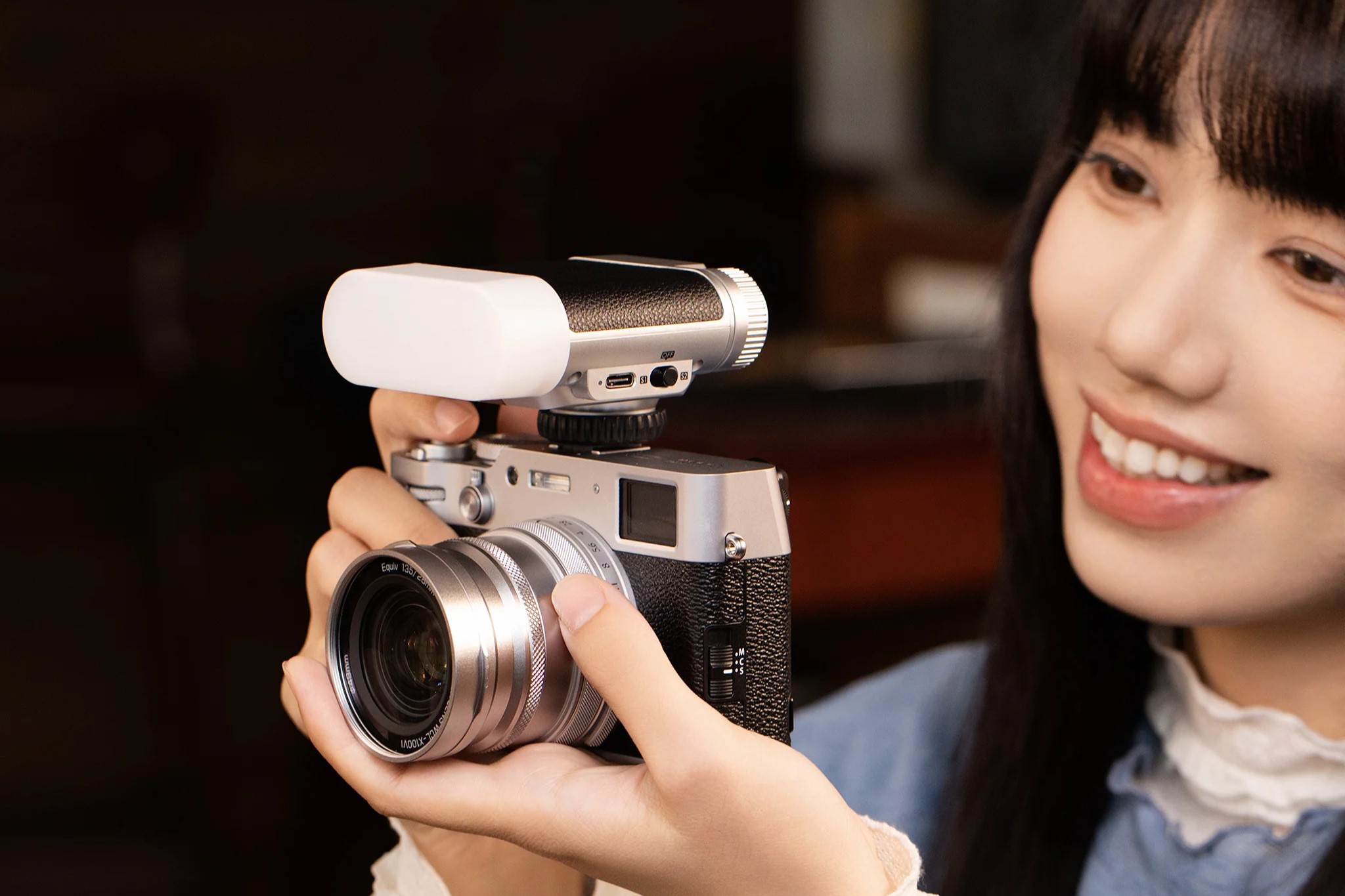
Viltrox Launches Vintage Z1 Pro Flash With TTL and High-Speed Sync
The Rise of “New-stalgia”: Why Retro Aesthetics are Dominating Modern Gear
Walk into any street photography hub today and you’ll notice a striking pattern. The sleek, futuristic curves of the 2010s are being replaced by knurled dials, leatherette grips, and matte silver finishes. This isn’t just a fashion statement; it’s a movement we call “New-stalgia.”
The success of cameras like the Fujifilm X100VI and the Nikon Zf has created a vacuum in the accessories market. Photographers no longer want a plastic, oversized flash that ruins the silhouette of a beautifully crafted retro body. They want gear that feels like a time machine but performs like a supercar.
We are seeing a broader trend where hardware manufacturers are decoupling “modern performance” from “modern aesthetics.” The goal is to evoke the tactile joy of the 1970s while maintaining the zero-failure reliability of 2024 technology.
The Marriage of Analog Soul and Digital Brains
For years, “retro” meant “limited.” If you wanted a vintage look, you often had to sacrifice features—meaning manual triggers and guesswork. The new wave of gear, exemplified by the latest Viltrox releases, is changing that narrative by integrating “invisible” tech.
Beyond the Look: The Integration of TTL and HSS
The real breakthrough is the normalization of TTL (Through-The-Lens) metering and High-Speed Sync (HSS) in compact, stylish form factors. TTL removes the mental math from lighting, allowing photographers to capture candid moments without pausing to adjust power levels.
HSS is the true game-changer for the modern “street” aesthetic. By allowing flash synchronization at speeds like 1/8000s, photographers can shoot wide open (f/1.8 or f/2) in broad daylight, achieving that creamy background blur while still filling in harsh shadows on a subject’s face.
This fusion allows a photographer to maintain the “vibe” of a 35mm film shoot while utilizing the precision of a digital studio.
The Shift Toward “Everyday Carry” (EDC) Lighting
We are witnessing a pivot away from the “everything-and-the-kitchen-sink” approach to gear. The trend is moving toward “pocketable professional” tools. The industry is realizing that a flash you actually carry is infinitely more useful than a powerful strobe that stays in your gear bag because it’s too bulky.
The shift toward 24Ws output and compact footprints suggests a future where lighting is treated like a lens—something you swap based on the mood of the day rather than a heavy piece of equipment for “special occasions.”
This “EDC” philosophy is also influencing the way we interact with gear. The addition of small, circular touchscreens on flashes is a prime example of maximizing utility within a minimal footprint, reducing the need to dive into the camera’s main menu.
The Sustainability of Power: USB-C and the End of AA Batteries
If there is one thing photographers universally dislike, it’s hunting for AA batteries in the middle of a shoot. The industry-wide migration toward integrated Li-ion batteries and USB-C charging is more than a convenience; it’s a fundamental shift in workflow.
By utilizing USB-C standardization, lighting manufacturers are allowing photographers to use the same power bank for their phone, laptop, and flash. This reduces electronic waste and ensures that “dead batteries” are no longer a valid excuse for a missed shot.
Looking forward, One can expect to see “fast-charging” capabilities enter the strobe market, where a 10-minute charge could provide enough power for several hundred full-power bursts.
Frequently Asked Questions
Q: What is the difference between TTL and Manual flash?
A: TTL (Through-The-Lens) automatically calculates the required flash power based on the camera’s light metre. Manual flash requires the photographer to set the power level (e.g., 1/1, 1/16) manually.
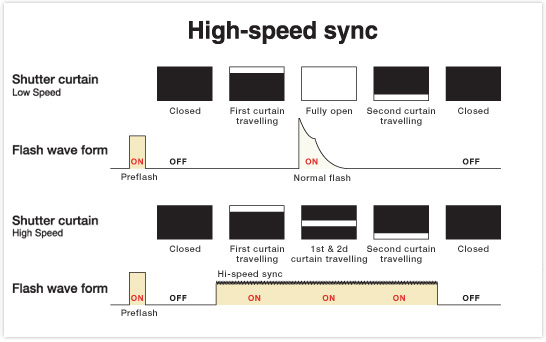
Q: Why is High-Speed Sync (HSS) important for outdoor photography?
A: Standard flashes are limited by the camera’s sync speed (usually 1/200s). HSS bypasses this, allowing you to use fast shutter speeds to freeze motion or create shallow depth-of-field in bright light.
Q: Will retro-style flashes work with modern mirrorless cameras?
A: Yes, provided they are designed for your specific brand (Sony, Canon, Nikon, Fujifilm). While they look old, they use modern electronic contacts to communicate with the camera.
What’s your gear philosophy?
Are you chasing the vintage aesthetic, or do you prefer the sleek look of modern tech? We want to hear about your kit setup!
Drop a comment below or share this article with your favorite photography group.