
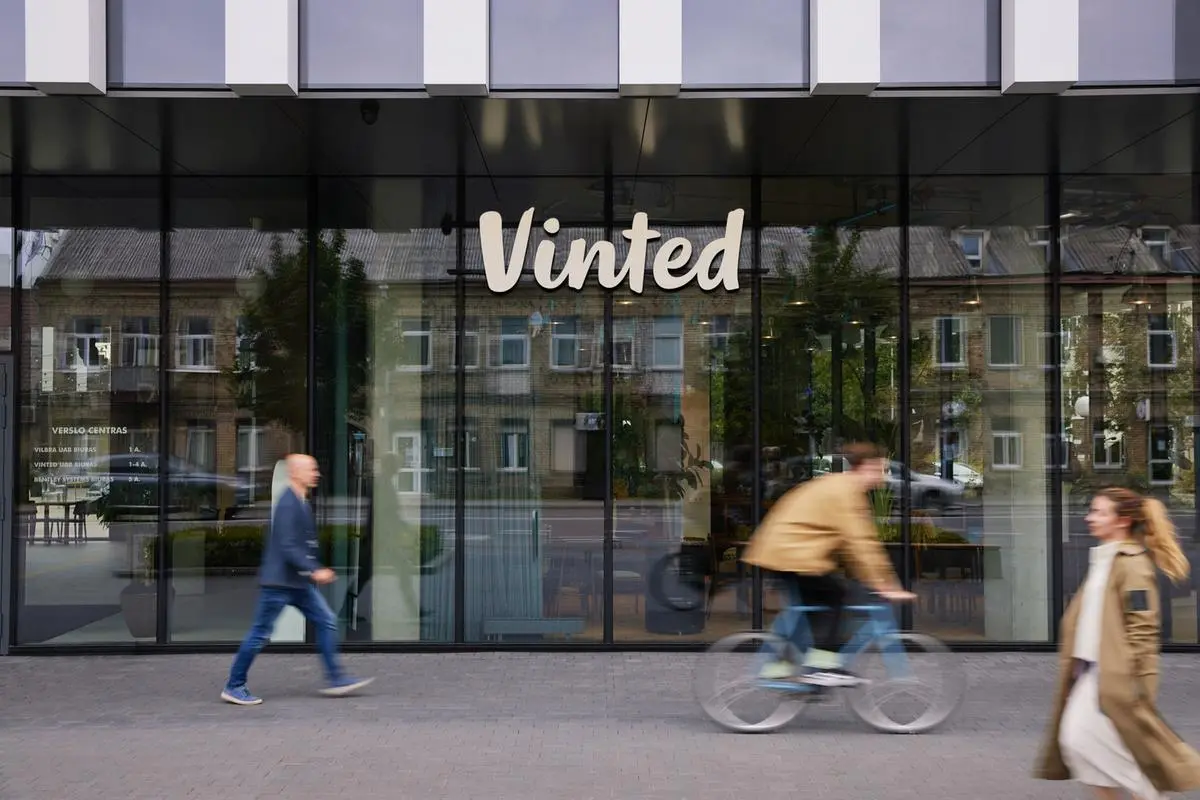
Vinted: Expanding Beyond Fashion into a Global Second-Hand Marketplace
Vinted expanded its marketplace beyond fashion into electronics, books, and collectibles, driving 2025 revenue to €1.1 billion, a 38% increase according to company data. The Lithuania-based platform is now scaling investments in the U.S. market, specifically New York City, while integrating proprietary logistics and payment systems to lower operational costs.
Why is Vinted expanding beyond fashion?
Vinted is transitioning from a clothing marketplace to a general second-hand hub for almost all consumer goods, excluding large appliances and furniture. The platform now includes categories for books, magazines, electronics, home accessories, and a specialized section for coins and banknotes.
CEO Adam Jay told CNBC that the company hesitated before this expansion. Jay noted that the team feared adding more categories would compromise the simplicity and ease of use that members value. However, the shift aims to capture a broader share of the circular economy.
How are Vinted’s 2025 financials reflecting this growth?
The strategy has significantly increased the volume of trade. In 2025, the gross merchandise value (GMV) reached €10.8 billion, representing a 47% jump from the previous year. Revenue grew by 38% to €1.1 billion.
Despite the top-line growth, the company’s bottom line dipped. Net profit decreased by 19% compared to 2024, suggesting higher spending on expansion and infrastructure. In April, a secondary share placement worth €880 million pushed the company’s valuation above €8 billion.
Financial Performance Comparison (2024 vs 2025)
- GMV: +47% increase (reaching €10.8 billion)
- Revenue: +38% increase (reaching €1.1 billion)
- Net Profit: -19% decrease
What is the environmental and economic impact of the platform?
Consumer behavior is shifting toward second-hand goods due to inflation and climate concerns. Marianne Gybels, Vinted’s senior director of sustainability, stated that users saved €21.6 billion in the adult clothing segment alone in 2025. These items were purchased at an average price 72% lower than the original retail cost.
The environmental data shows 1,607 kilotonnes of CO2 were avoided through these transactions. Adam Jay observed that consumers now frequently consider the potential resale value of a product before they buy it new.
How will Vinted tackle the U.S. market?
Vinted has operated in the U.S. since 2013 but accelerated investments in early 2026, focusing heavily on New York City. Research conducted by Vinted and Gwi found that 70% of New Yorkers aged 25 to 34 own at least three items of clothing that have never been worn and still have tags attached.

The U.S. expansion faces hurdles, primarily high shipping costs. CEO Adam Jay admitted the process will take “weeks, months or even years.” To combat this, Vinted is investing in Vinted Go, its proprietary logistics service, and Vinted Pay, its internal digital wallet launched in 2023.
The company is also strengthening its financial infrastructure. In March, the Financial Conduct Authority (FCA) in the UK granted Vinted a license to expand its financial services, giving the company more control over the end-to-end buyer and seller experience.
Frequently Asked Questions
Beyond clothes and accessories, you can sell books, electronics, home decor, and collectibles, including coins and banknotes.
While revenue and GMV grew significantly in 2025, net profit fell by 19% as the company invested in geographic and category expansion.
Vinted Go is the company’s own logistics and delivery service designed to reduce shipping costs and improve delivery efficiency.
Want to stay updated on the circular economy? Share your thoughts on second-hand shopping in the comments below or subscribe to our newsletter for more industry insights.