

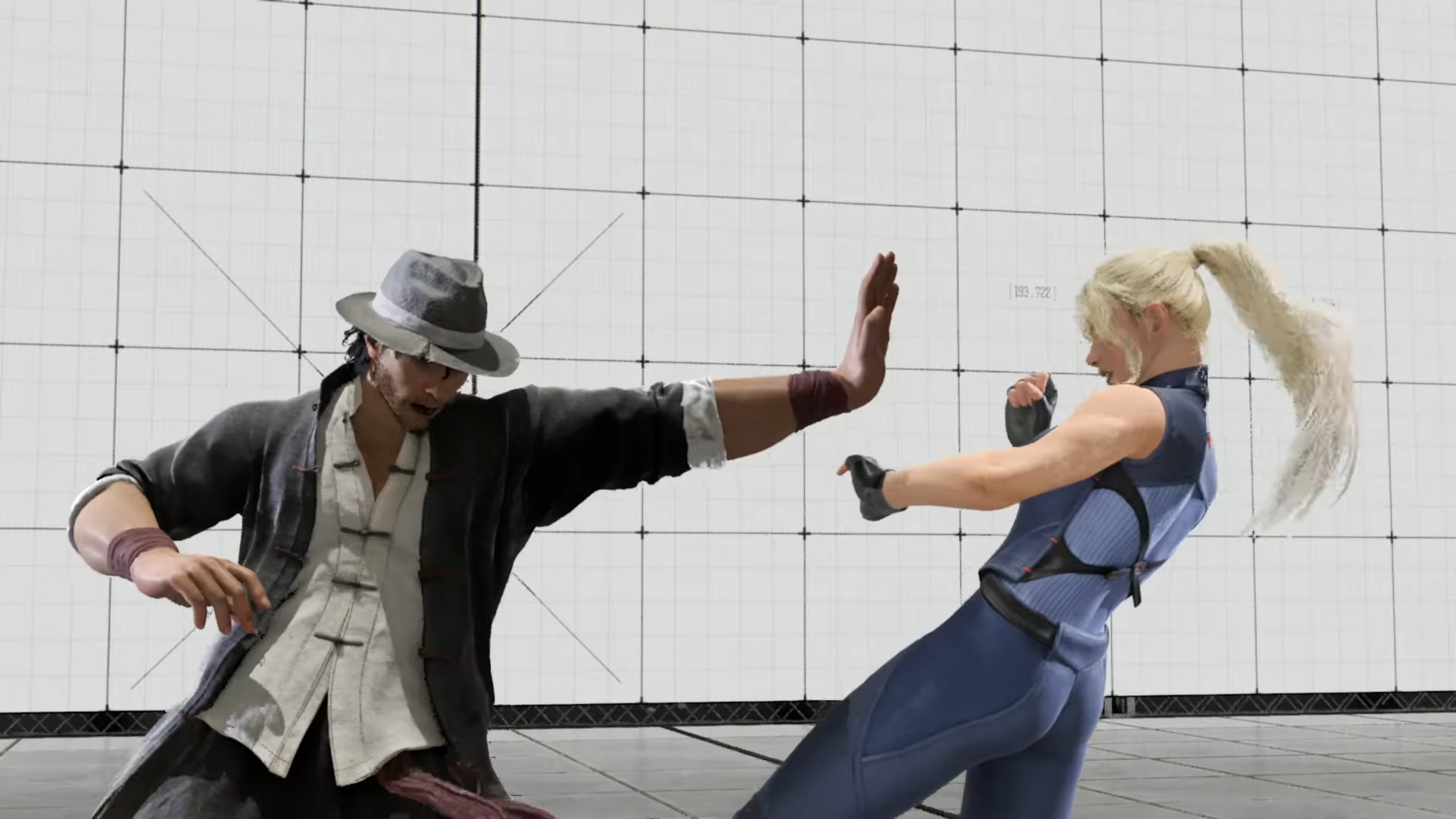
Virtua Fighter Crossroads’ Looks To Show A More Lived-In World
The Evolution of Fighting Games: Beyond the Arcade
For decades, the fighting game genre was defined by the “arcade ladder”—a series of disconnected bouts leading to a final boss. However, the announcement of Virtua Fighter Crossroads signals a tectonic shift. By moving toward a more cinematic, narrative-driven experience, Sega is tapping into a growing player demand for depth that extends far beyond the health bar.
This trend is not isolated to the Virtua Fighter franchise. We have seen titles like Street Fighter 6 and the Mortal Kombat reboot series successfully weave complex, character-focused campaigns into their core gameplay loops. The industry is moving away from purely mechanical mastery toward “lived-in” worlds where exploration, traversal, and storytelling are just as vital as frame data.
A New Standard for World Building
The appointment of David Hayter as World Building Supervisor for Virtua Fighter Crossroads is a masterstroke of industry synergy. Known for his legendary work on the Metal Gear Solid series and his screenwriting credits on X-Men, Hayter’s involvement suggests that Sega is serious about elevating the franchise’s lore.
By blending parkour-style movement with traditional combat, developers are creating a “genre-blend” experience. This approach keeps players engaged for longer sessions, as the game offers a respite from the high-intensity stress of competitive play through narrative discovery.
Why Narrative Matters in Competitive Gaming
Why move away from the “pure” arcade roots? The answer lies in player retention. Modern gamers, particularly those in the Gen Z and Alpha cohorts, expect high-production-value narratives that rival blockbuster films. When a game offers a compelling story, it provides a “hook” that keeps casual players invested even when they aren’t ready to compete at a tournament level.
Future Trends: What to Expect
As we look toward 2027 and beyond, expect to see the following trends solidify in the fighting game landscape:
- Open-World Hubs: Moving away from static menus toward navigable cities or training grounds.
- Cinematic Integration: Real-time cutscenes that transition seamlessly into gameplay, removing the disconnect between story and action.
- Cross-Disciplinary Talent: Studios are increasingly hiring film and television writers to craft more emotionally resonant character backstories.
Frequently Asked Questions
- Is Virtua Fighter Crossroads a reboot or a sequel?
- It’s the sixth main installment of the legendary Virtua Fighter series, aiming to modernize the franchise through enhanced narrative and world-building.
- Who is leading the story development?
- David Hayter is serving as the World Building Supervisor, working alongside Lead Writer Brad Kane and Scenario Director Tsuyoshi Furuta.
- Will the classic fighting mechanics remain intact?
- Yes, Sega has emphasized that the combat remains a priority, ensuring that the series’ signature polished mechanics are maintained while the story depth is increased.
What are your thoughts on fighting games becoming more story-heavy? Do you prefer the classic arcade style, or are you excited for this new direction? Let us know in the comments below or join the conversation on our community forums.