

Visa-Free Bali Travel Could Be About To Make A Comeback: What Tourists Need To Know
Bali’s Visa Strategy: A Shift Toward Seamless Travel
For millions of travelers, Bali remains the ultimate tropical escape. However, navigating Indonesia’s immigration landscape can feel like a moving target. With recent discussions in Jakarta regarding a potential return to visa-free travel for key markets, the travel industry is bracing for a significant shift in how we reach the Island of the Gods.

The Indonesian Ministry of Tourism is actively pushing to streamline entry requirements. This isn’t just about convenience; it’s a strategic economic move to bolster tourism numbers in the face of global travel disruptions.
The tourism sector accounts for a massive portion of Bali’s regional GDP. When flight connectivity through major hubs like Dubai or Doha is disrupted, the ripple effect is felt immediately in local hotels, restaurants, and tour operators across Indonesia.
Why Visa-Free Travel is Back on the Table
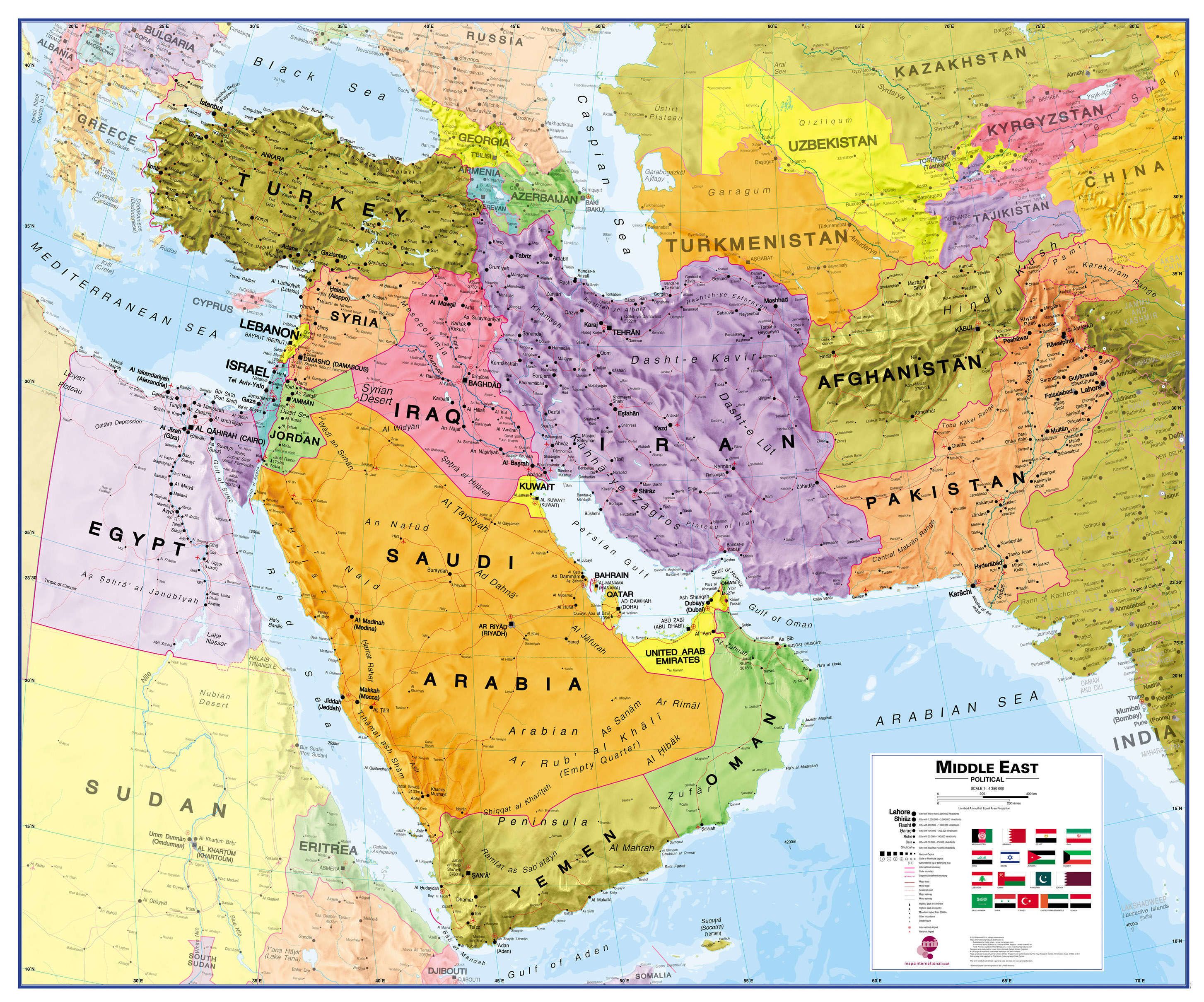
Recent geopolitical tensions in the Middle East have caused a noticeable ripple effect on global aviation. Because major transit hubs—such as Abu Dhabi and Doha—serve as the primary gateways for long-haul travelers from Europe, North America, and parts of Africa, flight cancellations have hit the Indonesian tourism market hard.
To combat this, the Ministry of Tourism is looking at removing barriers to entry. By proposing visa-free access for citizens of countries like Australia, Japan, South Korea, and India, the government aims to ensure that Bali remains a competitive and accessible destination, regardless of external aviation hurdles.
The Economic Ripple Effect
The value of the Indonesian Rupiah often fluctuates, impacting the cost of living and travel. By making it easier for international visitors to arrive at a moment’s notice, the government hopes to create a more stable, predictable flow of revenue that supports local businesses and stabilizes the national economy.
Current Entry Requirements: What You Need to Know Now
While the prospect of visa-free travel is an exciting development, This proves not yet in effect. For the time being, the standard rules apply. Most international visitors must secure a Visa on Arrival (VoA) before or upon landing.
Always use the Official Indonesian Immigration website to apply for your e-VoA. Avoid third-party sites that charge excessive “processing fees.” The official cost is IDR 500,000, and it is valid for 30 days.
It is vital to remember that a tourist visa is strictly for leisure. Engaging in unauthorized work, such as freelance content creation or volunteering without the correct permit, can lead to severe fines or deportation. Always check the latest Bali travel safety updates before you fly.
Frequently Asked Questions
- Is Bali visa-free right now? No, most international travelers currently require a Visa on Arrival (VoA).
- How much does a Bali Visa on Arrival cost? The official fee is IDR 500,000 for a 30-day stay.
- Can I work on a tourist visa in Bali? No. Tourist visas are for leisure only. Working, including remote work for local entities or unpaid volunteering, is prohibited.
- Where should I apply for my visa? Always use the official Indonesian Immigration portal to ensure your application is legitimate and your data is secure.
Staying Ahead of the Curve
Immigration policies in Indonesia can change overnight. Whether it is a new crackdown on visa compliance or a sudden policy shift to encourage tourism, staying informed is your best defence against travel headaches.
If you are planning a trip to Bali, we recommend checking the official government channels one week before your departure. Rules can be updated without warning, and being prepared will ensure your focus remains on the beach, not the paperwork.
Are you planning a trip to Bali soon? Let us know in the comments below if you’ve noticed changes in the entry process or if you have questions about current visa regulations. Don’t forget to subscribe to our newsletter for the latest updates delivered straight to your inbox.