

Vitamin B12 and folate deficiencies linked to chronic fatigue
Chronic fatigue has become a frequent challenge in modern life as individuals navigate heavier workloads and diminishing downtime. While many attribute this exhaustion to stress or insufficient sleep, research suggests that poor nutrition may play a significant role in energy depletion.
The Connection Between Vitamins and Energy
A research team led by Professor Hiroaki Kanouchi from Osaka Metropolitan University’s Graduate School of Human Life and Ecology has explored the link between vitamin deficiencies and levels of fatigue and motivation.
The study focused specifically on folate (B9) and vitamin B12. These two nutrients are critical for regulating homocysteine (Hcy), a substance in the blood that typically increases when these vitamins are lacking.
Analyzing Blood Markers in Healthy Adults
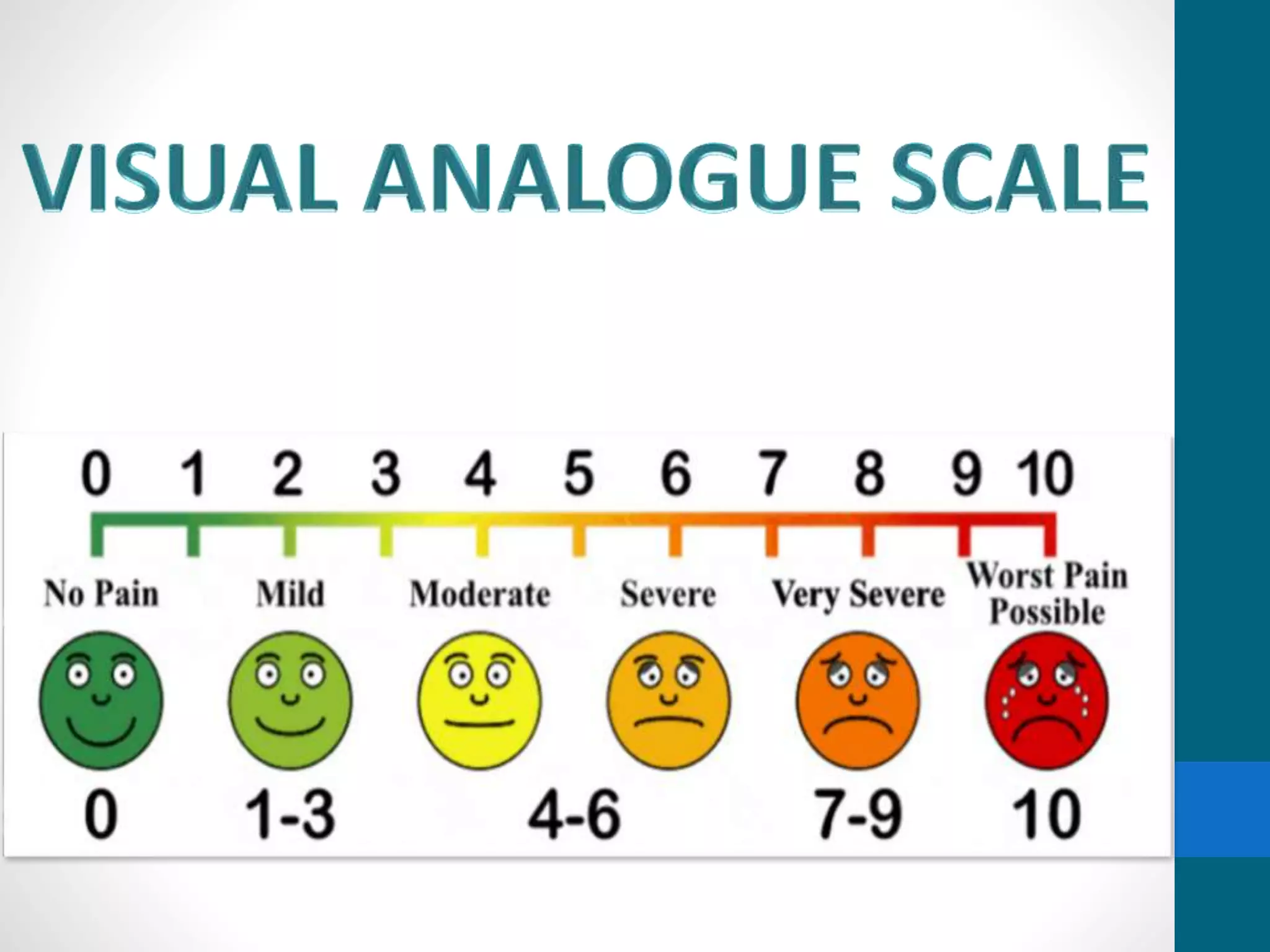
The study involved approximately 600 healthy Japanese adults. Researchers utilized the Chalder Fatigue Scale questionnaire and a Visual Analog Scale to evaluate participants’ motivation and fatigue levels.
The team discovered that higher homocysteine levels were generally associated with lower levels of vitamin B12 and folate, a trend that remained consistent regardless of the participant’s sex.
How Fatigue Differs by Gender
To understand the impact of these markers, researchers analyzed men and women separately. They accounted for variables such as eating habits, workload, sleep duration, and age.
The findings revealed a distinct difference in how elevated homocysteine affected participants. Men with higher levels were more likely to report increased physical fatigue.
In contrast, elevated homocysteine levels in women were linked to lower levels of motivation.
Broadening the Scope of Nutritional Health
Professor Kanouchi stated that this suggested relationship between fatigue, folate, and vitamin B12 in healthy individuals may be the first report of its kind.
The research, published in the journal Nutrients, emphasizes that maintaining a well-balanced daily diet is essential to prevent the increase of homocysteine levels.
What This Means for the Future
Based on these findings, future health assessments may be more likely to consider homocysteine levels when evaluating a patient’s fatigue or lack of motivation.
There is a possible next step where dietary interventions specifically targeting folate and B12 could be used to manage energy levels in healthy adults.
Increased awareness of these nutrients may lead to a greater emphasis on balanced nutrition as a primary tool to combat the exhaustion associated with modern workloads.
Frequently Asked Questions
Which vitamins were studied in relation to fatigue?
The research focused on vitamin B12 and folate (B9), both of which help regulate the substance homocysteine in the blood.

How did homocysteine affect men and women differently?
In men, higher homocysteine levels were linked to greater physical fatigue, while in women, these levels were connected to lower motivation.
What is the recommended way to prevent increased homocysteine levels?
According to the research, it is essential to maintain a well-balanced diet on a daily basis to avoid deficiencies in folate and vitamin B12.
Do you believe your daily energy levels are more affected by your workload or your nutritional habits?