
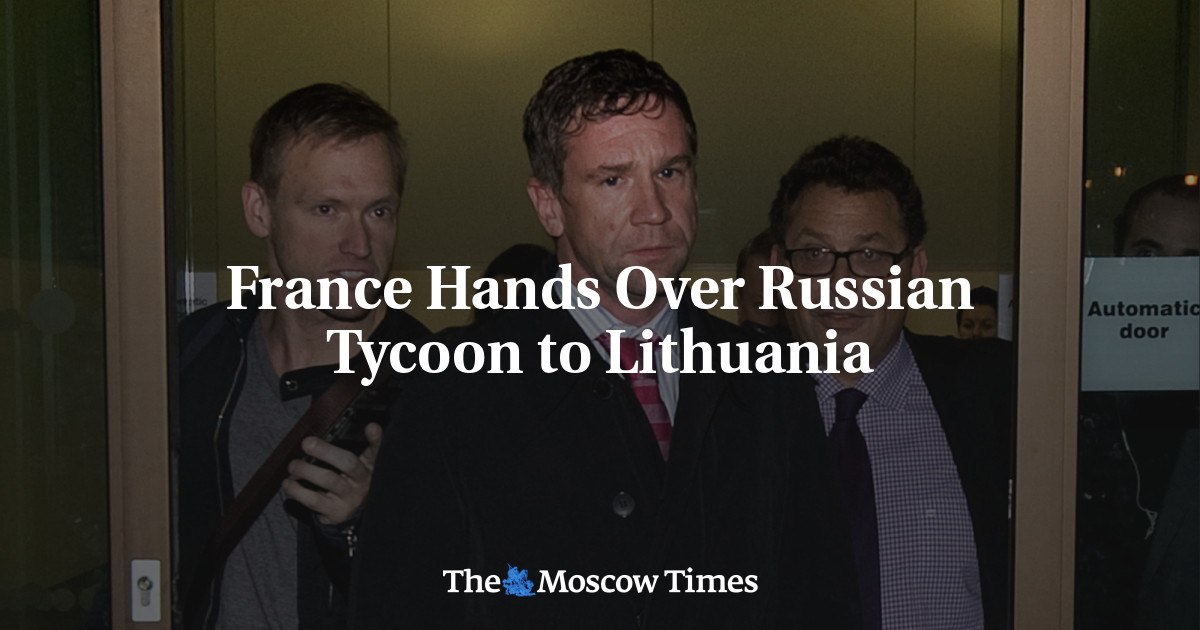
Vladimir Antonov Extradited to Lithuania Over Snoras Bank Fraud
The End of the Road for Banking Fugitives: Lessons from the Snoras Case
The extradition of Russian tycoon Vladimir Antonov from France to Lithuania marks a definitive chapter in a long-running saga of financial crime. Once the face of international banking expansion, Antonov’s journey from a high-flying financier to a convicted felon serves as a stark warning: the era of “jurisdiction hopping” for white-collar criminals is rapidly closing.

Did you know? European arrest warrants have revolutionized cross-border law enforcement, significantly reducing the “safe haven” status that once protected executives fleeing prosecution across EU borders.
The Globalization of Financial Accountability
Antonov’s case, involving the collapse of Snoras bank and over $550 million in losses, highlights a shift in how international authorities handle corporate embezzlement. For years, wealthy executives believed they could leverage complex ownership structures and international borders to delay or evade justice.
However, recent trends suggest that the net is tightening. We are seeing increased cooperation between EU member states, driven by digitized legal processes and a push for transparency in the financial sector. The days of hiding behind “fraudulent accounting” are being challenged by sophisticated forensic auditing tools that make it nearly impossible to obscure the trail of stolen assets.
Why Cross-Border Extradition is Changing
- Harmonized Legal Standards: EU directives have streamlined the process for executing arrest warrants, making it harder for legal teams to stall proceedings.
- Asset Recovery Focus: Regulators are now prioritizing the seizure of assets over simple incarceration, hitting the pockets of those who benefit from fraudulent bankruptcy.
- Digital Audit Trails: Modern forensic accounting leaves few places to hide, even when funds move through multiple international banks.
Trends in Financial Crime: What Lies Ahead
Financial crimes have evolved alongside technology. While the Snoras case dealt with traditional banking malpractice, we are entering a new phase where digital assets and decentralized finance (DeFi) are being exploited. Yet, the legal response is keeping pace.
Pro Tip: For investors and stakeholders, conducting deep due diligence on bank ownership is no longer optional. Look for transparency in board appointments and verify the history of banking groups before committing capital.
As we look to the future, expect to see more “bank clean-up” initiatives similar to those seen in Russia and across the Baltic states. Authorities are becoming less tolerant of institutions that function as personal piggy banks for their owners. For more on how these systemic clean-ups function, read our analysis on how bank reforms can impact political stability.
Frequently Asked Questions (FAQ)
- What is a European Arrest Warrant (EAW)?
- An EAW is a legal instrument that allows one EU country to request the arrest and surrender of a person from another EU country for the purpose of prosecution or serving a sentence.
- How long do financial fraud cases usually take to resolve?
- Complex white-collar crimes often take over a decade to reach a final verdict due to the intricacies of international evidence gathering and the ability of defendants to appeal through multiple jurisdictions.
- Can assets be recovered after a bank collapse?
- Yes, though it is difficult. International asset recovery teams work to freeze accounts and seize properties, but the success rate depends heavily on how quickly the initial fraud is detected.
What are your thoughts on the international legal system’s ability to hold high-profile financiers accountable? Share your insights in the comments section below or support our investigative journalism to help us bring more stories like this to light.