
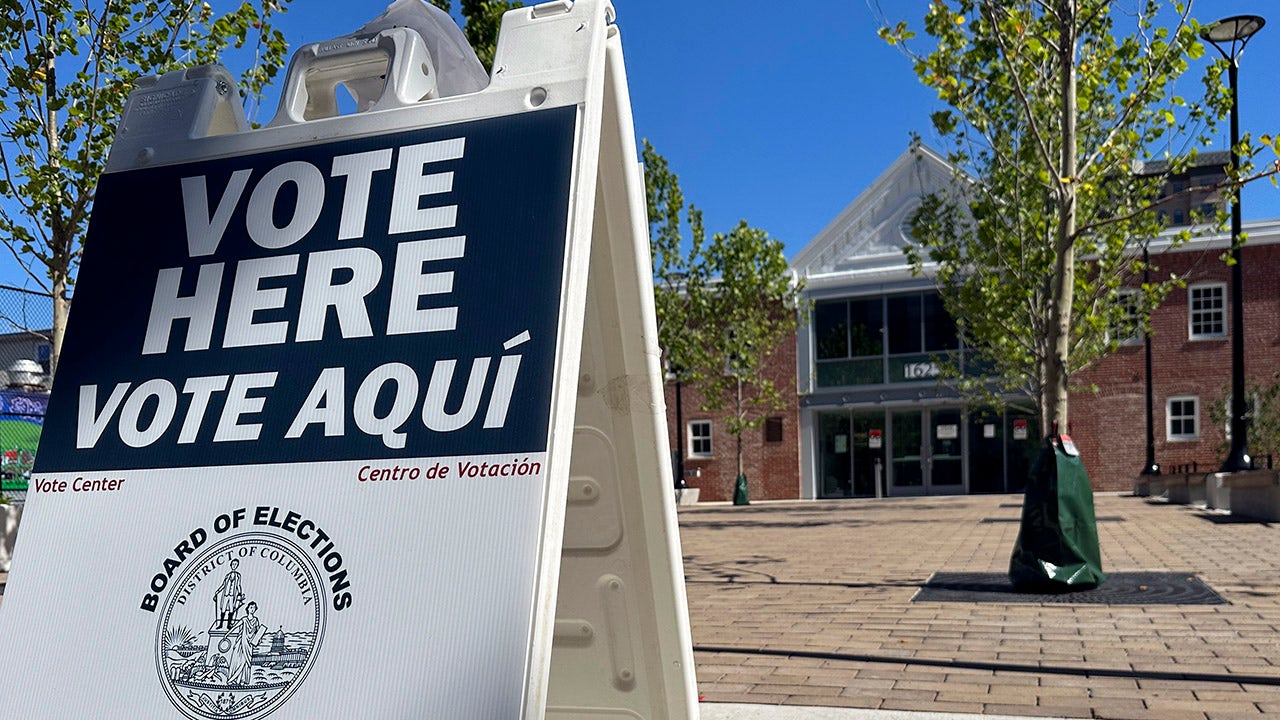
Voters in Alabama Knew Election Outcomes Before DC, Despite Same Poll Closing Time
Voters in Alabama learned the results of their Tuesday night elections hours before officials in Washington, D.C., began releasing outcomes, despite both jurisdictions closing polls at 8:00 p.m. Eastern Time. Alabama counted most votes within an hour, with the Associated Press declaring results by 9:31 p.m., while D.C. started counting at 10:47 p.m., according to verified reports.
Why It Matters
The disparity in vote-counting timelines highlighted differences in election procedures between jurisdictions. Alabama’s swift processing contrasted with D.C.’s delays, which stemmed from long polling lines, a high volume of mail ballots, and the implementation of ranked-choice voting, a system requiring multiple counting rounds. Election officials in Democratic-led areas defended the process, citing mail-in ballot rules and verification requirements.

Public frustration grew as less than 70% of D.C. ballots remained uncounted more than 24 hours after voting ended. Critics, including conservative pundit Byron York, called the delay “an absolute disaster,” while centrist Democrats echoed concerns about the pace. The D.C. Board of Elections did not respond to requests for comment.
What May Happen Next
Analysts suggest D.C.’s delayed results could prolong uncertainty in competitive races, potentially affecting voter trust. With less than 70% of ballots counted, officials may face pressure to accelerate processing while maintaining accuracy. The situation could also fuel broader debates over election timelines and transparency in jurisdictions using mail-in voting and ranked-choice systems.
Frequently Asked Questions
Why did D.C. delay vote counting? Long lines at polling stations, a high volume of mail ballots, and the implementation of ranked-choice voting contributed to the delay, according to election officials.
How many voters participated in Alabama versus D.C.? Approximately 400,000 people voted in Alabama’s Tuesday elections, compared to around 100,000 ballots cast in D.C. that night.
What percentage of D.C. ballots remain uncounted? As of publishing, less than 70% of ballots in D.C. had been counted more than a day after voting began.
How might prolonged vote counting affect future elections? Could it lead to changes in ballot processing rules?