
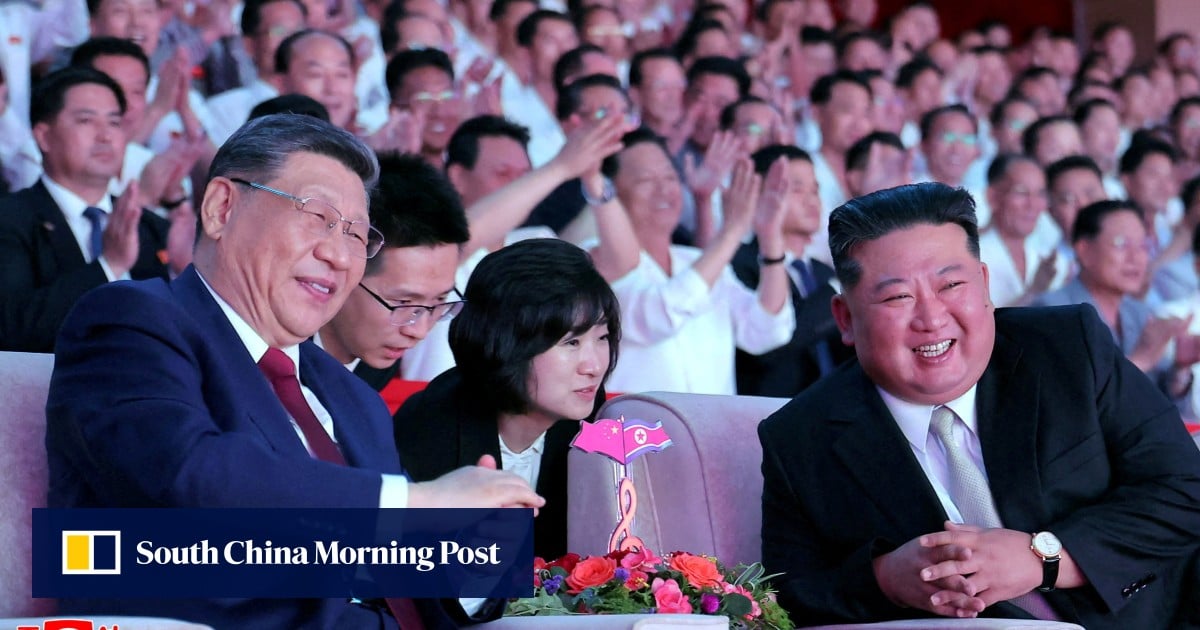
Was Kim Jong-un the real winner from Chinese President Xi Jinping’s visit to North Korea?
Chinese President Xi Jinping’s visit to North Korea has provided Kim Jong-un a “big strategic win” by boosting his international standing, according to analysts. The visit reinforces long-standing economic and cultural ties at a time when Pyongyang is leveraging an implicit rivalry between Beijing and Moscow for influence, according to Patricia Kim of the Brookings Institution.
Why did Xi Jinping’s visit benefit Kim Jong-un?
The visit improves Kim Jong-un’s global positioning by signaling high-level diplomatic support from China’s leadership. It was Xi’s first foreign trip of the year, occurring shortly after he hosted meetings with U.S. President Donald Trump and Russian President Vladimir Putin.

Analysts say the timing and nature of the trip suggest a renewed commitment to the bilateral relationship. By securing a state visit from the Chinese leader, Kim projects an image of stability and legitimacy on the world stage, despite ongoing international sanctions.
How is North Korea balancing relations between China and Russia?
Pyongyang is currently playing two major powers against each other to maximize its own gains. Patricia Kim, a senior fellow at the Washington-based Brookings Institution, describes this as an “implicit rivalry” for influence between Beijing and Moscow.
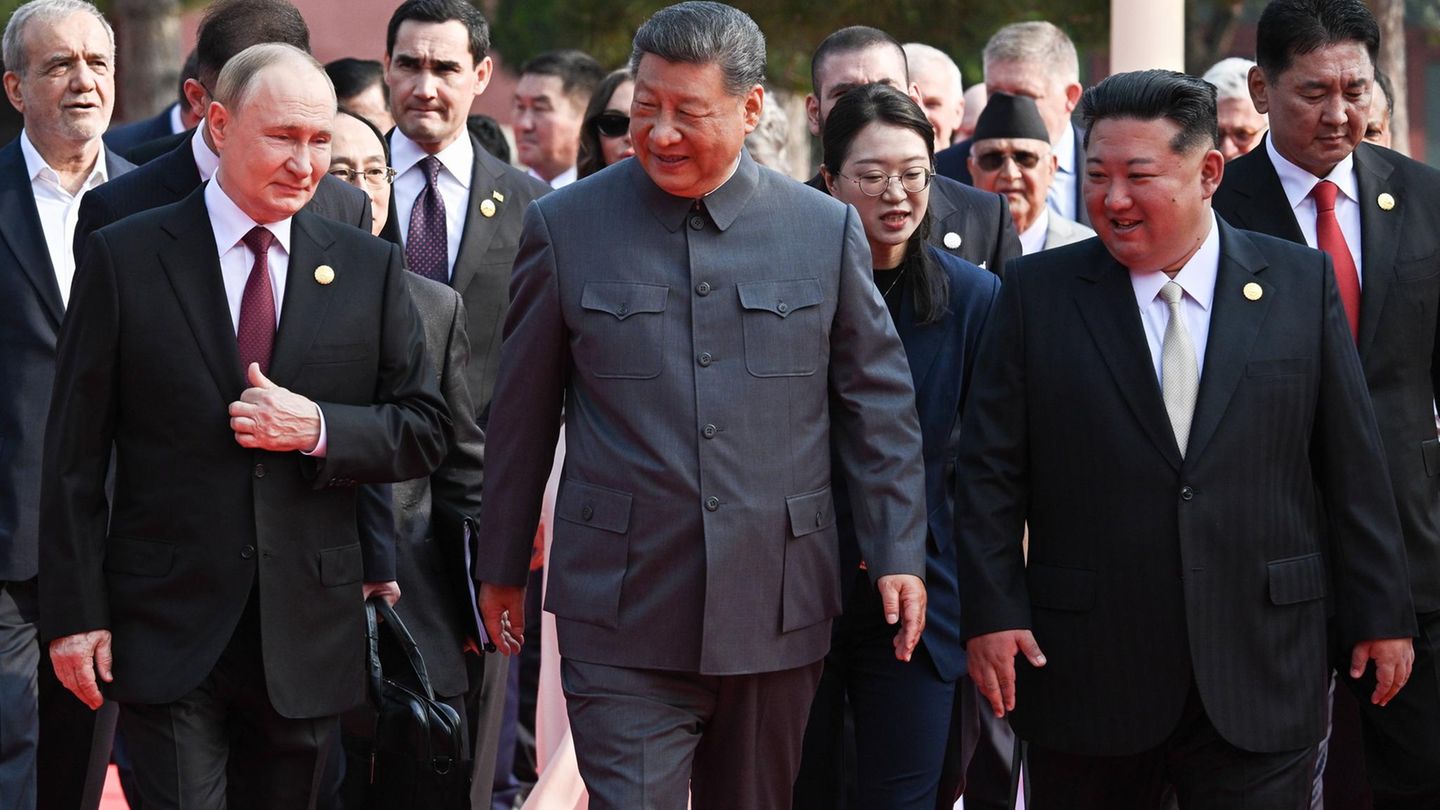
While North Korea has grown closer to Russia through military pacts and troop deployments, Xi’s visit serves as a reminder that China remains a vital economic and cultural anchor. This balancing act allows Kim Jong-un to avoid becoming overly dependent on any single ally.
Comparison: China vs. Russia Influence
| Focus of Relationship | China’s Role | Russia’s Role |
|---|---|---|
| Primary Ties | Economic and Cultural | Military and Strategic |
| Recent Action | High-level state visit (Xi) | Troop deployments to Ukraine |
What has changed since the pandemic?
Relations between Beijing and Pyongyang aren’t always this smooth. According to reports, the relationship cooled significantly after the border was sealed during the Covid-19 pandemic. This closure disrupted trade and diplomatic communication, creating a vacuum that North Korea filled by strengthening its military ties with Russia.
Xi’s recent visit marks a departure from that period of isolation. It suggests that China is moving to reclaim its role as the primary influence in Pyongyang, ensuring that Russia doesn’t become the sole arbiter of North Korean policy.
Why is the lack of pressure on denuclearization significant?
The most critical outcome of this diplomatic alignment is the absence of pressure on Kim Jong-un to give up his nuclear weapons. Patricia Kim states that neither Beijing nor Moscow is currently pressuring Pyongyang to return to the negotiating table or commit to denuclearization.
This lack of pressure is the “big strategic win” for the North Korean leader. It effectively removes the primary diplomatic hurdle Kim has faced for decades, allowing him to maintain his nuclear arsenal while continuing to receive economic and political support from his neighbors.
Frequently Asked Questions
Does China support North Korea’s nuclear program?
While China hasn’t explicitly endorsed the program, Patricia Kim notes that Beijing is currently not pressuring Pyongyang to commit to denuclearization.
How has the Russia-Ukraine war affected North Korea?
It has pushed Pyongyang closer to Moscow, resulting in the deployment of thousands of North Korean troops to support Russia’s efforts.
Why did Xi Jinping visit North Korea now?
The visit reinforces economic and cultural ties and signals China’s continued influence following a period of cooled relations during the pandemic.
What do you think about the shifting alliance between China, Russia, and North Korea? Does this make global stability more or less likely? Let us know in the comments below or subscribe to our newsletter for more geopolitical analysis.