
WA’s new Chief Health Officer Clare Huppatz confident state’s Ebola risk is low
Western Australia has entered a new era of public health leadership with the appointment of Dr. Clare Huppatz as the state’s chief health officer. Appointed in March by Health Minister Meredith Hammat, Dr. Huppatz is the first woman to hold this position.
Assuming the role in late February, Dr. Huppatz has immediately navigated a complex landscape of infectious disease modeling and active outbreaks. Her early tenure has been marked by the need to manage multiple simultaneous health threats.
Managing Global and Local Health Threats
Authorities are currently monitoring travel from the Democratic Republic of the Congo (DRC) due to an outbreak of Ebola. While several WA-based contractors and mining companies travel to the stricken country, Dr. Huppatz expressed confidence that the risk of the disease entering the state remains low.
The federal government has opted not to impose border restrictions on travelers from Ebola-affected regions. To manage potential risks, Dr. Huppatz stated that clinicians would triage suspected cases, place them in isolation, and alert public health authorities.
Further measures would depend on the specific situation, including the number of cases and the type of exposure. In instances of limited cases, the state would likely rely on its “robust case and contact tracing systems.”
Active Outbreaks and Quarantines
Beyond global concerns, the state is managing an “unusual” emergence of diphtheria in remote areas of Western Australia’s far north. Health authorities are currently conducting a vaccination drive to contain the spread while battling misconceptions and disinformation.
Dr. Huppatz noted that while the reasons for the current transmission are not well understood, the disease is known to spread through close person-to-person contact. The response involves the use of antibiotics and rigorous contact tracing.
six passengers from a cruise ship impacted by hantavirus are currently quarantining in the outer Perth suburb of Bullsbrook. This quarantine period has been extended until June 23.
Preparing for Future Pandemics
Dr. Huppatz has identified several global patterns that may make the transmission of infectious diseases more likely, including global conflict and falling vaccination rates. She believes Australia is well-positioned to combat these threats within hospitals and at the border.
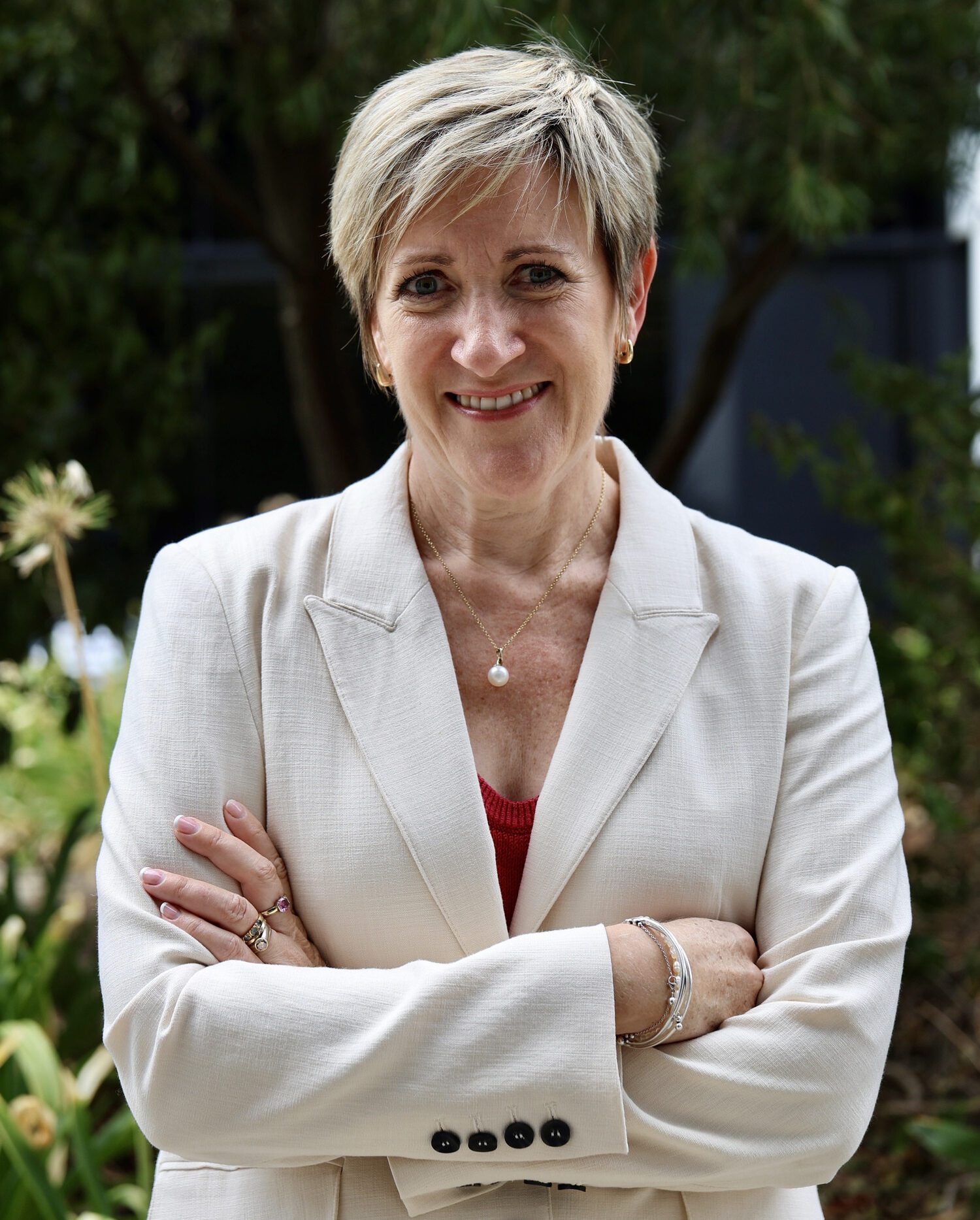
Maintaining the alertness established by her predecessor, Dr. Andy Robertson, Dr. Huppatz emphasized the necessity of pandemic preparedness. She stated that infectious disease physicians suggest another pandemic may occur at some point in the future.
Focus on Equity and Representation
A primary goal for Dr. Huppatz is improving health outcomes for Aboriginal populations. She intends to focus on “Closing the Gap” targets by collaborating with the Aboriginal health sector and leveraging their leadership and objectives to drive change.
Dr. Huppatz also hopes her appointment serves as an inspiration for other women to pursue careers in public health. She aims to use her position to improve health outcomes for the entire population.
Frequently Asked Questions
What is the current risk of Ebola entering Western Australia?
Dr. Huppatz has stated the risk is low, though authorities continue to monitor travel from the Democratic Republic of the Congo (DRC) and have triage and isolation measures in place.
Why is the diphtheria outbreak in WA’s north considered unusual?
The emergence is considered unusual because the state generally maintains “good” vaccination rates against the disease.
What is happening with the hantavirus cases in Perth?
Six passengers from a hantavirus-hit cruise ship are quarantining in Bullsbrook, with their quarantine period extended until June 23.
How can public health systems better combat disinformation during vaccination drives?