

WASP-189b: Unlocking the Secrets of an Ultra-Hot Exoplanet
An international team of astronomers led by Jorge Antonio Sanchez of Arizona State University has confirmed that the exoplanet WASP-189b contains magnesium and silicon levels identical to its parent star. Using the Gemini South Telescope in Chile, the researchers measured these rock-forming elements, providing critical data on the chemical conditions that may determine if a planet is habitable.
How extreme heat reveals life-supporting elements
The discovery was made possible by the extreme environment of WASP-189b, a “ultra-hot Jupiter” located 320 light-years away in the Libra constellation. According to the research team, the planet is so hot that it evaporates elements such as magnesium (Mg), silicon (Si), and iron (Fe) in its outermost layers.

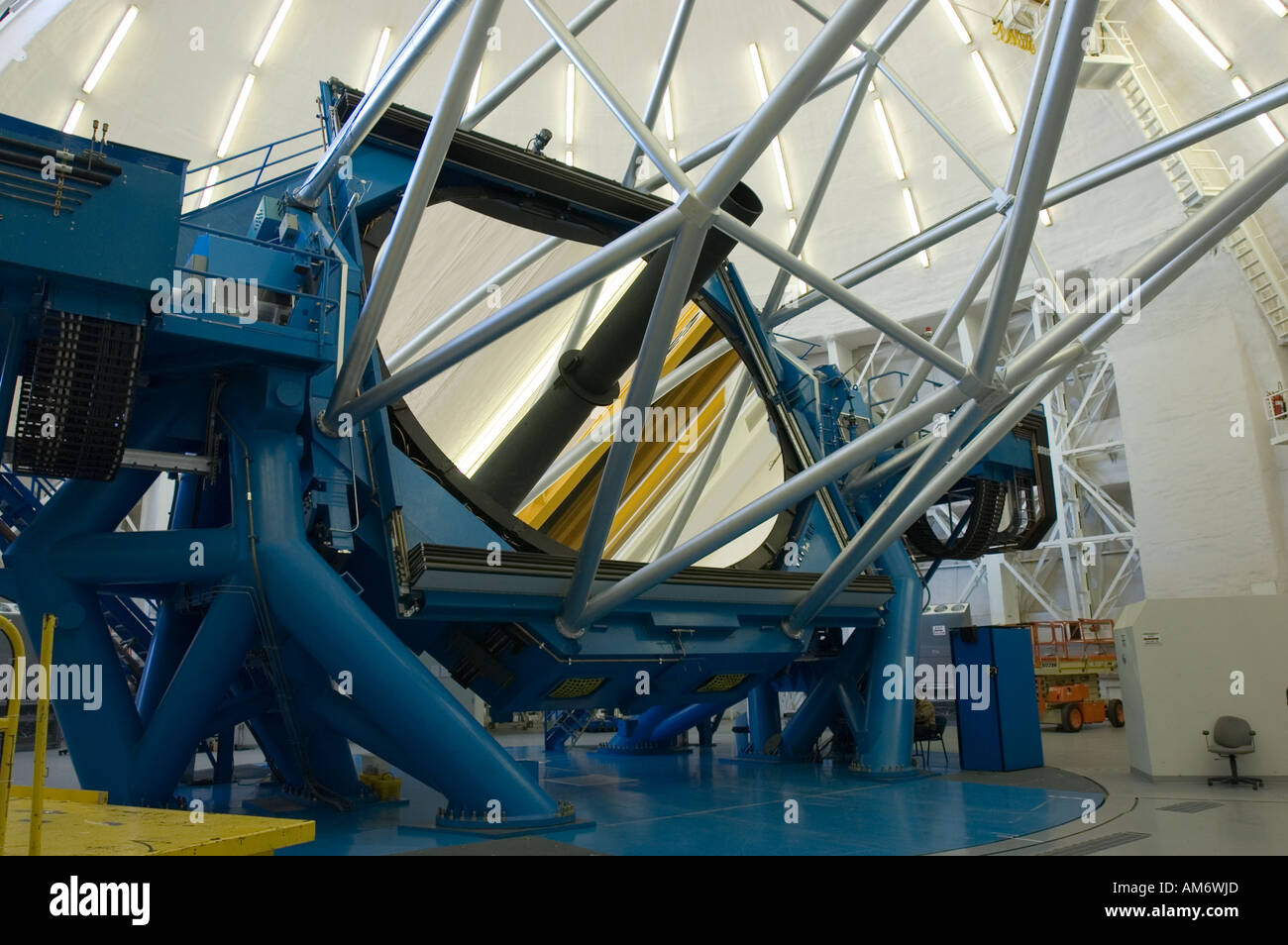
This evaporation allows astronomers to observe and measure these elements from a great distance. The team used the GRating INfrared Spectrograph (IGRINS) instrument on the Gemini South Telescope to conduct the first direct measurements of magnesium and silicon in the planet’s atmosphere.
Why chemical composition determines habitability
The findings confirm a long-standing assumption that stars and their planets form from the same basic materials. Jorge Antonio Sanchez and his team found that the quantities of magnesium and silicon in WASP-189b match those of its parent star.
These rock-forming elements are essential for the conditions that support life. On Earth, these materials are responsible for the protective magnetic field and tectonic plates, which drive the release of chemicals into the soil, oceans, and atmosphere.
What may happen next in exoplanet research
This measurement provides a new method for understanding how exoplanets evolve. Future observations could lead to a deeper understanding of the specific elements that make a planet capable of supporting life.

Researchers may use these findings to investigate other planets to see if they share similar chemical compositions with their stars. Such steps could potentially reveal more about the formation and evolution of distant worlds.
Frequently Asked Questions
What elements were measured in the atmosphere of WASP-189b?
The team measured magnesium and silicon, while noting that the planet’s heat also evaporates iron.
What tool was used to make these measurements?
Astronomers used the GRating INfrared Spectrograph (IGRINS) installed on the Gemini South Telescope in Chile.
Why are rock-forming elements important for life?
According to the source, these elements contribute to the protective magnetic field and tectonic plates, which release chemicals into the atmosphere, land, and sea that support life.
Do you think the discovery of these elements on other planets increases the likelihood of finding life beyond Earth?