

Weight Loss Patches: OCU Warns Against False Claims and Health Risks
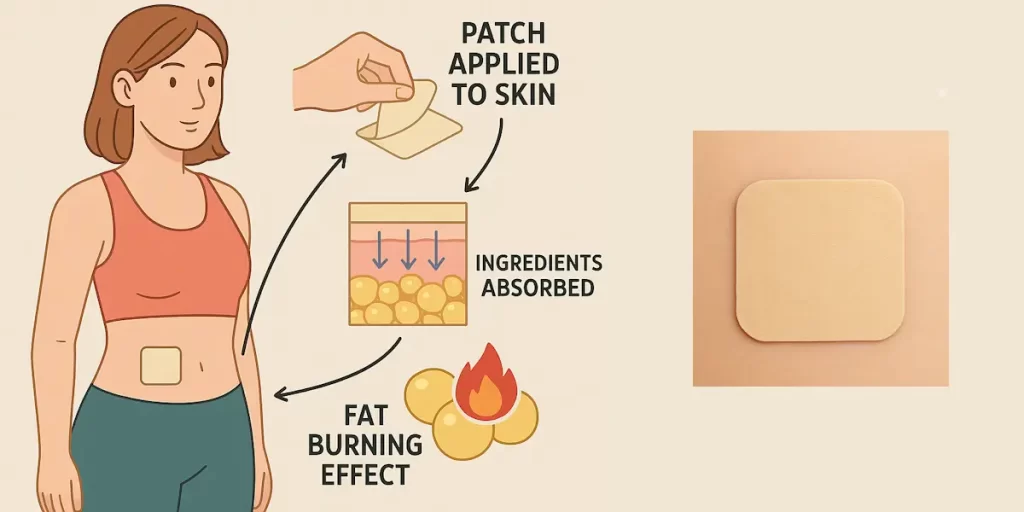
A surge of products marketed as “slimming patches” has flooded online platforms and social media, promising users effortless weight loss, localized fat burning, and appetite control. These products are frequently presented as innovative, natural, and safe alternatives for those struggling with weight issues, often featuring before-and-after imagery to entice consumers.
The Organization of Consumers and Users (OCU) has issued a formal warning regarding these items, clarifying that they are not medications. Despite claims that they can mimic the effects of obesity treatments like Ozempic or Wegovy, these patches lack any proven ability to facilitate weight loss, especially when applied topically.
Did You Know?
The OCU has been analyzing consumer products and services since 1975, relying on a team of professionals including lawyers, health experts, and engineers to evaluate market offerings.
Regulatory Non-Compliance
Investigations into these patches have revealed that their labeled ingredients consist primarily of plant extracts and substances commonly used in cosmetics as skin conditioners. None of these ingredients possess demonstrated slimming properties.

The OCU has reported these products to the Spanish Agency for Medicines and Health Products (AEMPS) for violating the Real Decreto 1907/1996. Specifically, the marketing of these patches infringes on articles 4.2 and 4.13 by attributing prohibited slimming properties to the products and using the term “natural” to imply health benefits that do not exist.
Health Risks and Market Oversight
Beyond being ineffective, these patches are not necessarily harmless. They pose risks of skin irritation, allergies, and other cutaneous reactions. These dangers are exacerbated when product compositions are poorly identified and marketing materials downplay potential adverse effects by labeling the items as entirely safe.
While some platforms, such as Amazon, have removed certain products following these alerts, new listings continue to emerge elsewhere. This ongoing issue highlights a significant need for more rigorous control over online advertising and stricter enforcement of existing regulations to protect consumer health.
Expert Insight:
The proliferation of these “miracle” solutions underscores a growing concern regarding the intersection of digital marketing and consumer health. When products bypass standard medical scrutiny to promise effortless results, the responsibility falls on regulatory bodies and digital platforms to ensure that safety standards are not sacrificed for convenience or profit.
Frequently Asked Questions
Are slimming patches considered effective medication?
No. The OCU clarifies that these patches are not medications and do not possess any proven health effects regarding weight loss.
What ingredients are found in these patches?
The ingredients declared on the labels are typically plant extracts and cosmetic substances used as skin conditioners, which have no scientific basis for aiding in weight reduction.
What are the potential health risks of using these patches?
Users may experience skin irritation, allergies, or other cutaneous reactions, particularly since the product compositions are often not clearly identified.
Have you encountered advertisements for products that promise significant health results without the need for lifestyle changes?