
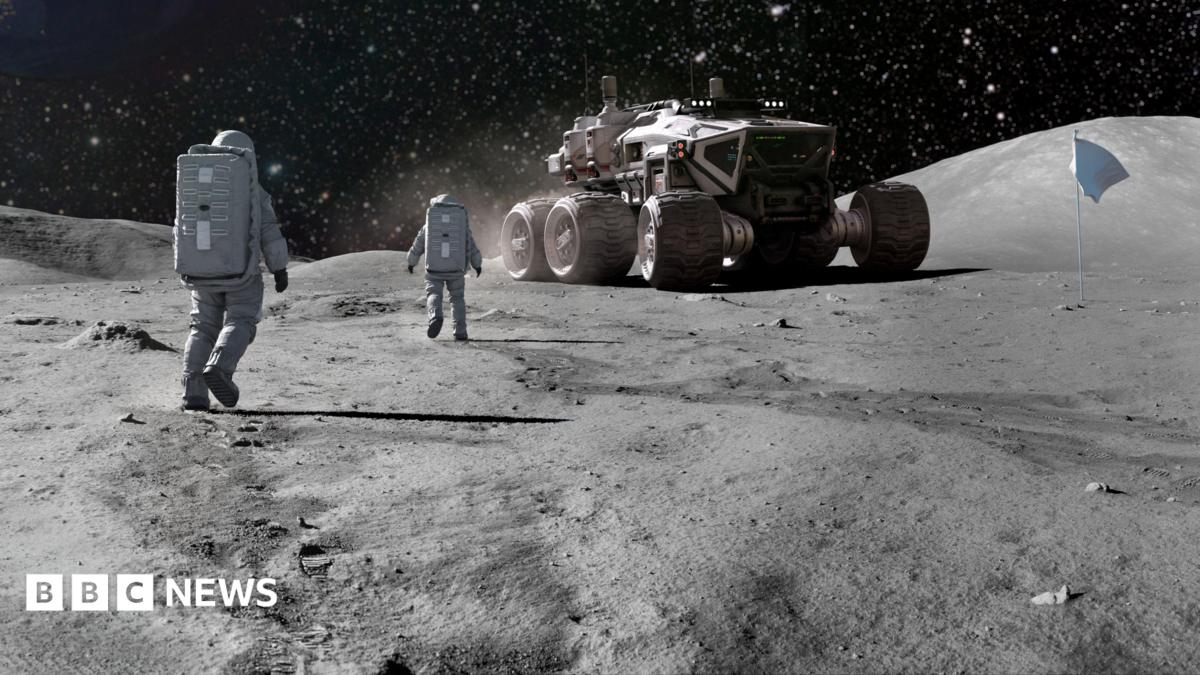
What is Helium-3 and could we get it from the moon?
Why Is Helium-3 Stored in Beer Kegs at Lancaster University?
At Lancaster University, one of the most valuable assets is stored in rows of metal kegs, not in student bars but in a securely locked laboratory. These containers hold helium-3, a rare and expensive gas priced at roughly $2,000 per litre. Dima Zmeev, a senior lecturer at the university, explains that the lab has stockpiled helium-3 for decades, a decision made when the gas was far cheaper. “Our very wise predecessors stocked up,” he says, highlighting the foresight of early researchers.
Helium-3’s unique properties make it indispensable for cutting-edge science. It is used in experiments to detect dark matter and in creating ultra-cold environments essential for quantum computing. The gas’s ability to cool materials to near absolute zero has positioned it as a critical resource for future technologies.
What Challenges Exist in Helium-3 Supply?
Despite its importance, helium-3 remains scarce. Current sources are tightly controlled, primarily derived from the decay of tritium in nuclear weapons. David McCollum, a scientist at Oak Ridge National Laboratory, estimates that tens of thousands of litres are produced annually through this method. However, rising demand from fields like quantum computing and nuclear fusion could outstrip this supply.
Researchers are exploring alternative sources. While helium-3 exists in trace amounts on Earth, lunar regolith samples from the Apollo missions suggest higher concentrations on the moon. This has sparked interest in space mining, though practical challenges remain.
How Could Helium-3 Revolutionize Technology?
Helium-3’s applications extend beyond academia. In quantum computing, it enables dilution refrigeration, cooling systems that operate at millikelvin temperatures. These systems are vital for maintaining the stability of qubits, the building blocks of quantum processors. “Without helium-3, we’d struggle to achieve the temperatures needed for quantum experiments,” Zmeev notes.
The gas also holds promise for nuclear fusion. Some reactor designs, such as those using deuterium-helium-3 reactions, could produce clean energy with minimal radioactive waste. While commercial fusion remains distant, helium-3’s role in this field is gaining attention from scientists and investors alike.
What Makes Helium-3 So Expensive?
The cost of helium-3 stems from its rarity and complex production process. Unlike helium-4, which fills party balloons, helium-3 has only two neutrons in its nucleus, making it less common. Extracting it from nuclear weapons or lunar soil requires advanced technology and significant resources. As demand grows, experts warn that prices could rise further, impacting research and development.
Pro tip: Scientists are testing methods to extract helium-3 from Earth’s crust, though current yields are low. Innovations in this area could reduce reliance on nuclear byproducts and space mining.
What’s Next for Helium-3 Research?
With supply constraints looming, the scientific community is prioritizing efficiency. Zmeev’s team reuses helium-3 in experiments, maximizing its utility. Meanwhile, international collaborations are exploring lunar mining missions, though these face technical and financial hurdles.
As quantum computing and fusion energy advance, helium-3’s value will likely increase. Researchers emphasize the need for sustainable sourcing strategies to avoid bottlenecks in critical technologies.
Did You Know?
Helium-3’s cooling effect is similar to how sweat cools the body. When it evaporates, it absorbs heat, creating a drastic temperature drop. This principle is harnessed in dilution refrigerators, which are crucial for superconducting circuits.
FAQ: Helium-3 Explained
What is helium-3?
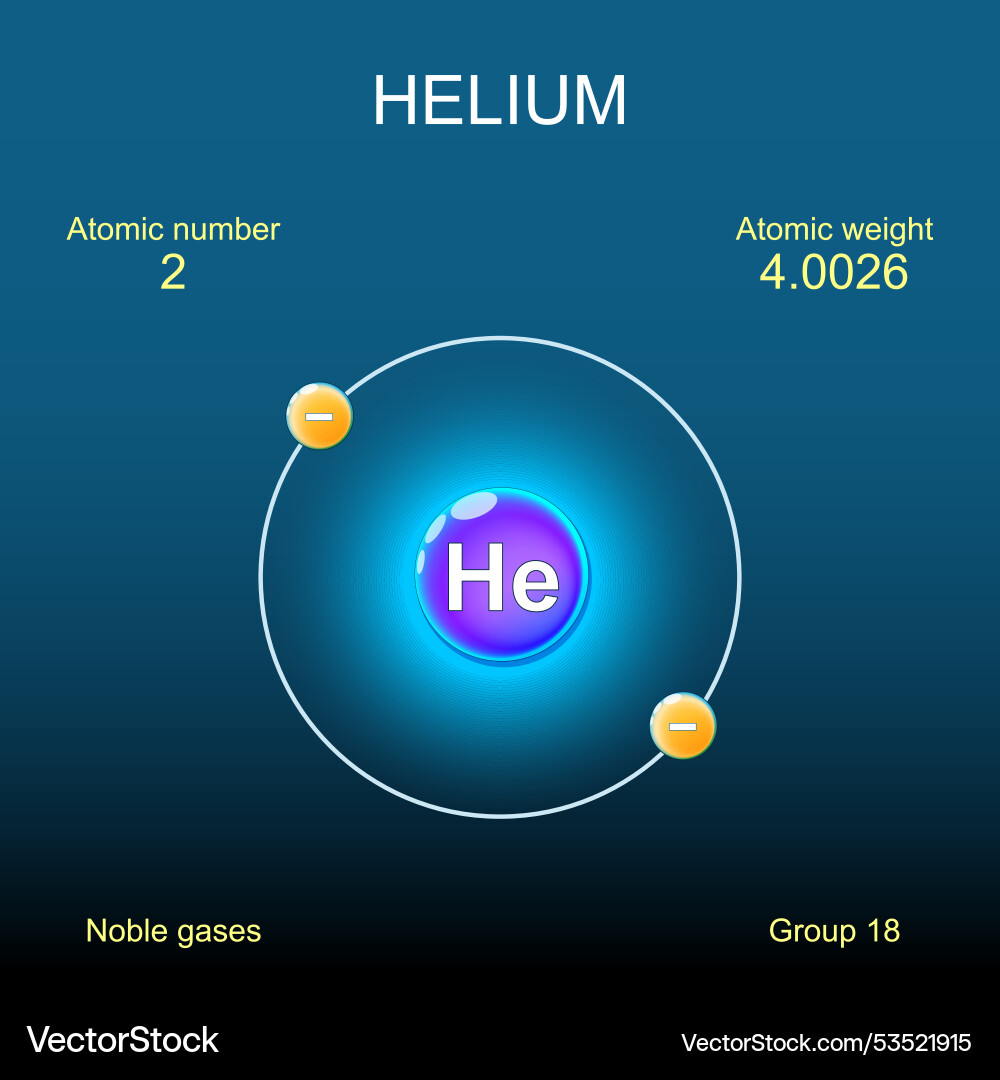
Helium-3 is a rare isotope of helium with two neutrons. It differs from helium-4, the more common form, and is used in advanced scientific applications due to its unique properties.
Why is it valuable?
Its ability to cool materials to ultra-low temperatures makes it essential for quantum computing and nuclear fusion research. It also plays a role in detecting dark matter and other exotic particles.
Can we mine it from the moon?
Yes, but it’s not yet economically viable. Lunar regolith contains higher concentrations of helium-3 than Earth’s crust, but extracting and transporting it would require significant technological and financial investment.
Explore More
For insights into the future of quantum computing, read our analysis. To learn about nuclear fusion advancements, visit our dedicated page.
Have questions about helium-3 or its applications? Contact us or leave a comment below. Stay informed by subscribing to our newsletter.