

What Your Tongue Color Says About Your Health
The tongue serves as a visible indicator of systemic health, reflecting potential infections, nutritional deficiencies, and cardiovascular risks. According to the U.S. National Library of Medicine, the organ’s highly vascularized tissue allows color, texture, and coating changes to alert patients to underlying medical conditions.
How does the tongue reflect systemic health?
The tongue acts as a rapid reflection of systemic alterations because it is an exposed, vascularized tissue, according to specialists from the U.S. National Library of Medicine. Changes in color, texture, and the presence of coatings can signal hematological diseases, infections, or problems with blood oxygenation.
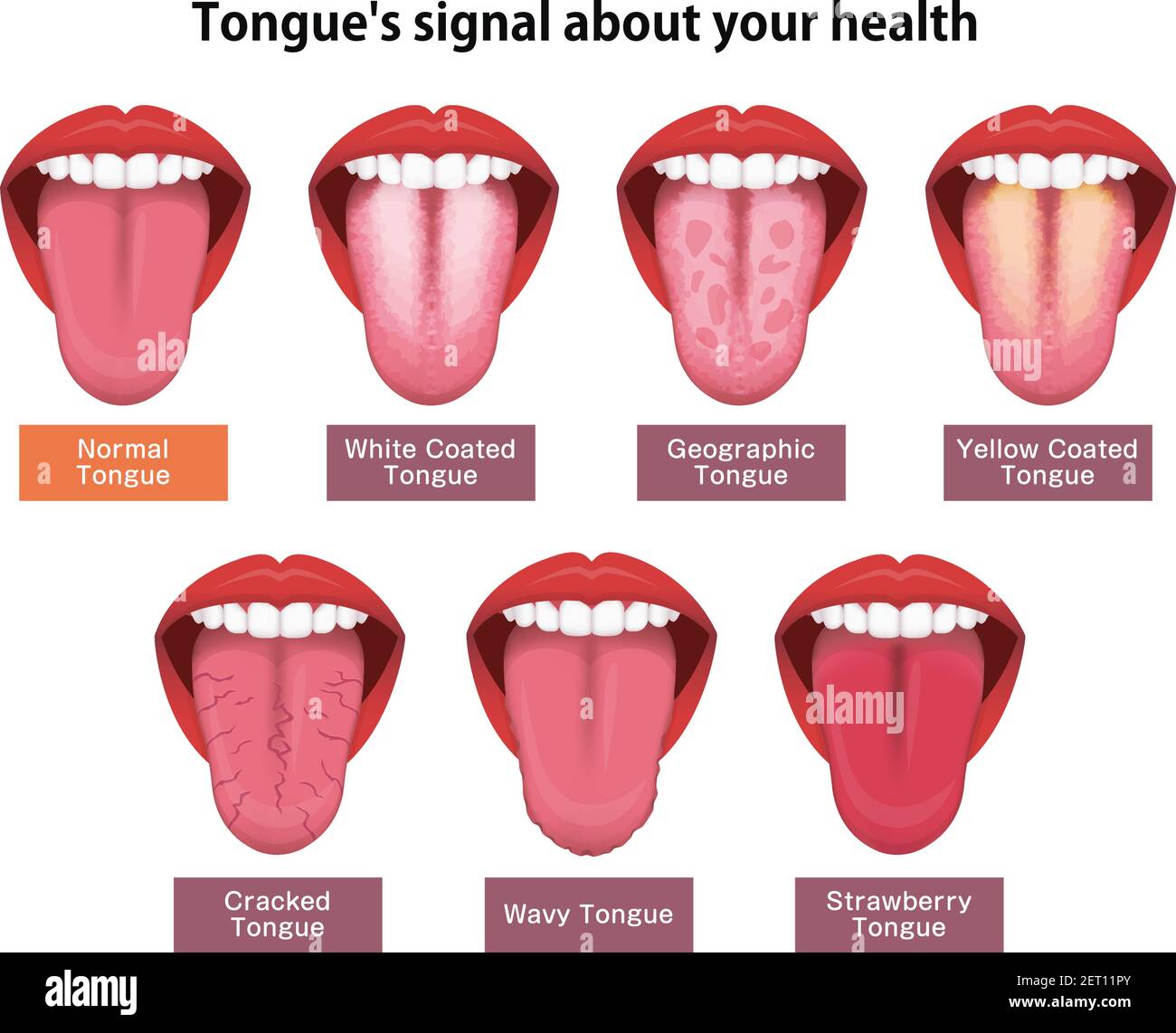
The American Heart Association states that the oral microbiota located on the tongue is critical to general health. A microbial imbalance can lead to the proliferation of pathogenic bacteria, which may contribute to systemic inflammation and increase the long-term risk of heart disease.
What do specific tongue colors signal?
A very pale tongue may indicate anemia or poor blood perfusion, according to the Mayo Clinic and the U.S. National Library of Medicine. Iron deficiency specifically reduces red blood cells, which removes the tongue’s normal pink tone.
The Mayo Clinic and the MSD Manual report that an intensely red tongue, particularly in children with fever, can alert providers to Kawasaki disease or scarlet fever. If left untreated, these bacterial infections could evolve into serious cardiac complications.
A blue or violet tone typically indicates deficient blood oxygenation associated with heart failure, lung diseases, or congenital heart defects, according to the Mayo Clinic. The American Heart Association classifies lingual cyanosis as a medical emergency when it occurs alongside chest pain or dyspnea.
Yellow coloration is often linked to bacterial overgrowth in smokers or those with dry mouth, according to the MSD Manual. However, persistent yellow tones may indicate jaundice related to liver problems or advanced heart failure causing hepatic congestion.
How does oral health impact the heart?
The CDC and the MSD Manual state that the tongue can act as a reservoir for bacteria involved in periodontal diseases. In vulnerable individuals, these infections may serve as entry points for bacteremias that reach the heart and trigger endocarditis.
Oral candidiasis, characterized by white patches, often appears in patients with diabetes or those who are immunocompromised, according to MedlinePlus and the Mayo Clinic. The American Heart Association notes that a weakened immune system in these patients may increase the risk of severe cardiac infections.
When should you seek medical attention?
The CDC and the American Heart Association recommend regular brushing of both the teeth and the tongue to prevent bacterial overgrowth. This practice helps reduce systemic inflammation.
Medical consultation is necessary if a person experiences prolonged color changes, persistent coatings, pain, or ulcers. While many mild changes are reversible and benign, persistence or accompanying symptoms may justify a clinical evaluation.
A possible next step for individuals noticing these signs is to track accompanying symptoms, as the interpretation of tongue changes must occur within a broader medical context provided by professionals.
Frequently Asked Questions
Can a white coating on the tongue be dangerous?
According to the CDC, a thick white coating can be a reservoir for infectious bacteria, which is particularly concerning for patients with cardiac risks. It is often caused by bacterial biofilm, dry mouth, or poor oral hygiene.
What does a smooth, red tongue indicate?
The MSD Manual and Mayo Clinic state that a smooth, red tongue (glossitis) can result from severe deficiencies in folic acid or vitamin B12. This condition may increase cardiac effort due to decreased oxygenation.
Is a blue tongue always an emergency?
The American Heart Association insists that lingual cyanosis is a medical emergency specifically when it is accompanied by chest pain or shortness of breath (dyspnea).
Have you noticed any persistent changes in your oral health that prompted a doctor’s visit?