

WhatsApp Introduces Document Sharing with Meta AI for Faster and More Accurate Conversations
The Evolution of WhatsApp’s AI Integration
WhatsApp has long been a cornerstone of digital communication, but its recent focus on integrating Meta AI signals a shift toward smarter, more versatile user interactions. The latest development—allowing document uploads directly to Meta AI—marks a significant leap forward. This feature, currently in beta testing, aims to bridge the gap between traditional messaging and AI-driven productivity tools.
What This Means for Users
For everyday users, the ability to share documents with Meta AI simplifies tasks that previously required manual workarounds. Instead of screenshotting a PDF or copying text into the AI, users can now upload files directly. This is particularly useful for students analysing research papers, professionals reviewing spreadsheets, or anyone needing quick insights from complex documents.
According to WABetaInfo, users can now access this feature via the in-chat attachment menu, streamlining workflows. For instance, a user could upload a contract to Meta AI and ask, “What are the key terms?” The AI would analyze the document and provide a concise summary, saving time and reducing errors.
How It Compares to Competitors
WhatsApp’s new feature positions it to compete with other messaging platforms that have long supported document sharing with AI tools. Apps like Slack and Microsoft Teams allow users to upload files directly to AI assistants, fostering collaboration. By adopting a similar approach, WhatsApp is aligning itself with modern productivity standards.
Meta AI’s current limitations—such as restricted file types—highlight the need for this update. While competitors like Google’s Gemini and Apple’s Siri support a broader range of documents, WhatsApp’s integration could close this gap, especially as it expands its AI capabilities.
Real-World Impact and Case Studies
Consider a small business owner who frequently reviews invoices and reports. With the new feature, they could upload a PDF to Meta AI and ask, “What’s the total expenditure this month?” The AI would extract data and present it in a clear format, eliminating the need for manual calculations. This efficiency could translate to significant time savings for users across industries.
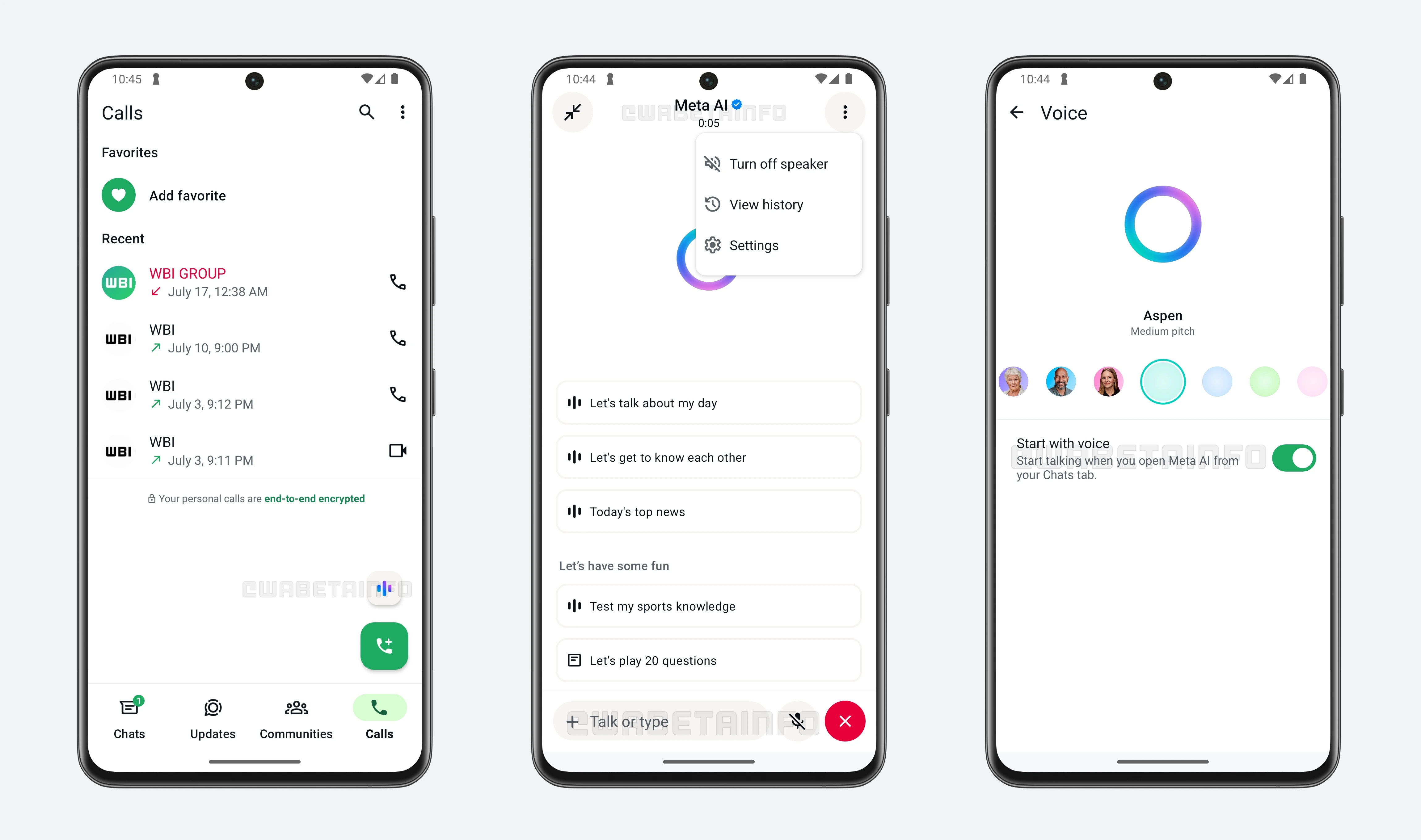
Another example: a student working on a group project could share a research paper with Meta AI and ask, “Summarize the main findings.” The AI would generate a concise overview, helping the student quickly grasp key points without sifting through lengthy text.
Potential Impact on Business and Productivity
The integration of document sharing with Meta AI could revolutionize how businesses operate. Teams could collaborate more effectively by leveraging AI to analyze shared files, identify trends, and generate insights. For example, a marketing team might upload a campaign report to Meta AI and ask, “What strategies drove the highest engagement?” The AI could then highlight successful tactics and suggest improvements.
this feature could enhance customer service. Support agents could upload client queries or technical documents to Meta AI, enabling faster, more accurate responses. This would reduce resolution times and improve user satisfaction.