
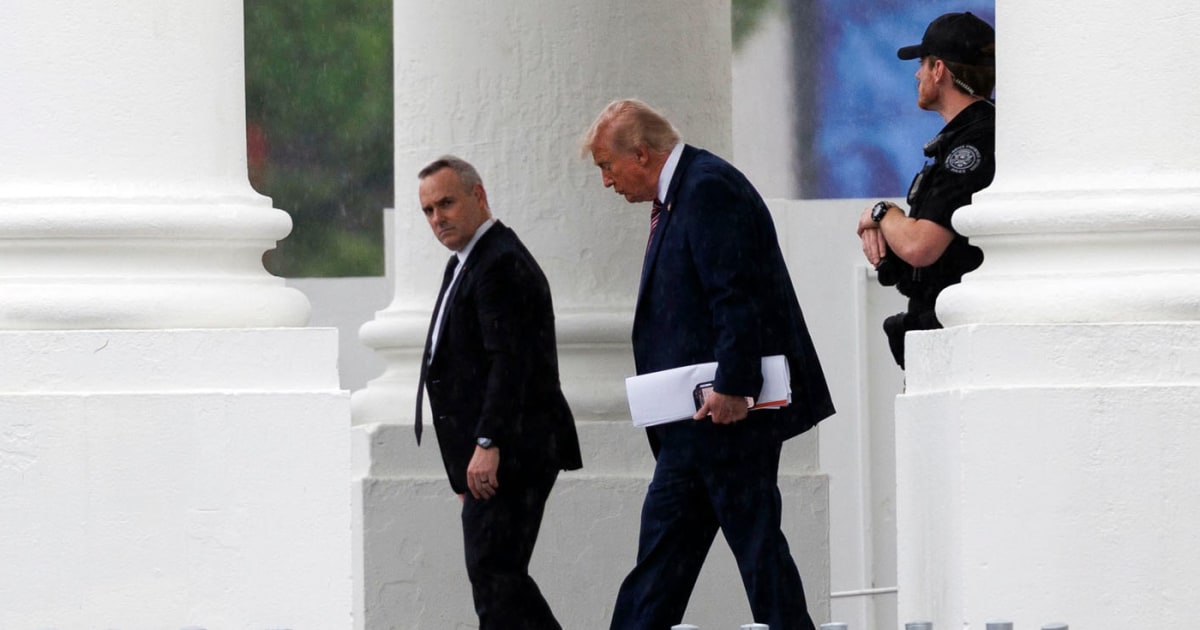
White House Physician Reports Donald Trump in Excellent Health
The Rise of the “Silver Leadership” Era: Aging in High-Stakes Power
As global demographics shift, we are witnessing a historic trend: the “Silver Leadership” era. For the first time in modern history, the age of heads of state is pushing further into the late 70s and 80s. This shift isn’t just a political curiosity; it is transforming how we define “fitness for duty” in the 21st century.
Traditionally, a leader’s health was a private matter until a crisis occurred. However, as leaders assume office at older ages, the medical scrutiny has intensified. We are moving toward a model where “excellent health” is no longer a subjective claim by a personal physician, but a data-driven metric involving cardiac function, pulmonary efficiency, and metabolic stability.
Redefining “Fit for Duty”
The definition of fitness is evolving from the absence of disease to the optimization of function. In high-pressure roles, the focus is shifting toward resilience. This includes managing chronic but non-life-threatening conditions—such as chronic venous insufficiency or cholesterol imbalances—through precise pharmacological interventions and lifestyle modifications.
Data suggests that with modern cardiovascular prevention and personalized nutrition, the “biological age” of a leader may be significantly lower than their chronological age, allowing them to maintain the stamina required for global diplomacy and crisis management.
The Evolution of Medical Transparency for Public Officials
There is a growing tension between a leader’s right to medical privacy and the public’s right to transparency. In the past, a simple letter stating a candidate was “healthy” sufficed. Today, the public and political analysts demand more granular data: resting heart rates, BMI, and specific medication lists.
We are likely heading toward a future where standardized health disclosures become a prerequisite for office. Instead of sporadic memos, we may see annual, third-party audited health reports. This would move the narrative away from political speculation and toward clinical fact.
For more on how transparency affects public trust, see our analysis on the intersection of governance and ethics.
Beyond the Summary: The Demand for Raw Data
The trend is moving toward the release of actual test results—such as CT scans or MRI reports—rather than just the physician’s interpretation. This shift is driven by the democratization of medical knowledge; with the rise of AI-assisted diagnostics and online medical databases, the public is more capable of questioning official summaries than ever before.
Cognitive Testing: The New Political Litmus Test
Perhaps the most significant trend is the normalization of cognitive screening for leaders. The use of neurological exams to screen for cognitive function is no longer just for those showing symptoms; it is becoming a tool for preventive validation.
As we see more leaders in their late 70s, the “cognitive benchmark” is becoming a focal point of political discourse. Tests that measure memory, attention, and executive function are being used to silence speculation about mental acuity.
Standardizing Mental Acuity Benchmarks
In the coming years, we may see the adoption of a “Cognitive Certification” for high-level officials. By establishing a baseline early in a term, medical teams can track subtle changes over time, providing an objective measure of a leader’s mental trajectory. This removes the “he said, she said” nature of political attacks regarding a leader’s mental state.
You can read more about the science of aging and brain health via the Mayo Clinic.
Preventive Care in High-Pressure Governance
The modern presidency and similar roles are essentially “stress tests” for the human body. The trend in leadership health is now focusing on mitigating the impact of cortisol and chronic stress on the heart and brain.
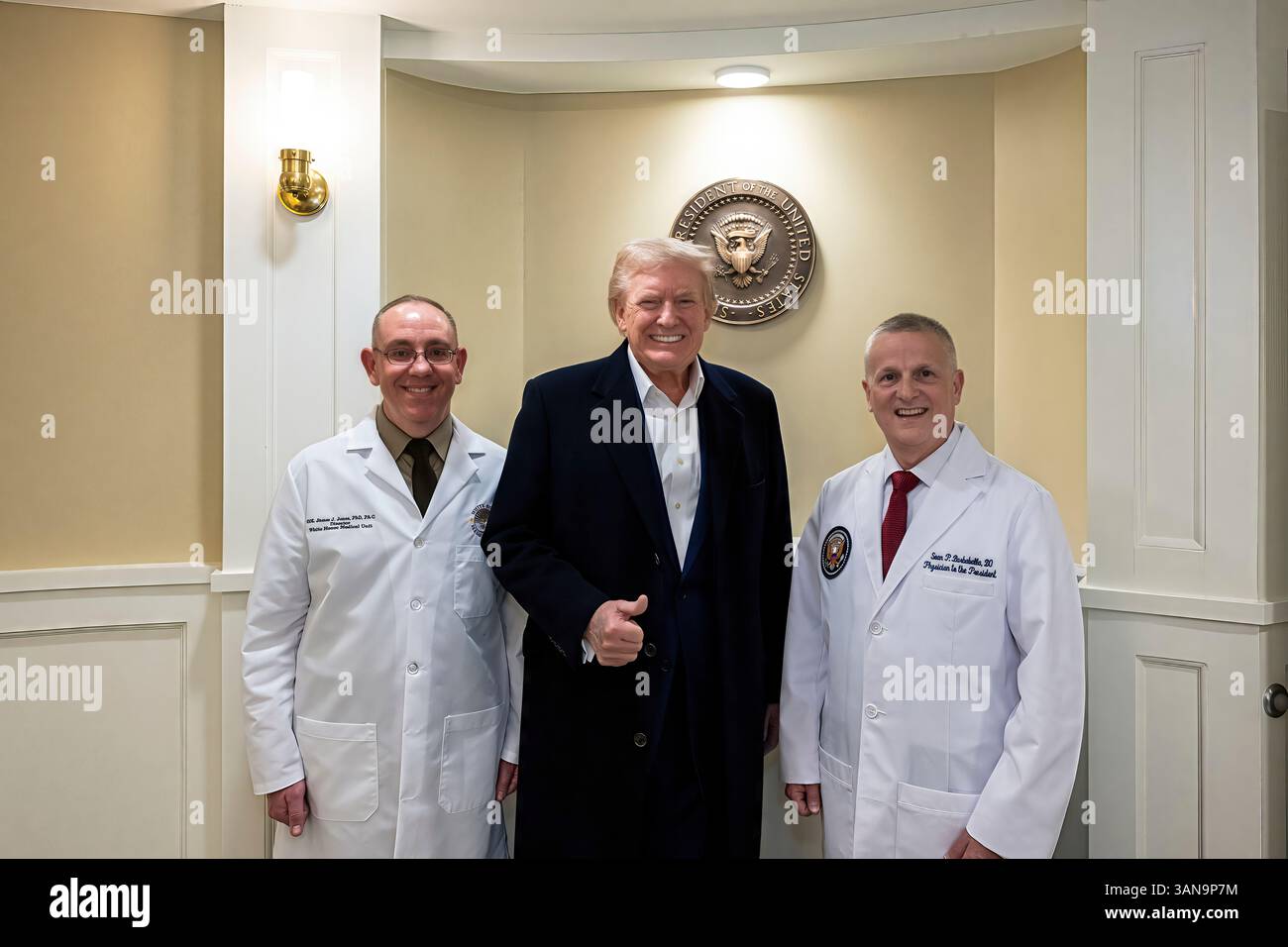
We are seeing a rise in the integration of “bio-hacking” and rigorous preventive protocols within the inner circles of power. This includes:
- Pharmacological Prevention: The strategic use of low-dose aspirin and statins to prevent cardiovascular events during high-stress periods.
- Metabolic Optimization: Strict dietary guidance and weight loss goals to reduce the load on the heart and joints.
- Advanced Imaging: Utilizing CT and MRI scans not to treat a problem, but to “rule out” issues before they become symptomatic.
Frequently Asked Questions
How is “fitness for duty” typically measured in leaders?
It usually involves a combination of physical exams (cardiac, pulmonary, metabolic) and cognitive screenings to ensure the leader can handle the physical and mental rigors of the office.
Why is cognitive testing becoming more common for older politicians?
As the average age of leadership increases, cognitive tests provide an objective way to demonstrate mental acuity and dispel rumors regarding age-related decline.
What is the role of “preventive counseling” in executive health?
It involves personalized guidance on diet, exercise, and medication (like low-dose aspirin) to prevent chronic issues from escalating into acute health crises during a term of office.
Does a “normal” cognitive score prove a leader is fit for office?
A score (like 30/30) indicates that the person is functioning within normal limits for that specific test, but “fitness” also encompasses emotional stability, judgment, and physical stamina.
Stay Ahead of the Curve
Want more deep dives into the intersection of health, power, and policy? Subscribe to our newsletter for expert analysis delivered straight to your inbox.