

WHO Director-General Warns of Ebola Outbreak Challenges in DRC and Uganda
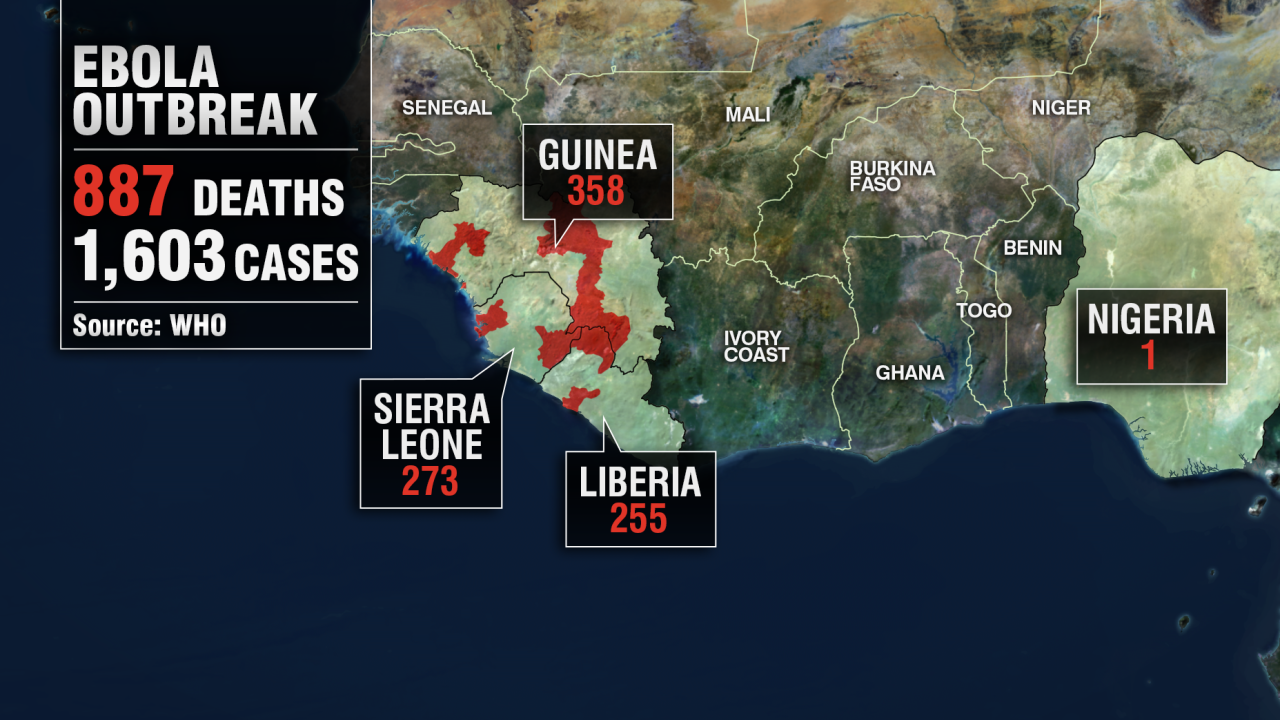
World Health Organization Director-General Tedros Adhanom Ghebreyesus reports that an Ebola outbreak in the Democratic Republic of the Congo (DRC) and Uganda has reached at least 708 confirmed cases and 141 deaths. While Uganda’s situation is largely under control, Tedros expressed concern over unchecked circulation and community mistrust in northeastern DRC.
The outbreak was declared on May 15, and Tedros designated it a public health emergency of international concern on May 17. According to Tedros in an interview with STAT, the current event is already the third largest on record.
Why is the Ebola outbreak difficult to contain in the DRC?
Community mistrust and chronic instability are hindering containment efforts in northeastern DRC. Tedros stated that some residents believe the virus is a hoax or a conspiracy created by foreign forces to make money.
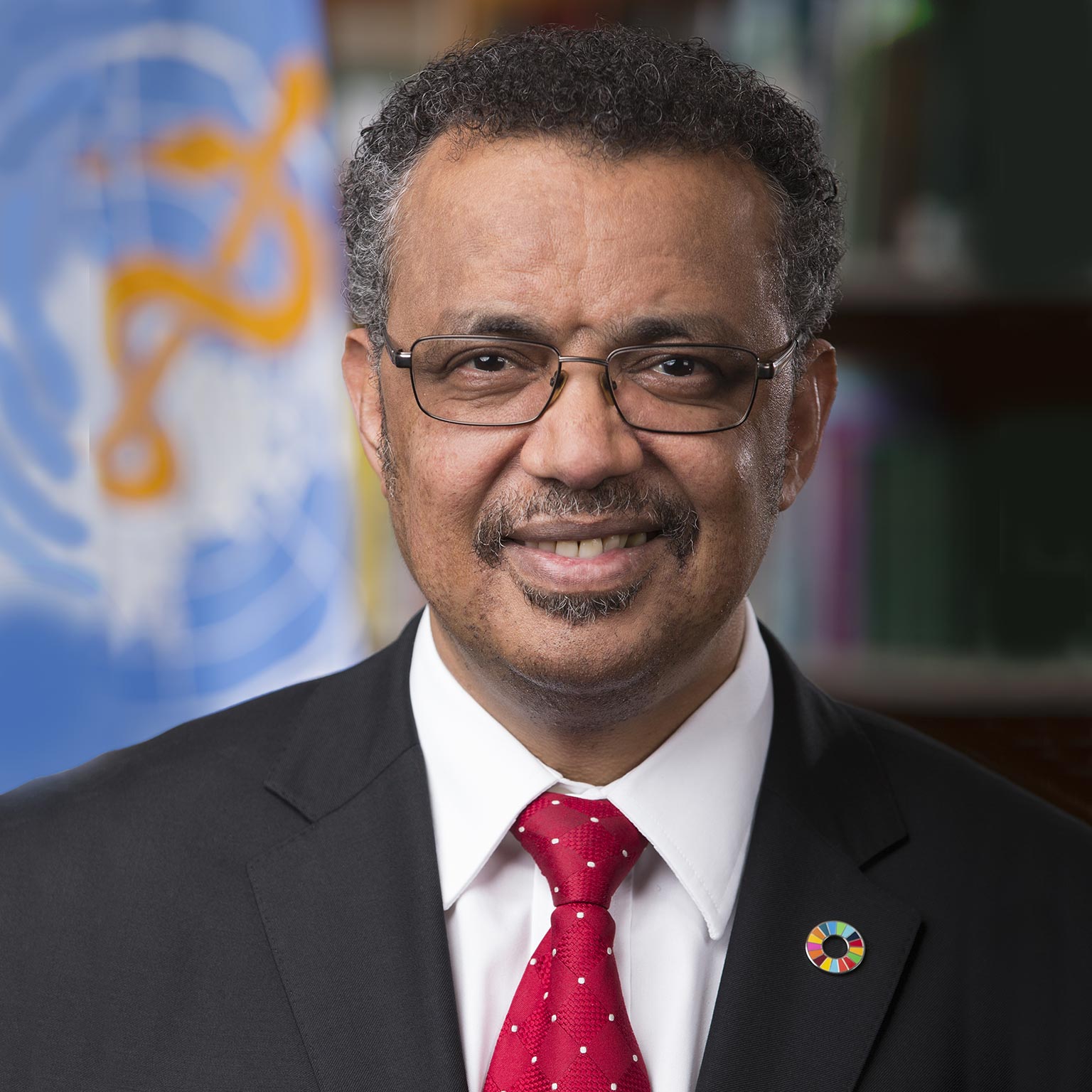
The WHO leader noted that people in the region view Ebola as a “lesser evil” compared to armed conflict, widespread hunger, and other diseases like malaria. This perception has led some to dismiss the virus as a priority.
These conditions have created a dangerous environment for health workers. WHO staff in the DRC have faced death threats, and many people are hiding known cases from officials.
How does the situation in Uganda compare to the DRC?
Uganda has managed to keep the outbreak largely under control, reporting only 19 confirmed cases and two deaths. Tedros attributed this success to the country’s political stability and significant experience in containing the virus.
In contrast, the virus is circulating unchecked in northeastern DRC. Tedros observed that knowledge from the 2018-2020 outbreak has not carried over because people are demotivated and afraid for their lives due to ongoing conflict.
What could happen next in the region?
Tedros warned that “the virus is ahead of us” due to high displacement and a lack of collaboration from the community. He suggested that surveillance may not improve if conflict continues to rage in the region.
A possible next step for containment could involve a political solution to end the chronic war. Tedros indicated that addressing other health services and providing humanitarian food aid may be necessary to gain community trust.
Future efforts may also require direct communication with various armed groups in rural areas. However, Tedros admitted that communicating with these groups is difficult because they are deep in rural areas with limited contact with the rest of the world.
Frequently Asked Questions
What are the current case and death totals for this outbreak?
There have been at least 708 confirmed cases combined in the DRC and Uganda, with 141 confirmed deaths.
Why do some people in the DRC ignore Ebola warnings?
According to Tedros, many residents believe Ebola is a hoax or a conspiracy. Others view it as a lower priority than armed conflict, hunger, and malaria, which they believe kill more frequently.
What is the target rate for contact tracing to contain the virus?
The WHO target for contact tracing is 95%, though the current rate in the affected area is approximately 50%.
How should global health organizations balance emergency outbreak responses with the need for long-term humanitarian aid in conflict zones?