
WHO Guidelines for Improving School Nutrition in Vietnam
A comprehensive report presented at a World Health Organization (WHO) meeting in May 2026 has identified schools as the primary platform for improving nutrition and establishing healthy lifelong habits among children, and adolescents. The findings highlight a critical need for systemic intervention to address the nutritional challenges currently facing youth in Vietnam.
Vietnam is currently grappling with a “double burden” of nutrition, where malnutrition and overweight or obesity coexist within the same population. According to Dr. Pham Quynh Nga of the WHO, proper nutrition is a fundamental human right and the essential foundation for physical and mental development.
The Shifting Landscape of Youth Health
Data from the National Institute of Nutrition reveals a significant shift in health trends over the last decade. In 2010, underweight rates for children aged 5 to 10 were 24.2%, and stunting among those aged 5 to 19 stood at 23.4%.
By 2020, these figures decreased to 12.2% for underweight and 14.8% for stunting. However, this progress is countered by a sharp rise in overweight and obesity rates, which climbed from 8.5% in 2010 to 19% in 2020.
Lifestyle factors are contributing to these trends. As of 2019, 33.96% of students consumed sugar-sweetened beverages at least once a day, and 17.09% ate fast food three or more times per week.
Physical inactivity is also a major concern. Only 24.1% of adolescents engage in at least 60 minutes of exercise five days a week, while 43.07% spend at least three hours a day sitting.
A Whole-School Approach to Wellness
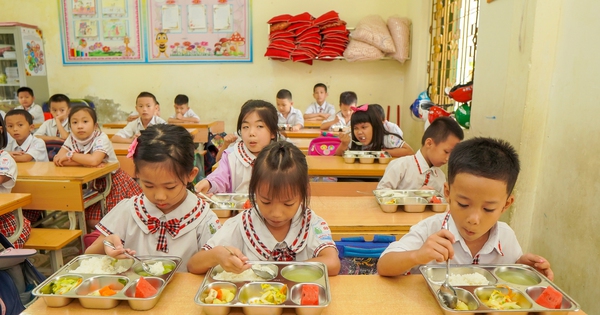
Because children spend the majority of their time in educational settings, the WHO recommends a “whole-school” approach. This strategy includes school meals, micronutrient supplementation, deworming services, and the integration of nutrition education into the curriculum.
The WHO emphasizes that healthy diets must adhere to four core principles: completeness, balance, moderation, and diversity. To encourage these choices, schools could implement psychological interventions, such as adjusting food display locations and controlling portion sizes.
To standardize these improvements, Dr. Pham Quynh Nga introduced eight global standards. These encompass government and school policies, leadership, school-community partnerships, curriculum, socio-emotional and physical environments, and health services.
Policy Frameworks and Future Outlook
The WHO recommends that Vietnam adopt “Health Promoting Schools” and apply “best buy” recommendations. This could include establishing national nutrition standards and regulating food sales in canteens and vending machines.
Further measures may involve banning the marketing of unhealthy foods to children and making nutrition labelling mandatory for packaged foods. The WHO also advocates for the provision of safe, free drinking water in all schools.
Moving forward, the success of these initiatives may depend on strengthened political will and inter-sectoral cooperation. The Ministry of Education and Training is identified as the lead agency to coordinate with the Ministry of Health and development partners.
Future progress is likely to be tracked through a monitoring and accountability system. This could include the setting of specific indicators and periodic evaluations to allow for evidence-based policy adjustments.
Frequently Asked Questions
Why are schools considered the best environment for nutrition programmes?
Because children and adolescents spend the vast majority of their time at school, making it the most effective platform to implement nutrition programmes and shape healthy habits.
What are the four key principles of a healthy diet according to the WHO?
A healthy diet should meet the principles of completeness, balance, moderation, and diversity.
Which agency should lead the effort to improve school nutrition in Vietnam?
The report indicates that the Ministry of Education and Training should serve as the central agency, coordinating with the Ministry of Health and other development cooperation agencies.
How can local communities better support the transition toward sustainable and healthy school diets?