
WHO Validates Australia’s Elimination of Trachoma
The World Health Organization (WHO) has validated Australia for eliminating trachoma as a public health problem. This milestone marks the first time WHO has confirmed the elimination of a neglected tropical disease (NTD) in the country, following decades of targeted action in remote Aboriginal and Torres Strait Islander communities.
How did Australia eliminate trachoma?
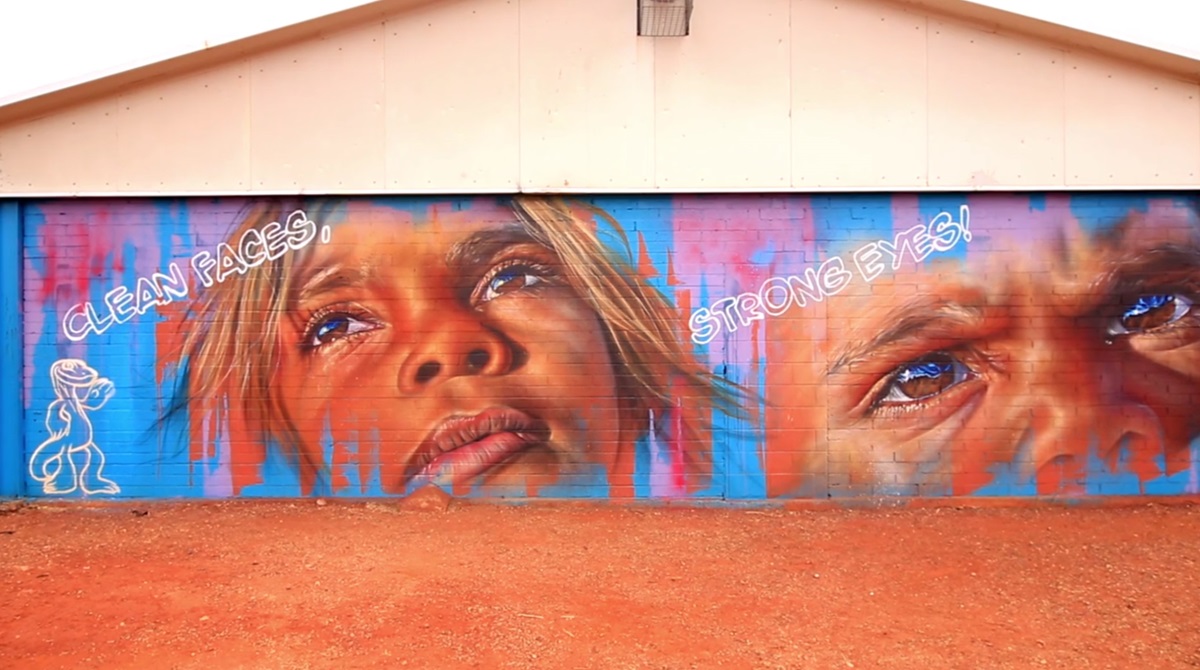
Australia achieved this status through the National Trachoma Management Programme, established in 2006. According to the WHO, the program implemented the “SAFE” strategy, which consists of surgery for trichiasis, antibiotics to treat infection, promotion of facial cleanliness, and environmental improvement.

The effort relied on coordinated partnerships between federal and state governments, local communities, and Aboriginal community-controlled health services. Qualified health workers conducted regular screening in communities classified as at-risk, while improvements in water, sanitation, hygiene, and housing contributed to the decline in prevalence.
Mark Butler, Minister for Health and Ageing, attributed the success to sustained investment and Aboriginal and Torres Strait Islander leadership. The approach used targeted treatment based on community-level data rather than mass drug administration.
Why is this milestone significant for global health?
Australia is now the 63rd country globally and the 16th in the Western Pacific Region to eliminate at least one NTD. WHO identifies 21 diseases and disease groups as NTDs, which together affect more than 1 billion people worldwide, primarily in underserved populations.
Dr. Tedros Adhanom Ghebreyesus, WHO Director-General, stated that the success reflects a focus on reaching populations most affected by health inequities. Dr. Saia Ma’u Piukala, WHO Regional Director for the Western Pacific, noted that the achievement demonstrates the feasibility of eliminating trachoma even in geographically challenging settings.
The elimination contributes to the targets outlined in the WHO road map for NTDs 2021–2030. This global initiative seeks to eliminate trachoma as a public health problem worldwide by 2030.
What may happen next in Australia’s health strategy?
The lessons learned from the trachoma program could inform how Australia approaches other preventable health conditions in regional and remote areas. Minister Mark Butler indicated that the community-led solutions and culturally safe care delivered by Aboriginal Community Controlled Health Organisations may serve as a blueprint for future interventions.
Australia may now focus on other endemic NTDs still present in the country, including scabies, leprosy, and Buruli ulcer. To maintain its trachoma-free status, the country is likely to continue strong surveillance integrated into national health systems.
Frequently Asked Questions
What is the SAFE strategy used to fight trachoma?
The SAFE strategy involves surgery for trichiasis, antibiotics to treat infection, promotion of facial cleanliness, and environmental improvements.
How is trachoma transmitted?
According to the WHO, the disease spreads through close contact with infected individuals, contaminated surfaces, and flies that carry eye and nose discharge.
Which other neglected tropical diseases are endemic in Australia?
In addition to the now-eliminated trachoma, Australia has several endemic NTDs, including leprosy, scabies, and Buruli ulcer.
How might other nations adapt Australia’s community-led health model to tackle neglected tropical diseases in their own remote regions?