
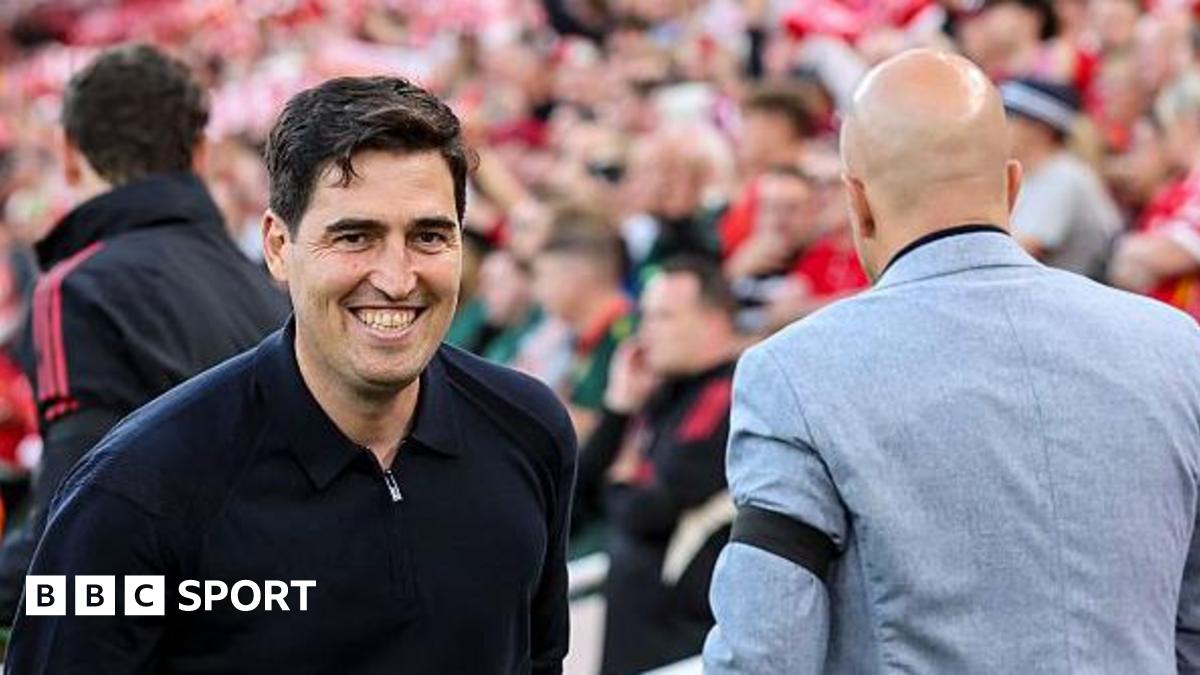
Why Andoni Iraola’s High-Intensity Style Could Suit Liverpool
The atmosphere at Anfield has reached a critical juncture, with recent performances prompting a strategic shift in the club’s leadership. Liverpool parted ways with Slot following a tenure marked by lackluster displays that frequently drew audible frustration from the home crowd.
A Search for Identity
The decline in on-pitch performance was evident to those in positions of influence. Hughes observed the toxicity of the home environment firsthand during the 1-1 draw against Chelsea in May, a match that underscored the disconnect between the team’s output and the expectations of the Anfield faithful.
Steven Gerrard recently highlighted the severity of this slump, noting that for the final 10 games of last season and the majority of this campaign, the squad failed to resemble the Liverpool of old. While the club managed to stumble into the Champions League, the style of play remained a significant point of contention.
The Iraola Blueprint
Andoni Iraola has emerged as a potential solution to restore the energy missing from the pitch. His tactical approach, which favours “chaos over organisation,” prioritizes high pressing and rapid, direct transitions. In an interview with The Sunday Times, Iraola emphasized that his players should prioritize looking toward the opponent’s keeper immediately upon recovering the ball.
Whether this high-risk, high-reward style can be successfully implemented at Liverpool remains an open question. Because Iraola is known for being meticulous with his weekly preparation routines, analysts expect that his greatest challenge may be adapting his methodology to the rapid, multi-game schedule inherent in top-tier European football.
Frequently Asked Questions
Why did Liverpool part ways with Slot?
The decision was primarily driven by the team’s style of play and a series of lackluster performances that resulted in the Anfield crowd booing the team during his final term.
What defines Andoni Iraola’s coaching style?
Iraola’s philosophy is built on high pressing, rapid transitions, and a preference for “chaos over organisation.” He encourages his players to look for scoring opportunities immediately upon recovering the ball.
What are the primary concerns regarding a potential managerial change?
The main question is whether a high-intensity style can be maintained throughout a demanding season that includes the rigors of European competition, particularly for a manager who relies on meticulous weekly routines.
Can a shift toward a more chaotic, high-pressing style successfully reignite the energy required to meet the high standards of the Anfield crowd?