
Why California’s Election Counting Process Takes So Long
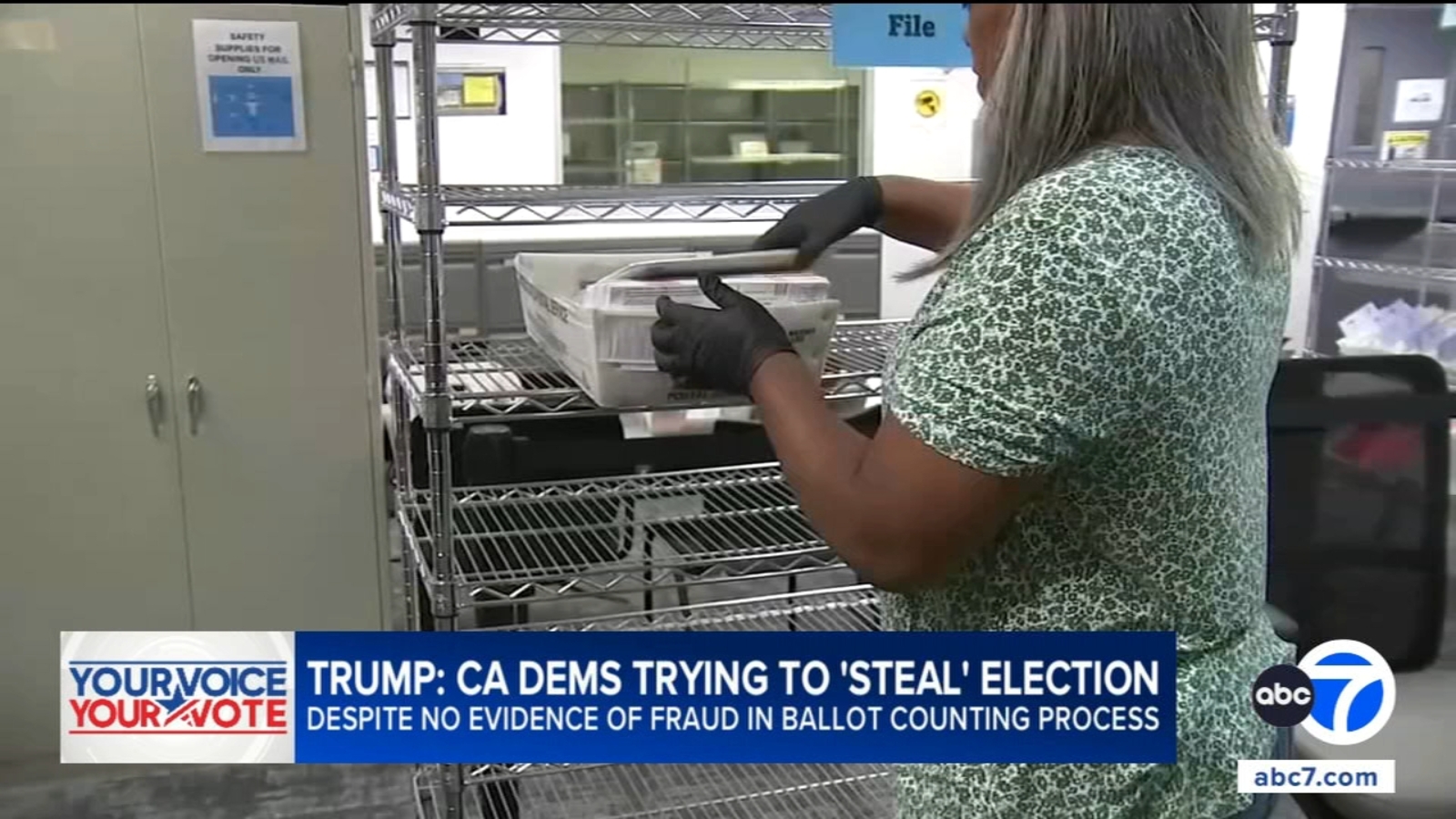
California’s vote-counting process is slow primarily because it is an all-mail state that sends ballots to all 23 million registered voters. According to Stephen Richer, former Registrar of Voters for Maricopa County, Arizona, approximately 80% of California voters use mail-in ballots, creating a massive volume of paperwork and signature validations that can take up to 30 days to process.
Why is the California vote count taking so long?
The primary cause of the delay is the state’s status as an all-mail jurisdiction. This means every single registered voter is mailed a ballot, which Stephen Richer identifies as the “main culprit” behind the slow pace.
The scale of the operation is significant, as California is the most populous state in the U.S. with 23 million registered voters. This volume requires extensive time to ensure every vote is accurately counted.
Richer notes a sharp contrast between California and other states. While about 80% of California voters use mail-in ballots, only about 15% do so in Texas, which explains the difference in counting speed.
How are mail-in ballots verified and counted?
The verification process is arduous because election workers must validate voters’ signatures. Each envelope signature must match the signatures already on file, a step that often leads to additional delays.
According to the California secretary of state, officials must count provisional ballots as well as vote-by-mail ballots that are postmarked on or before Election Day and received within seven days after the election.
County election officials have a window of up to 30 days after the election to complete their counts. For the current primary, final results must be reported to the secretary of state by July 3, 2026.
What are the implications of this counting system?
Critics have pummeled election workers over the slow process, but proponents argue the system prioritizes the voter. Richer suggests that defenders of the system value it because it is accessible and removes the need for voters to wait in line.
The goal of this approach is to give voters every possible opportunity to participate in the system. In this framework, accessibility is viewed as more important than the speed of the final tally.
What may happen next?
Election workers may continue to face criticism as they process the remaining volume of mail-in ballots. The counting process could be further impacted by the time it takes to resolve signature discrepancies.

Officials are likely to continue their verification efforts until the July 3, 2026, deadline for reporting final primary results to the secretary of state.
Frequently Asked Questions
Why does California take longer to count votes than states like Texas?
California is an all-mail state where approximately 80% of voters use mail-in ballots, compared to about 15% in Texas, creating a much larger volume of ballots to verify.
What is the deadline for the final primary results?
Final results from Tuesday’s primary must be reported to the secretary of state by July 3, 2026.
When is a mail-in ballot considered valid for counting?
According to the secretary of state, vote-by-mail ballots must be postmarked on or before Election Day and received within seven days after the election to be counted.
Do you think the benefit of increased voter accessibility outweighs the need for faster election results?