
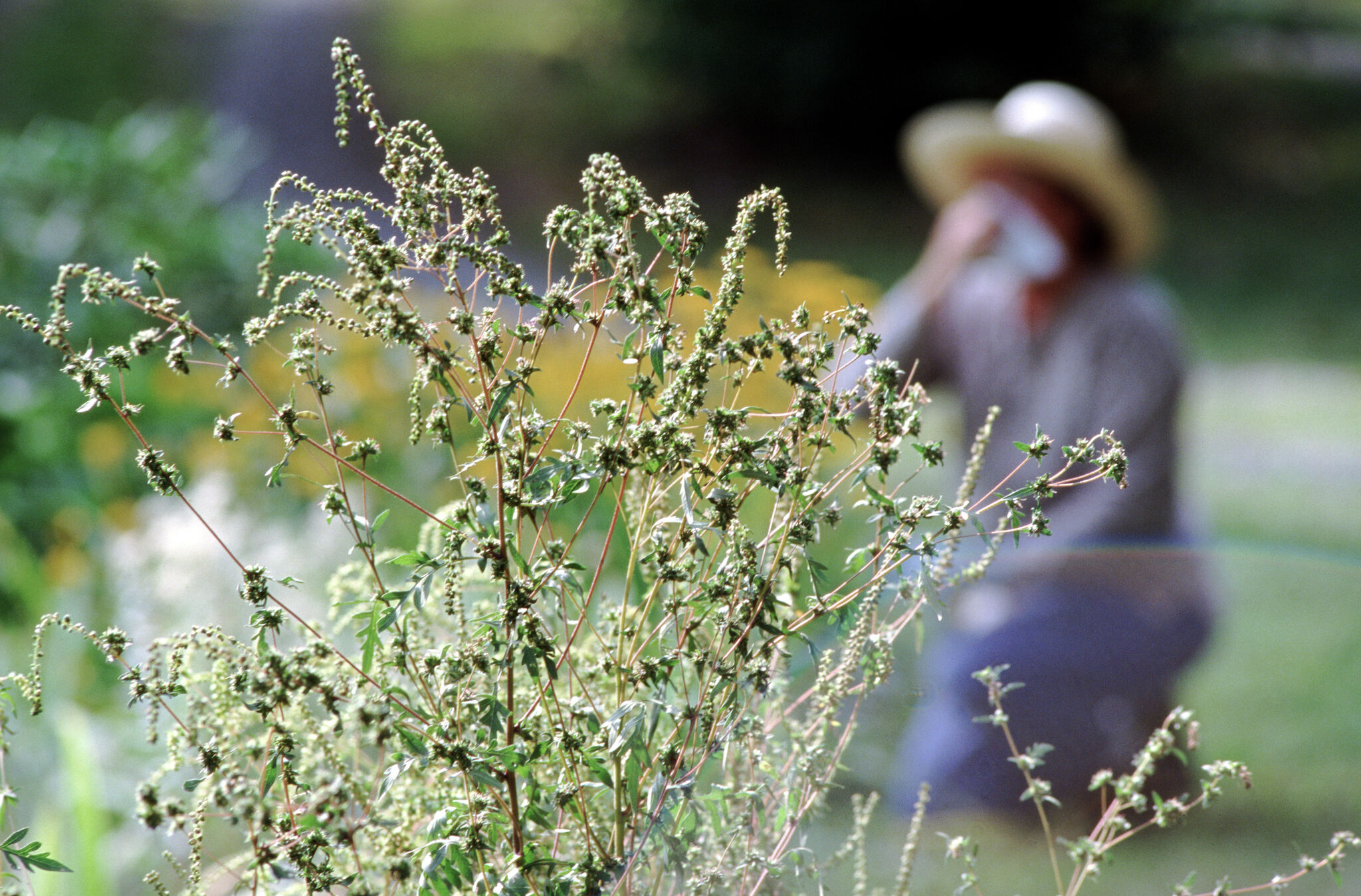
Why Connecticut’s allergy season is getting worse
For many, the sight of yellow dust coating a car or white clouds drifting through the air feels like a direct assault on the sinuses. However, experts clarify that these visible particles—often pine pollen or cottonwood seed fluff—are rarely the primary culprits behind seasonal allergy symptoms. Instead, the real discomfort usually stems from less visible but more potent triggers like birch, elm, and oak.
Dr. Gary Soffer, a specialist in pediatric allergy, immunology, and integrative medicine at the Yale School of Medicine, warns that this year is likely to be particularly difficult for allergy sufferers. The challenges are not merely a matter of perception; they are supported by data indicating that pollen seasons have lengthened by approximately 20 days since the 1990s, with total pollen concentrations rising by roughly 20%.
The Impact of Overlapping Seasons
The intensifying allergy climate is driven by more than just increased volume. We are witnessing a shift where distinct allergy seasons—spring, summer, and fall—are beginning to overlap. This creates a “double hit” for many individuals, as the lingering effects of tree pollen in the spring collide with the early arrival of grass pollen in the summer.

This phenomenon is linked to broader environmental changes. Warmer winters, earlier springs, later frosts, and elevated carbon dioxide levels are contributing to longer and more unpredictable seasons. A 2022 study by researchers at the University of Michigan suggests that these atmospheric shifts could increase total wind-borne pollen emissions by as much as 40%, further exacerbating conditions like allergic rhinitis, and asthma.
Managing the Seasonal Burden
Because allergies have become one of the most prevalent chronic diseases, effective management is essential. Dr. Soffer recommends a layered approach to defense, beginning with avoidance: keeping windows closed, using HEPA air filters, and showering after spending time outdoors to rinse away accumulated allergens.

When medication is required, the strategy often shifts away from oral antihistamines as a first-line treatment. Instead, intranasal corticosteroids like Flonase are often preferred for their efficacy, though they require time to work. For immediate relief, intranasal antihistamines such as Astepro Allergy or Astelin are often utilized. For those seeking a long-term solution, immunotherapy, or allergy shots, offers a way to retrain the immune system to stop reacting to these triggers.
What Comes Next
As these seasonal trends persist, it is likely that more patients will experience prolonged symptoms that do not respond to traditional, short-term interventions. Analysts expect that the continued increase in pollen concentration and the extension of growing seasons could lead to a higher demand for long-term immunotherapy. As the correlation between poor sleep quality and nasal obstruction becomes more widely understood, clinical focus may shift toward treating the holistic impact of allergies on a patient’s physical and emotional well-being.
Frequently Asked Questions
Are the yellow clouds of dust on my car causing my allergies?
Not typically. While visible yellow dust is often pine pollen, it is usually not the primary cause of allergic reactions. Symptoms are more commonly triggered by trees such as birch, elm, and oak.
Why are allergies getting worse in recent years?
Allergy seasons have become longer and more intense due to climate change. Factors such as warmer winters, earlier springs, later frosts, and higher carbon dioxide levels have led to a 20-day increase in season length and a 20% rise in pollen concentration since the 1990s.
What is the most effective way to treat allergies?
The first step is avoiding the allergen. Medically, experts often suggest starting with intranasal corticosteroids. Oral antihistamines are generally considered an adjunct treatment. Immunotherapy, or allergy shots, is also an effective method for retraining the immune system.
How have you adjusted your daily routine to cope with the changing intensity of allergy seasons?