

Why Employed Young Americans Are Living With Parents Amid the Affordability Crisis
A record 25.2 million U.S. adults under age 35 lived with their parents in 2025, according to data from Realtor.com. This figure represents approximately one in three young adults, marking a higher rate of cohabitation than the surge observed during the pandemic. Despite the trend, roughly 70% of those aged 25 to 34 living at home are employed, suggesting that the primary driver for this shift is a broad affordability crisis rather than a lack of professional ambition.
Did You Know? Despite the perception that young adults living at home are entirely dependent on their families, 72% of them contribute financially to their household, with 46% helping to pay rent or mortgage and 65% contributing to groceries and utilities.
Why the affordability crisis is keeping young adults at home
Young professionals are facing a combination of stagnant wage growth, job instability, and rising living costs. According to Hannah Jones, senior economist at Realtor.com, the growth in this demographic is driven by working adults rather than those seeking employment, indicating that income levels, debt loads, and housing costs are the primary barriers to independent living. Income growth for the 25 to 29-year-old bracket slowed to 5.2% in late 2025, which the JPMorganChase Institute noted is one of the lowest levels recorded since 2011.
The housing market presents a significant hurdle for those attempting to leave the nest. In 2025, the median home price in the U.S. reached $430,000, a 34.4% increase from 2019 levels. Rent prices have followed a similar trajectory, rising 17.9% to an average of $1,673 per month. A national housing shortage of approximately 4 million units is further compounding these pressures, leading researchers Seung Hyeong Lee and Younggeun Yoo to conclude that many young adults are reaching a threshold where they are beginning to abandon the prospect of homeownership entirely.
The financial strain on families
The reliance on family support is creating a ripple effect for parents. A 2026 survey from Wells Fargo found that 64% of parents with children aged 18 to 28 provide financial support, including housing or cash. For 56% of these parents, this assistance is straining their own personal finances. Emily Irwin, head of private wealth planning at Wells Fargo, noted that these young adults are trapped in a “perfect storm” of professional uncertainty and economic instability.
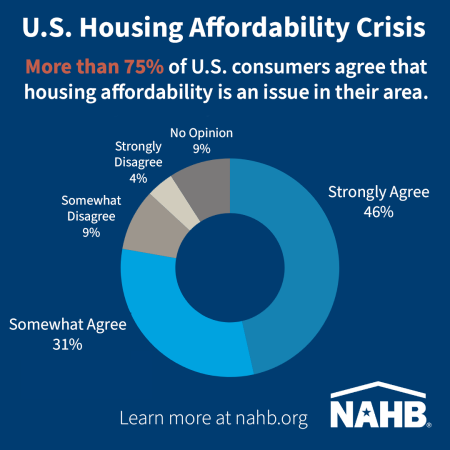
Expert Insight: The trend of young professionals remaining in the family home highlights a shift in the traditional lifecycle of American adulthood. While earlier generations often viewed the early 20s as a period for establishing independent households, the current economic environment—characterized by a 4 million-unit housing deficit and rising costs for basic staples—has forced a recalibration of these expectations. The financial trade-offs are now being felt by both the young workers, who face limited wage growth, and their parents, who are increasingly diverting their own financial resources to maintain the household.
What may happen next
If current trends continue, the reliance on multi-generational living arrangements may remain a fixture of the American housing market. Analysts expect that as long as the housing shortage persists and entry-level salary growth remains decoupled from the cost of living, the number of young adults staying in childhood bedrooms is likely to stay elevated. A possible next step for these households is an increase in shared financial responsibility, as more young workers integrate their incomes into the family budget to offset rising costs for essential goods like groceries, which have seen significant price hikes over the past year.
Frequently Asked Questions
Are young adults living at home unemployed?
No. According to data from Realtor.com, approximately 70% of 25 to 34-year-olds living with their parents are currently employed.

How much has the cost of housing increased since 2019?
According to Realtor.com, the median home price in 2025 was $430,000, representing a 34.4% increase from 2019, while average monthly rent rose by 17.9% to $1,673.
Are parents suffering financially from supporting their adult children?
Yes. A 2026 survey from Wells Fargo indicates that 56% of parents who provide financial support to their adult children report that the arrangement is straining their own finances.
How do you envision the long-term impact of extended cohabitation on the financial independence of younger generations?