
Why fermented foods are so good for your gut, and 5 ways to eat more of them
Fermented foods, defined by scientists in 2021 as products of desired microbial growth, may lower inflammation and improve blood sugar control. According to gastroenterologist Chris Damman, consuming one to three daily servings of varied fermented foods can increase gut microbiome diversity and enhance the bioavailability of essential nutrients.
What are fermented foods and how do they work?
A 2021 panel of scientists defined fermented foods as those made through “desired microbial growth and enzymatic conversions of food components.” This controlled process separates these foods from spoiled items that are altered by microbes unintentionally.
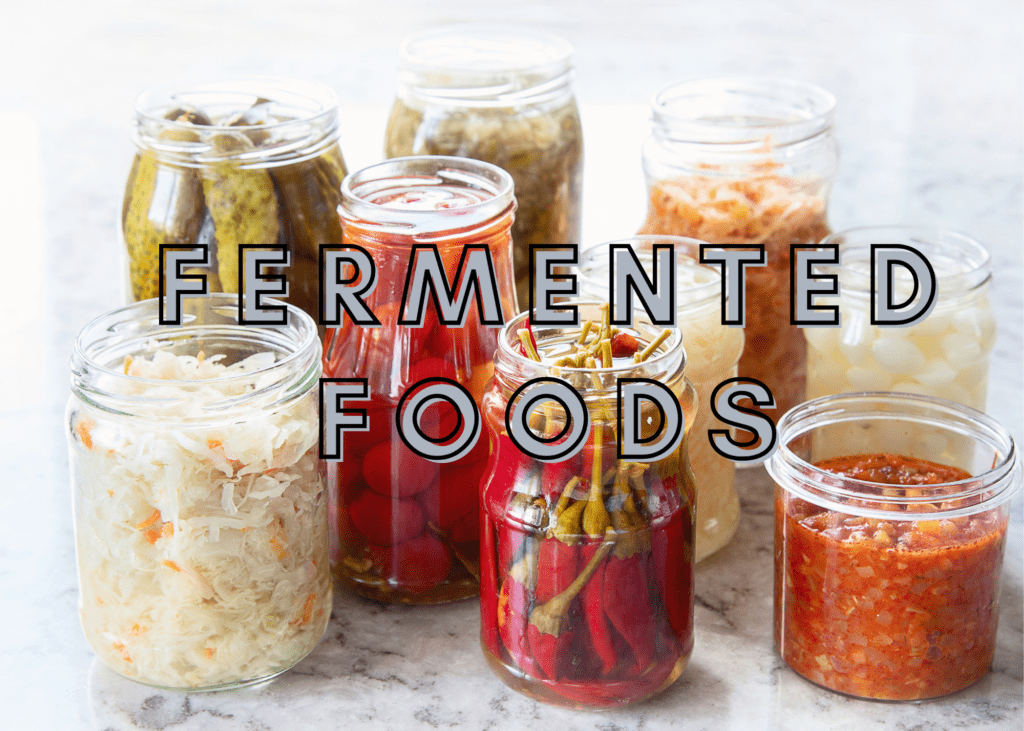
Common examples include cultured dairy, fermented beans, vegetables, wine, cider, and beer. Yogurt is produced by adding Lactobacillus bulgaricus and Streptococcus thermophilus to heated milk. These microbes convert lactose into lactic acid, creating a tart flavor and thick texture.
Studies indicate these bacteria can survive digestion to reach the small and large intestines. Once there, they inhibit intestinal pathogens and secrete beneficial compounds that influence the gut microbiome.
Why is eating fermented foods beneficial for health?
Fermented foods often contain probiotics, which are friendly microorganisms that provide health benefits. These microbes synthesize short-chain fatty acids and produce essential nutrients, including vitamins B and K.
According to the research, these foods increase the bioavailability of zinc, iron, and other minerals. This process also makes certain foods easier for the body to digest.
Increased diversity in the gut microbiome is linked to a lower risk of chronic diseases. Scientists have found that this diversity may help control blood sugar and reduce inflammation.
Do all fermented foods contain live probiotics?
Not all fermented foods contain live microorganisms. Chocolate and coffee undergo fermentation, but the microbes are destroyed during the roasting and heating processes.
Chris Damman, a microbiome and nutrition expert at the University of Washington Medical Center, states that these foods still offer benefits. Fermentation transforms polyphenols into compounds that are more bioactive and bioavailable.
Damman explains that the body struggles to absorb polyphenols when ingested on their own. The fermentation process allows the body to absorb these micronutrients more efficiently.
How can you safely incorporate fermented foods into your diet?
Damman recommends eating one to two servings of fermented foods daily, though three or more servings may be even better. He suggests eating a variety of these foods to obtain different types of probiotics and polyphenols.
Certain fermented foods, such as kimchi, sauerkraut, and pickles, can be high in sodium. People with hypertension or those on low-sodium diets should exercise caution.
Immunocompromised individuals may need to consult a healthcare provider before consumption. Live microbes in some fermented foods could potentially cause infections in people with weakened immune systems.
Healthy adults can add kefir to cereal, use kimchi as a burger topping, or substitute potato chips with plain Greek yogurt and fruit. Dark chocolate and coffee also count toward daily fermented food intake.
What happens next for those increasing fermented food intake?
Individuals who adopt a varied diet of fermented foods may likely experience changes in their gut microbiome composition. This shift could lead to improved absorption of minerals like iron and zinc.
Consistent consumption of a variety of these foods may potentially lower the risk of developing chronic diseases over time. Those with specific health restrictions may find that substituting high-sodium options for dairy-based ferments helps maintain blood pressure goals.
Frequently Asked Questions
What is the scientific definition of fermented foods?
According to a 2021 panel of scientists, they are foods made through desired microbial growth and enzymatic conversions of food components.
Do coffee and chocolate provide live probiotics?
No. While they are fermented, the microbes are killed off during the roasting and heating processes.
Who should be cautious when eating fermented foods?
People with hypertension or those on low-sodium diets should be cautious of high-sodium options like sauerkraut and kimchi. Immunocompromised individuals should consult a doctor due to the risk of infection from live microbes.
Which fermented food would you be most likely to add to your daily routine?