

Why H5N1 Bird Flu Targets Mammary Glands in Dairy Cows
H5N1 avian influenza targets the mammary glands rather than the respiratory system in dairy cows because udder tissue contains specific sialic acid receptors that the trachea lacks, according to a study by Professor Suresh Kuchipudi of the University of Pittsburgh published in Science Advances. The research explains why the virus caused necrotic mastitis in Texas cattle during the 2024 outbreak instead of typical respiratory distress.
Why does H5N1 cause mastitis in dairy cows?
The virus binds to sialic acid receptors on cell surfaces to initiate infection. According to the University of Pittsburgh research team, udder tissue is rich in both N-linked and O-linked sialic acid glycans, which allow the H5N1 2.3.4.4b clade to bind strongly.
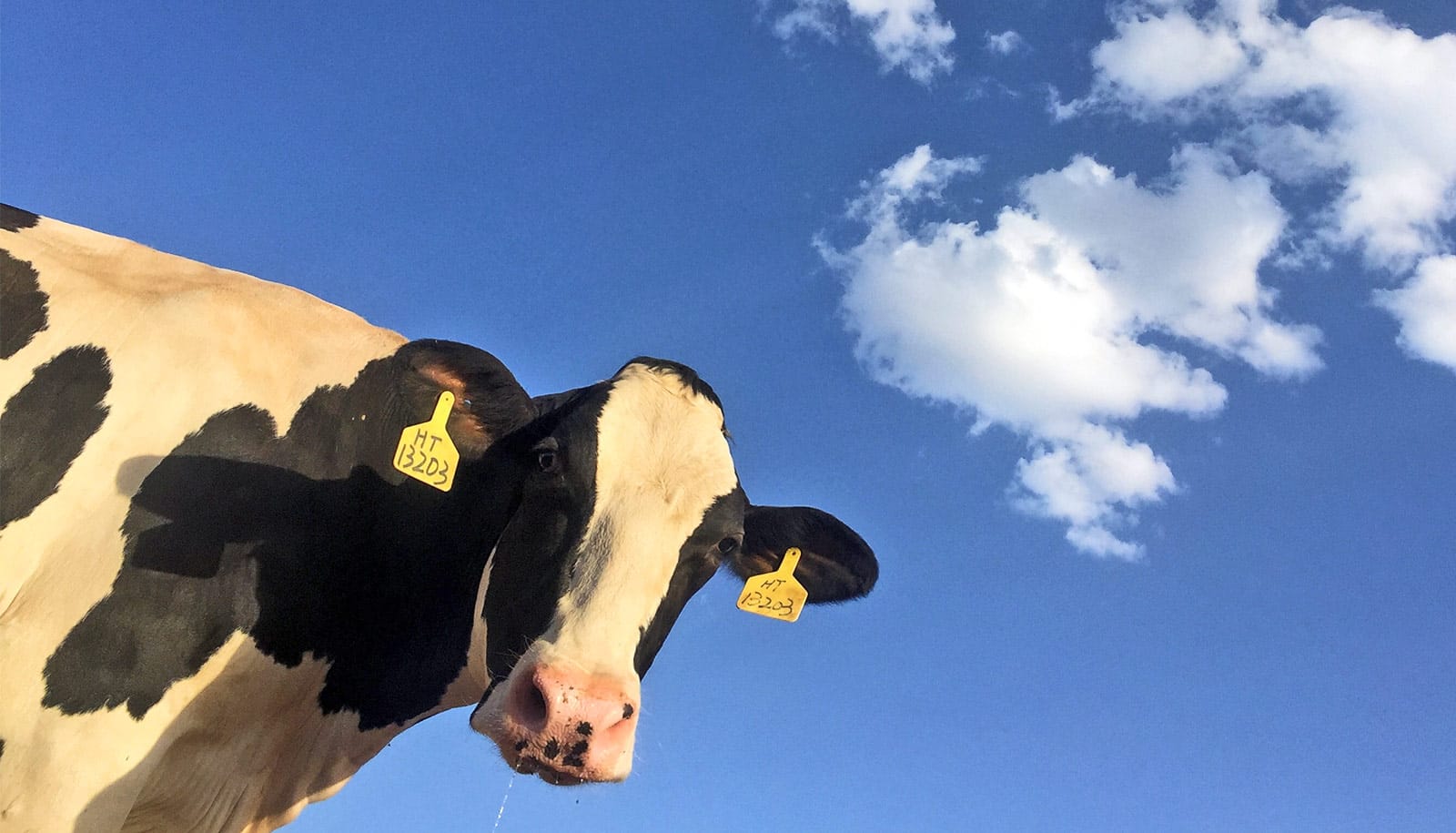
In contrast, the team found that the trachea only contains O-linked sialic acid glycans. The N-linked receptors essential for H5N1 infection were virtually nonexistent in the respiratory tract. This receptor deficiency prevents the virus from effectively colonizing the lungs or throat.
How widespread is the H5N1 infection in U.S. cattle?
The virus spread rapidly through dairy herds, often remaining undetected for weeks before official identification. By April 2025, infections were confirmed at 1,021 dairy farms across 17 U.S. states, according to the study’s data.
The research team utilized glycomics analysis and high-resolution electron microscopy to observe these patterns. Their findings confirm that the mammary epithelial cells provide an ideal environment for the virus to penetrate and multiply.
What happens next for H5N1 monitoring?
The ability to analyze receptor structures may allow scientists to predict how H5N1 behaves when it jumps to new species. This follows the first reported cases of H5N1 infection in sheep in the United Kingdom.

Professor Kuchipudi stated that analyzing the detailed structure and location of receptors, rather than just their presence, could help identify new host species early. This approach may be used to evaluate the risk of future influenza pandemics and predict if the virus will manifest as respiratory or neurological disease in different animals.
Frequently Asked Questions
Why was the H5N1 outbreak in cows difficult to detect initially?
The virus caused necrotic mastitis in the udder rather than typical respiratory symptoms, which meant it did not present as a standard influenza infection for several weeks.
What specific receptors does H5N1 use to infect cows?
The virus utilizes N-linked and O-linked sialic acid glycans, which are abundant in udder tissue but lacking in the trachea.
How many species have been affected by H5N1 globally?
According to the research, H5N1 has infected more than 100 species of birds and mammals worldwide.
How concerned should livestock owners be about the spread of avian influenza to non-bird species?