

Why Healthcare Systems Must Learn From Medical Errors to Ensure Patient Safety
In the high-stakes environment of a pediatric emergency department, the line between a routine procedure and a life-altering medical error can be perilously thin. For Dr. Nisha Narayanan, an American pediatric emergency medicine physician, this reality became deeply personal when her 11-month-old daughter, Leela, suffered a severe extravasation injury while being treated for a febrile seizure in an Edinburgh hospital.
The incident occurred when the medical team administered phenytoin, an anti-epileptic medication known to be highly toxic to tissue if it leaks from an intravenous line. Despite the physician’s professional warnings that a safer alternative, fosphenytoin, is the standard of care in most U.S. Pediatric emergency departments, the team proceeded according to their local protocol. The resulting injury led to months of intensive care, including emergent surgery, skin grafts, and the use of a wound VAC device.
The Culture of Safety and Accountability
The significance of this event extends beyond the medical error itself, highlighting a profound divergence in how health care systems process and learn from harm. Dr. Narayanan’s experience revealed that even when medical protocols are followed, the failure to acknowledge and investigate the resulting injury can prevent necessary systemic improvements. While the U.S. System is often criticized for its inequities and the pressures of litigation, it fosters a culture where harm is frequently treated as data to be analysed and solved.
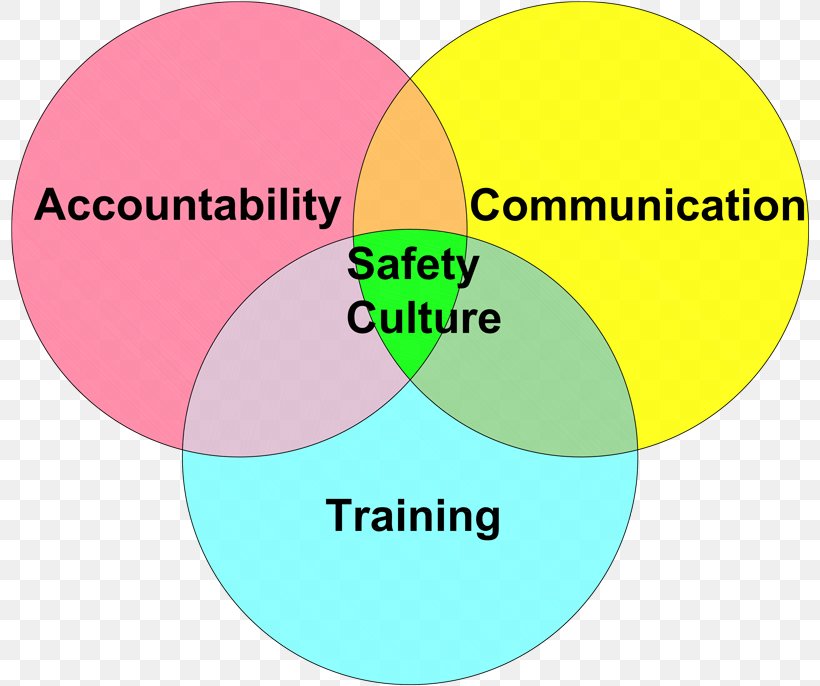
In contrast, the experience in the U.K. Facility underscored the dangers of a system where protocols, when treated as rigid rules rather than tools for clinical judgment, can mask systemic failures. When an institution concludes that “nothing went wrong” simply because the steps on a page were followed, the opportunity for collective learning is lost. This suggests that without a reflex for transparency, preventable injuries risk becoming normalized within the clinical environment.

Looking Toward the Future
The long-term implications for patients caught in systems that resist internal scrutiny could be significant. If hospitals continue to view adverse events in isolation rather than in aggregate, they may fail to identify recurring patterns of harm, such as those observed in the repeated cases of extravasation seen in local wound care clinics. Moving forward, families and clinicians will continue to face barriers when attempting to advocate for changes to established, yet potentially hazardous, protocols.
Analysts might expect that without a shift toward viewing transparency as a fundamental reflex, these systems may remain stagnant in their approach to safety. A potential next step for such institutions could involve the integration of more robust, externalized review processes that encourage clinicians to question standard practices without fear of reprisal. The future of patient safety may depend on whether health care institutions can evolve into organizations that prioritize learning from mistakes as much as they prioritize the delivery of care.
Frequently Asked Questions
What is an extravasation injury?
It is a complication that occurs when a medication, such as phenytoin, leaks from an IV line into the surrounding tissue, potentially causing severe necrosis and, in rare instances, limb loss.

Why did the physician suggest using fosphenytoin instead of phenytoin?
In the United States, fosphenytoin is the preferred treatment for status epilepticus in children because it is considered safer and carries less risk of tissue damage if an IV infiltration occurs.
How did the hospital respond to the injury?
The institution conducted an internal review and concluded that since medical protocols were followed, no error had occurred. The physician’s request for changes to prevent future injuries remained unaddressed by the facility.
How can health care systems better balance strict adherence to protocol with the clinical flexibility needed to prioritize patient safety?