

Why Japan Fans Are So Tidy at the World Cup
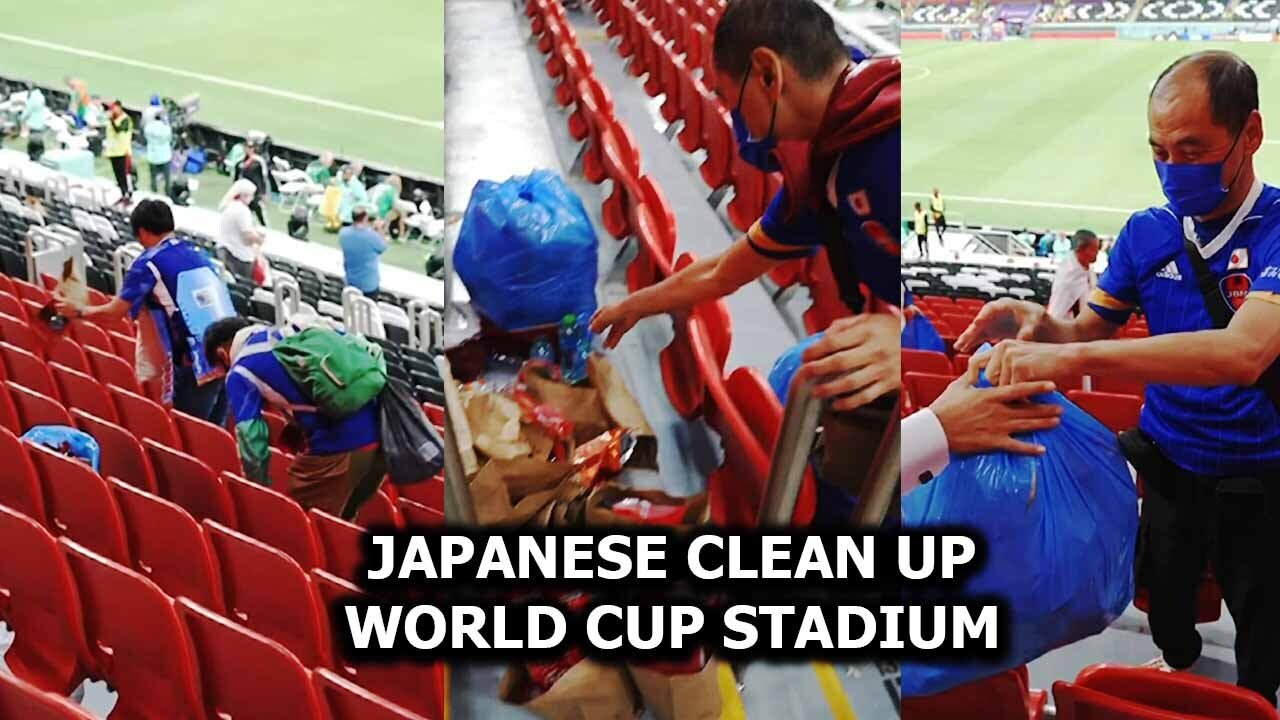
Japanese national team supporters and players have gained international recognition for their systematic cleanup of stadiums and locker rooms following FIFA World Cup matches. According to volunteer Hirokazu Tsunoda and intercultural leadership expert Nozomi Morgan, this practice is rooted in a societal expectation for cleanliness, which serves as a foundational element for broader community service and disaster relief efforts.
Cultural Roots of the Cleanup Tradition
The practice of cleaning communal spaces is instilled in Japanese citizens from a young age. Nozomi Morgan, founder of Michiki Morgan Worldwide, notes that Japanese schoolchildren are responsible for maintaining their own classrooms, a process that involves changing into “inside shoes” and using a Zokin—a hand-sewn rag—to clean desks and floors. Morgan describes this as a collective activity rather than a chore, reflecting the cultural saying, “A bird that flies never leaves a trace.”

Did You Know? Japanese schoolchildren are traditionally responsible for cleaning their own classrooms daily, using a hand-sewn rag known as a Zokin to maintain their learning environment.
Stadiums as Sacred Spaces
For fans like Hirokazu Tsunoda, who has participated in stadium cleanups since 2008, the practice is a matter of respect for the venue. Tsunoda states that a stadium is a “sacred space” rather than a place where one can leave a mess simply because they purchased a ticket. While some critics have suggested that these cleanup efforts are merely for attention or may displace professional cleaning staff, Tsunoda maintains that the practice ensures a clean environment where everyone, including volunteers, can finish their work earlier.
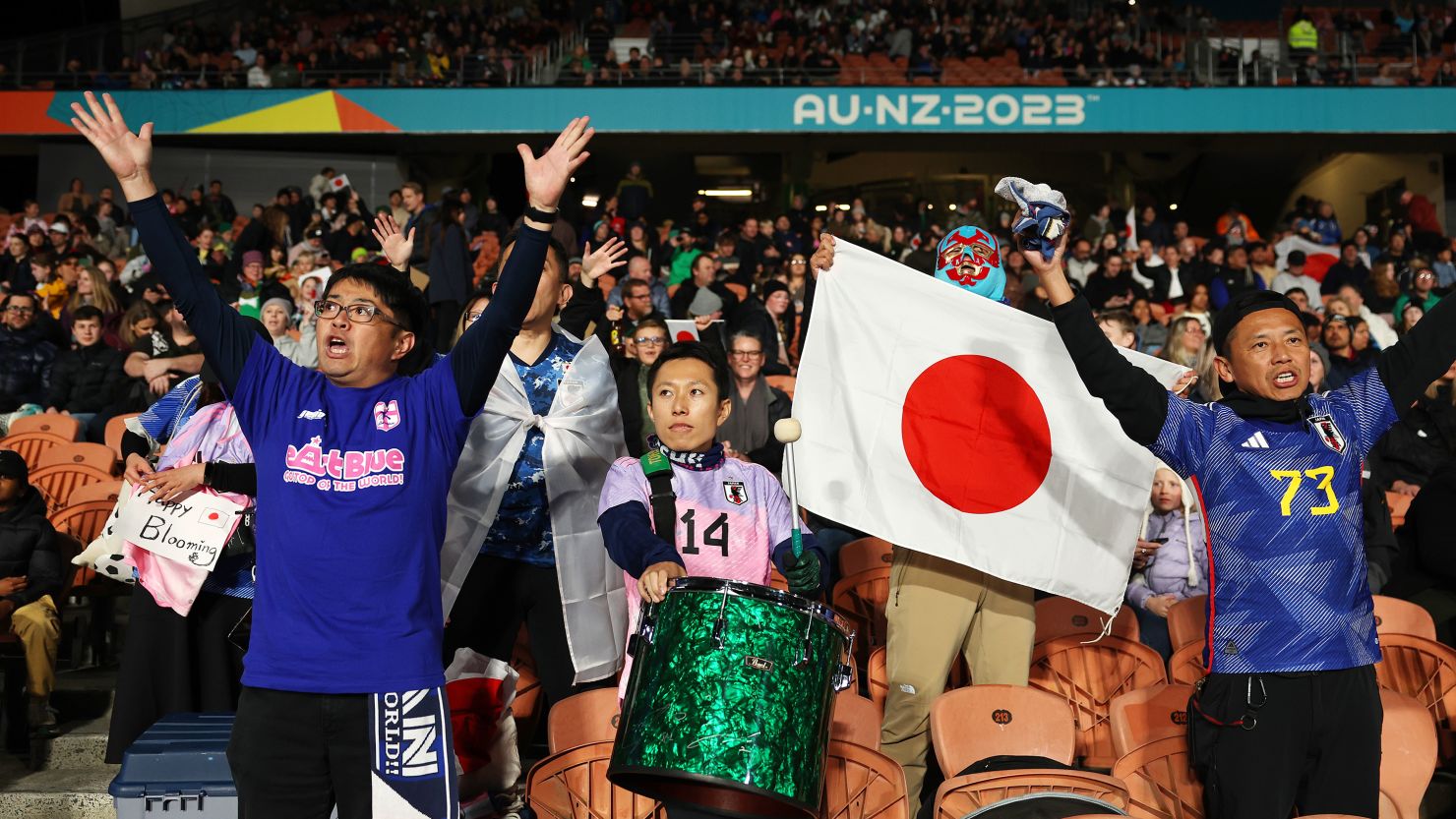
Expert Insight: The discipline shown by Japanese fans and players acts as a form of “soft power,” fostering a global perception of Japanese cultural values. By extending these domestic habits to international sporting arenas, they create a unique public identity that prioritizes communal responsibility over individual convenience.
The Impact of Collective Volunteering
The cleanup efforts have begun to influence supporters from other nations. Tsunoda reports that at recent tournaments, non-Japanese fans have increasingly joined the cleanup, a trend he encourages through verbal praise. Beyond the stadium, Tsunoda views these actions as a “gateway” to larger charitable contributions. He has utilized community fundraising to bring children impacted by the 2024 Noto Peninsula earthquake to international matches, viewing the simple act of picking up litter as the most accessible form of “patching over someone else’s problem.”
What May Happen Next
As the international community continues to observe these efforts, it is likely that the “stadium cleanup” phenomenon will remain a hallmark of Japanese sports culture. Analysts expect that as more non-Japanese fans participate, the practice could become a standardized element of the fan experience in future global tournaments. Furthermore, the model of using stadium volunteering as a bridge to disaster relief and community aid may serve as a template for other national fan groups seeking to establish a positive legacy at future World Cup events.
Frequently Asked Questions
Why do Japanese fans clean up after matches?
According to Hirokazu Tsunoda, it is a way to show respect for a “sacred space” and is a behavior rooted in a lifelong societal expectation to leave no trace behind.
Do the players participate in these traditions?
Yes, the Japanese national team has left their locker rooms spotless after matches in the 2018 and 2022 tournaments, leaving behind thank you notes and origami cranes.
How does this affect local stadium staff?
Tsunoda states that the efforts help ensure the stadium is cleaned efficiently, allowing volunteers and professional cleaning staff to complete their duties and leave earlier.
How might the global sports community adopt or adapt these habits of communal responsibility in the future?