

Why Japan’s intervention and a rate hike didn’t prop up the yen more
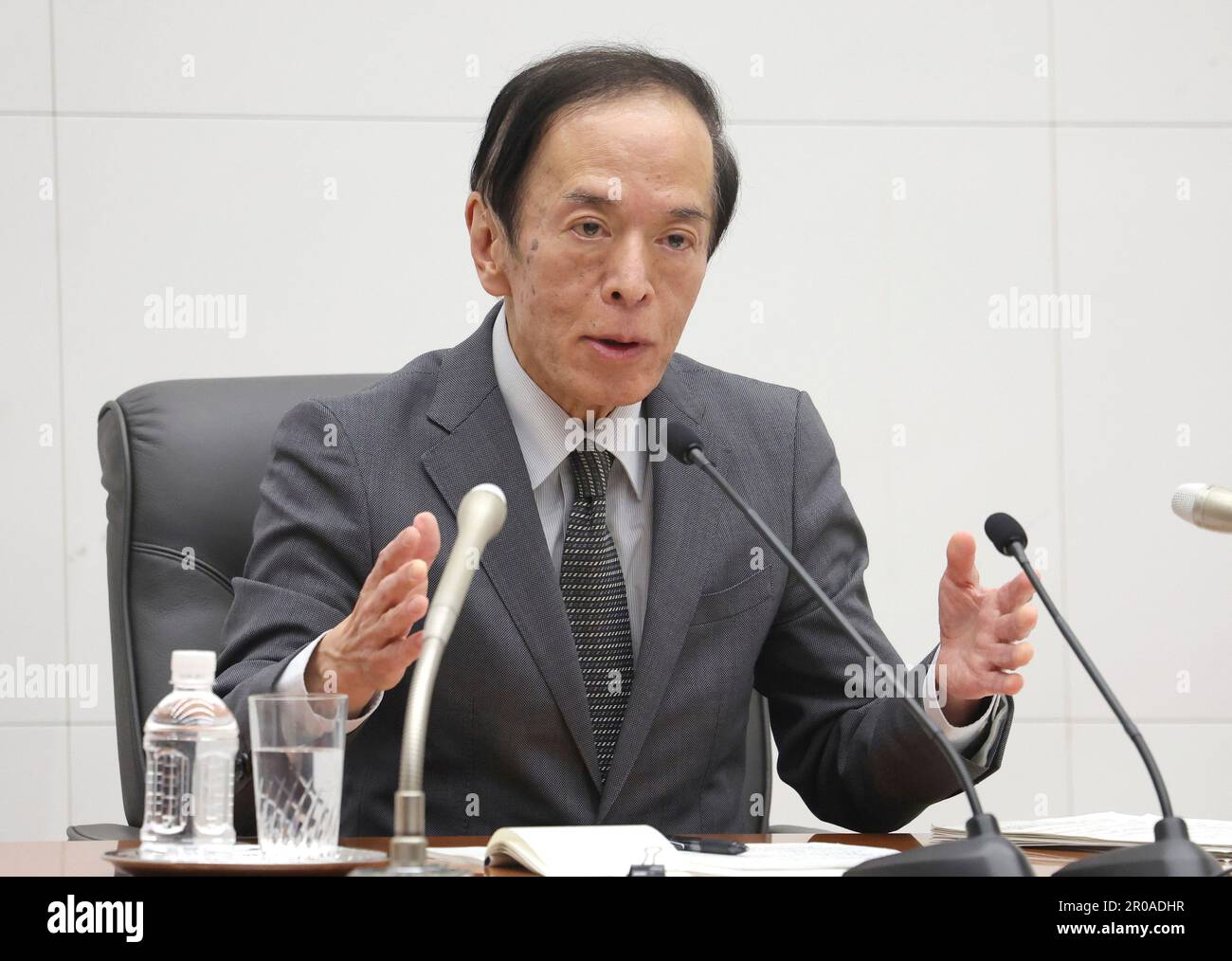
The Japanese yen rose Monday after Bank of Japan Governor Kazuo Ueda indicated the possibility of a near-term rate hike. Despite the deployment of 11.7 trillion yen ($72.8 billion) in foreign reserves between April and May and policy rates hitting a three-decade high, the currency remains near the 160 level against the U.S. dollar.
Why is the yen remaining weak despite interventions?
Structural factors and interest rate gaps continue to pressure the currency. Naka Matsuzawa, chief strategist for market strategy research at Nomura, stated in a Wednesday note that high U.S. bond yields keep “carry trades” attractive. This occurs when investors borrow in low-interest currencies like the yen to invest in higher-yielding assets.
Current data shows a significant yield gap: 10-year Japanese Government Bonds (JGBs) stand at 2.64%, while 10-year U.S. Treasury yields are at 4.451%. Masahiko Loo, senior fixed income strategist at State Street Investment Management, described the recent rate hike as a “Band-Aid on a bullet wound” because the move was widely expected by the market.
How is Japanese politics influencing currency value?
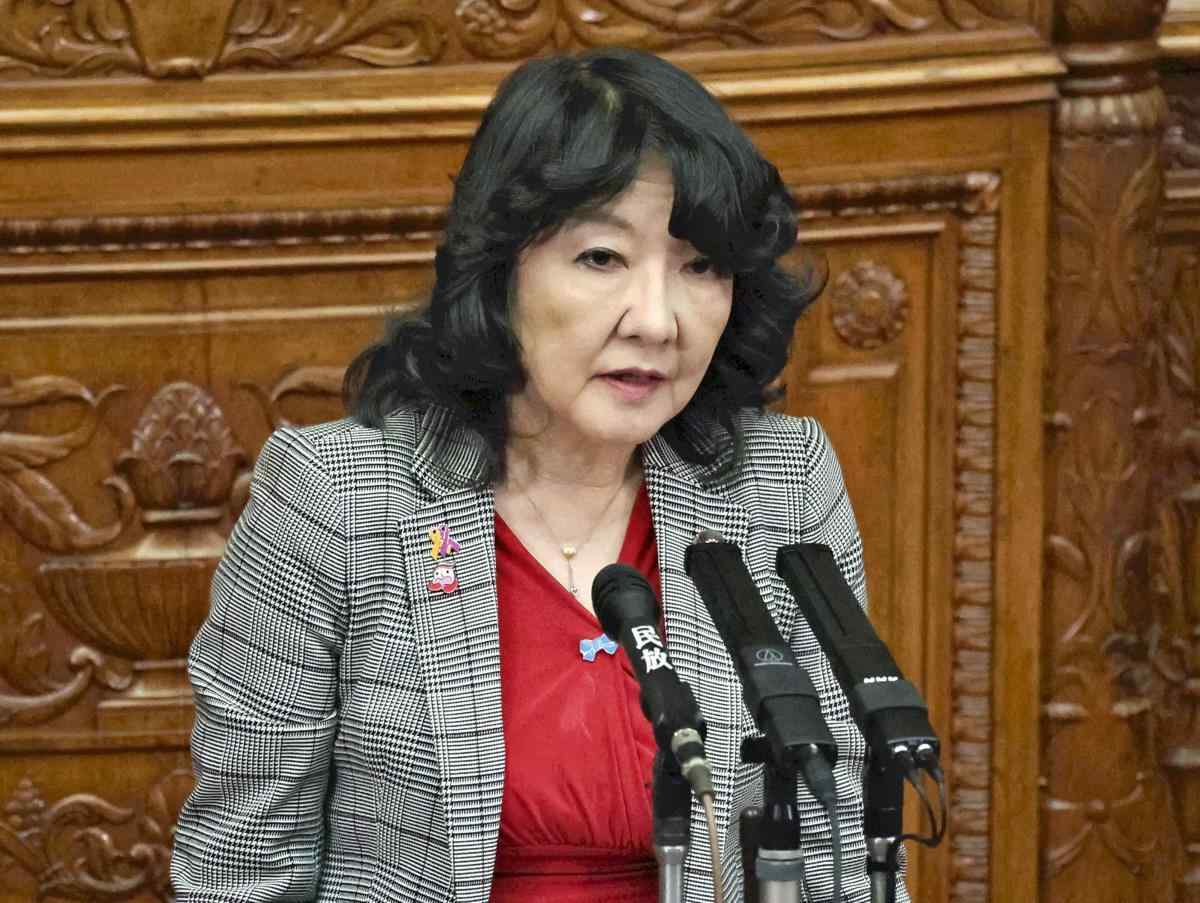
The administration of Prime Minister Sanae Takaichi favors a reflationary stance and easy monetary policy to drive growth, which Matsuzawa says clouds the policy outlook and limits fund inflows. This political direction is reflected in Bank of Japan (BOJ) appointments.

In February, the prime minister nominated two academics with dovish views to the BOJ board. Toichiro Asada, a reflationist who advocates expansionary fiscal and monetary ideas, cast the sole dissenting vote against Tuesday’s rate hike. Ayano Sato, also a reflationist, is scheduled to join the board at the end of June, succeeding Junko Nakagawa.
What could happen to the yen next?
Short-term intervention remains a possibility. Matsuzawa noted that speculative short JPY positioning has risen beyond the levels seen before the Golden Week interventions. Hirofumi Suzuki, head of research group at Sumitomo Mitsui Banking Corporation, told CNBC that authorities are currently monitoring price action to curb volatility and deter speculative selling.
External geopolitical shifts may also impact the currency. A deal between the U.S. and Iran that resolves the Middle East war and resumes shipments via the Hormuz Strait could reduce energy import bills for Japan. Because Japan buys dollars to purchase energy, lower prices may reduce currency pressure.
Longer-term support for the yen could come from capital inflows. Loo suggested that AI-related investments, a technology-driven Nikkei rally, and foreign interest in Japanese equities may attract more capital into the country.
Frequently Asked Questions
What is a carry trade in the context of the yen?
According to Nomura’s Naka Matsuzawa, carry trades involve investors borrowing money in a currency with low interest rates, such as the Japanese yen, and investing that capital into assets with higher yields elsewhere.
Why was the recent rate hike considered ineffective by some analysts?
Masahiko Loo of State Street Investment Management stated the hike was widely expected, meaning it lacked the surprise necessary to significantly impact the currency’s trajectory.
How does energy importation affect the yen?
Japan’s heavy reliance on imported energy, combined with elevated prices due to the Iran war, pressures the yen because the country must purchase dollars to pay for these energy imports.
Do you believe structural economic factors or political appointments have a larger impact on currency stability?