

Why Monte Carlo street circuit could be best of new regulations, Ferrari victory chances
The Monaco Grand Prix is more than a race; it is the heartbeat of Formula 1 mythology. Since its inception in 1929 and its inclusion as a foundation event for the 1950 world championship, the circuit has remained an anachronism that the sport refuses to abandon. Spanning just 3.337 kilometres, the track is defined by its impracticality, squeezing into 0.13 square kilometres of land between the Maritime Alps and the Mediterranean, where the lack of space forces garages into multi-storey structures and relocates the paddock to a harbour quay.
Did You Know? The Monaco Grand Prix is the shortest circuit on the F1 calendar and held the record for the slowest average winning speed last year at 155.3 kilometres per hour.
A Technical Test of Precision
Monte Carlo demands a level of exactness unmatched by any other venue. Drivers must navigate 19 serpentine corners 78 times, requiring near-perfect concentration for two hours. Because the track is too narrow for two cars to run side-by-side in many sections, qualifying serves as the most critical hour of the season, often determining the race winner long before Sunday’s lights go out.
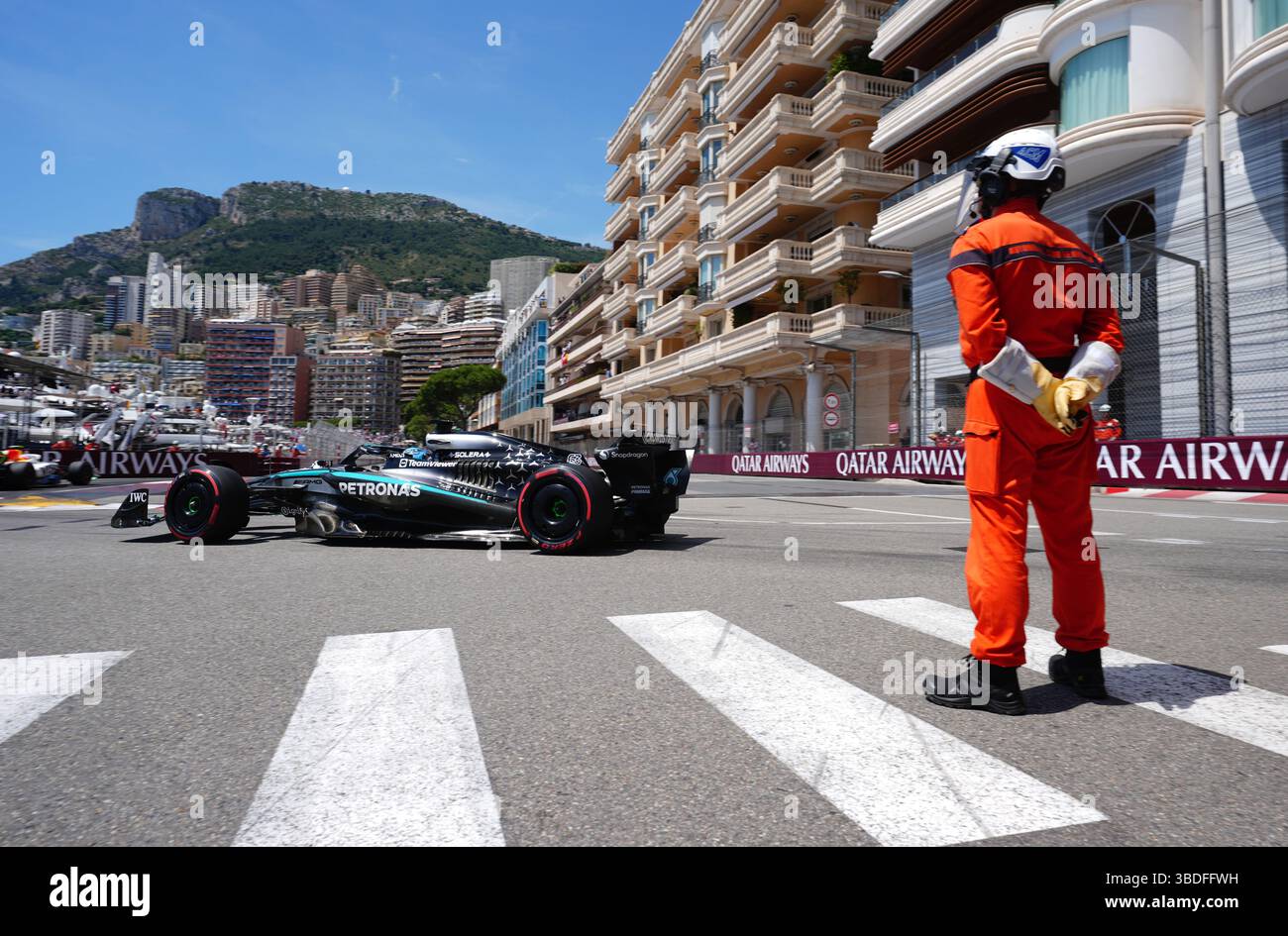
The 2026 season presents a unique dynamic for this iconic street circuit. With the current hybrid power units often struggling on high-speed tracks, Monaco’s slow, twisty layout acts as an “energy-rich” environment. Drivers will have ample opportunities to recharge their batteries, potentially allowing for a more aggressive racing display than the four overtakes seen during last year’s event.
Expert Insight: The introduction of the “overtake mode”—which allows for an extra 0.5 megajoules of battery charge—could redefine the competitive landscape in Monaco. By tapering electrical power at 200 kilometres per hour for the lead car while granting the trailing car an extra 150 kilowatts, the FIA has created a technical scenario where, for the first time, we may see a significant shift in how drivers manage attack and defense in the principality.
The Battle for Supremacy
The field appears wide open as teams arrive in Monte Carlo. Ferrari enters the weekend with optimism, as their car’s strengths—acceleration, traction, and vehicle dynamics—are well-suited to a track that deprioritizes pure engine power. Lewis Hamilton and Charles Leclerc have both historically performed well here, and the team’s smaller turbo setup has provided a consistent advantage in starts this season.
McLaren remains a formidable challenger, carrying a potential advantage through their choice of shorter gear ratios, which favor acceleration over top-end speed. While Red Bull Racing has struggled with ride quality, a critical factor for success on bumpy street circuits, the team’s performance remains a variable. Mercedes, led by Andrea Kimi Antonelli and George Russell, also enters the weekend with a well-rounded package that could keep them in the fight for the podium.
Frequently Asked Questions
Why is the Monaco Grand Prix considered so important to Formula 1?
It is a foundation event of the world championship dating back to 1950 and is synonymous with the history of the sport, representing a direct connection between the present and the past.

How does the 2026 engine regulation change affect racing in Monaco?
The circuit’s layout, which requires over 50 gear changes and has few long straights, allows cars to recharge batteries efficiently. This makes the circuit “energy rich,” which may allow for more aggressive driving and potential overtaking compared to previous seasons.
Why is qualifying so crucial at this circuit?
Overtaking is notoriously difficult due to the narrow nature of the track. Historically, the race winner is often decided by the outcome of Saturday’s qualifying session rather than Sunday’s race action.
Do you believe the technical adjustments for 2026 will successfully overcome the historical lack of overtaking in Monaco?