

Why Montreal Police Need a #MeToo Moment to Address Systemic Racism
Montreal Police Chief Fady Dagher announced he expects a surge in public complaints regarding police conduct following the recent exposure of alleged racist behavior within the Service de police de la Ville de Montréal (SPVM). Drawing a parallel to the #MeToo movement, Chief Dagher stated that once initial examples of misconduct are exposed and met with consequences, public discourse typically follows.
Did You Know? In the Plateau Mont-Royal borough, a Black person is 15 times more likely to be stopped by police than a white person, according to data cited by criminologist Massimiliano Mulone.
Why the comparison to #MeToo matters
The current crisis within the SPVM shares structural similarities with the #MeToo movement, according to observers. Both situations involve systemic issues, a culture of silence, and the tendency of institutions to dismiss widespread problems as the actions of “a few bad apples.”
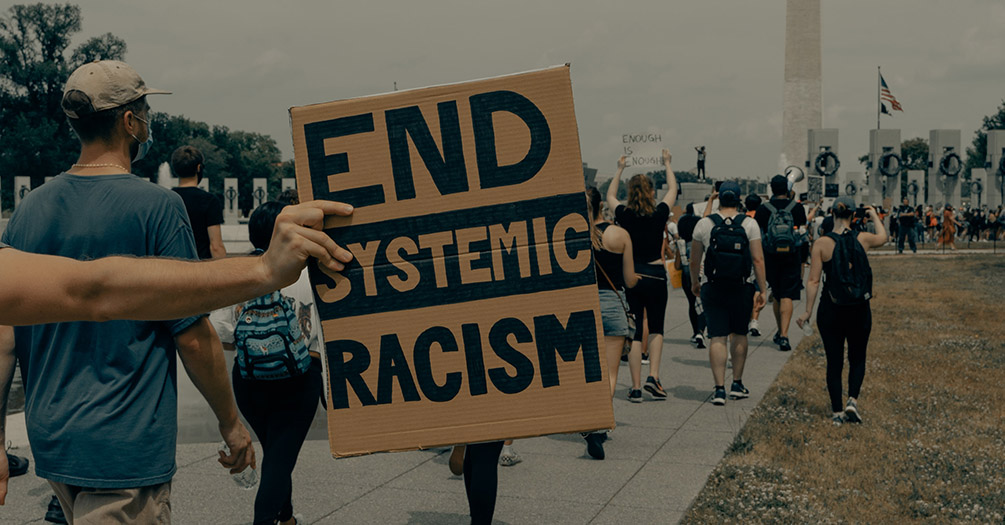
While the Quebec government has acknowledged that the allegations involve more than a few isolated incidents, there remains significant resistance to investigating the systemic nature of the issue. Experts like Massimiliano Mulone, a professor at the University of Montreal, argue that the focus should extend beyond specific neighborhoods or individual police stations to address the root causes of racial profiling.
Expert Insight: The call for independent investigation
Expert Insight: Samantha Carter notes that the demand for a public inquiry represents a critical inflection point for the SPVM. By moving beyond internal reviews, such an inquiry could provide the transparency required to restore public trust. However, the success of such an effort depends on whether the administration is willing to move past the “bad apple” narrative and accept that the issue is embedded in institutional practices.
What could happen next
A possible next step involves the implementation of a moratorium on police stops that are not linked to a specific crime or reasonable suspicion of illegal activity. Researchers previously recommended this approach to the SPVM in 2023, noting that such stops disproportionately target young Black and Arab men aged 15 to 34.
Although the SPVM previously rejected this recommendation, preferring to address the issue through internal cultural transformation, the current crisis may force a reconsideration. Analysts expect that if the SPVM continues to rely on discretionary stops, the relationship between the police and marginalized communities will likely remain strained, potentially discouraging residents from reporting actual crimes.
Frequently Asked Questions
What was the main recommendation of the 2021 report on SPVM practices?
The report recommended that the SPVM cease all police stops that are not justified by the investigation of a specific crime or a reasonable suspicion of illegal activity.
Why do researchers believe these stops are problematic?
Researchers found that arbitrary stops produce racial discrimination, unfairly targeting minority groups and creating a cycle of distrust that undermines community safety.
Has any other jurisdiction implemented such a moratorium?
Yes, Nova Scotia implemented a moratorium on random police stops in 2019 following research findings similar to those identified in Montreal.
Do you believe a public inquiry is the necessary step to address systemic issues within the police force?