
Why People Cry on Airplanes: The Mile Cry Club Explained
The “Mile Cry Club” is a phenomenon where passengers become unexpectedly emotional during flights. According to research from the University of Washington and surveys via PeerJ, this is caused by a combination of lower cabin pressure, increased stress hormones, and high emotional stimuli rather than just the content of in-flight movies.
Why do people cry on airplanes?
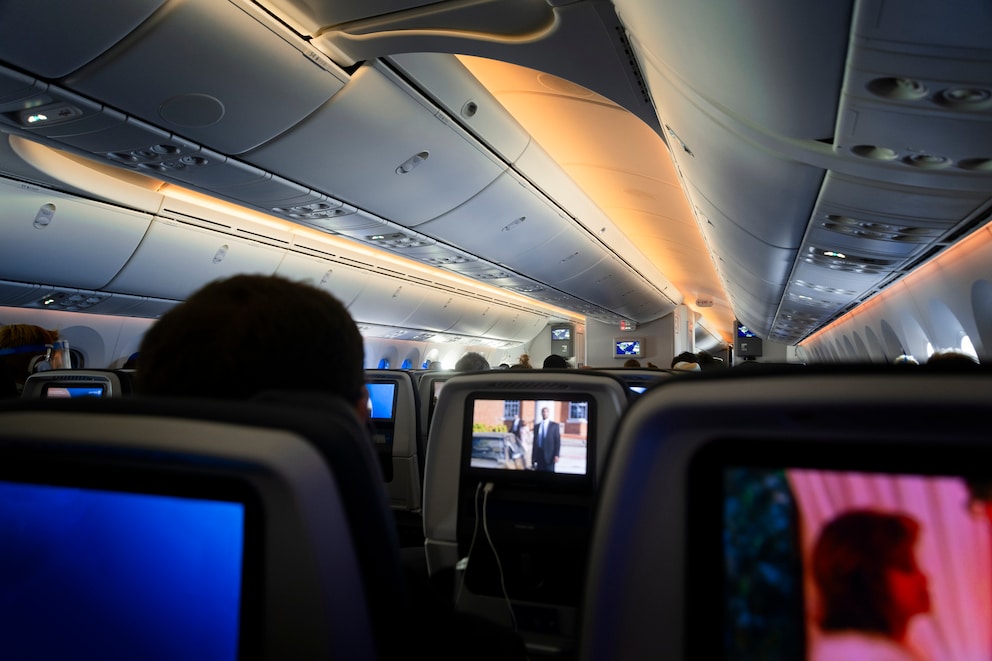
The content of onboard entertainment is not the primary driver of flight-time tears. A study by the University of Washington found that the specific films passengers watch do not play a decisive role in triggering these emotional responses.
Physical conditions in the cabin are more influential. Lower cabin pressure reduces the amount of oxygen transported through the blood, which can lead to fatigue, confusion and a diminished ability to control emotions. The constant noise level on a plane also strains the nerves, making passengers more susceptible to emotional outbursts.
How does stress affect flight emotions?
Psychological stress at high altitudes increases emotional sensitivity. US psychologist Jodi De Luca told the Anchorage Daily News that some passengers experience anxiety that something bad might happen during the flight.
This fear triggers the brain to release stress hormones. These chemicals increase heart rate and muscle tension, which De Luca says can make people more prone to crying. She emphasizes that this is not just a psychological event, but a physical one as well.
What other factors contribute to the “Mile Cry Club”?
A combination of environmental stressors often peaks simultaneously. Passengers deal with limited space, uncomfortable seating, poor food, and a perceived loss of control over their situation.
Researchers writing for PeerJ concluded that affected individuals are likely exposed to a “strongly increased amount of emotional stimuli.” For example, a passenger on a long-haul flight might watch several sad movies in succession, confronting more moving scenes than they would in daily life.
How can travelers prevent emotional outbursts?
The ability to regulate emotions is restricted in high-stress environments. Because of this, Jodi De Luca recommends that travelers plan relaxation strategies before the flight begins.
Suggested tools for emotional regulation include using puzzle books, playing video games, or using a cozy blanket. These activities can help mitigate the impact of a stressful cabin environment.
Future travel experiences may see more passengers adopting these self-soothing techniques to manage the physical and mental pressures of high-altitude flight.
Frequently Asked Questions
Does the movie I watch cause me to cry on a plane?
According to a University of Washington study, the content of the films is not the decisive factor, though watching multiple emotional films in a row can increase the total amount of emotional stimuli.
What physical factors contribute to the “Mile Cry Club”?
Lower cabin pressure leads to less oxygen in the blood, causing fatigue and reduced emotional control. Additionally, constant noise levels can stress the nerves.
What can I do to avoid becoming overly emotional during a flight?
Psychologist Jodi De Luca suggests using relaxation strategies such as puzzle books, video games, or a cozy blanket to help regulate emotions in a stressful environment.
Have you ever experienced the “Mile Cry Club” during a flight?