Why Santa Barbara Must Reopen State Street to Restore Economic Vitality
The State Street Business Alliance is urging the Santa Barbara City Council to reopen State Street to vehicular traffic, arguing that a “temporary” COVID-19 era closure has persisted for six years. Business owners report significant declines in visitation and property values, calling for the immediate repeal of Title 31 to restore the city’s main transportation artery.
According to the State Street Business Alliance, the closure began as an emergency response to the pandemic. The group states that the city used Title 31 to provide temporary flexibility by suspending normal regulatory procedures and eliminating Historic Landmarks Commission design reviews.
The Alliance claims the city has used this emergency starting point to implement a permanent transformation rather than returning the street to its pre-pandemic condition. They argue that the burden of proof has shifted, forcing those who want to restore the street’s historic function to justify reopening it.
Why are Santa Barbara business owners calling for the reopening?
Local entrepreneurs report severe economic losses tied to the lack of vehicle access. Patrick Casey, a downtown plaza business owner, states that visitation has decreased by an average of 40% over the last six years, noting that sales tax and foot traffic have declined.

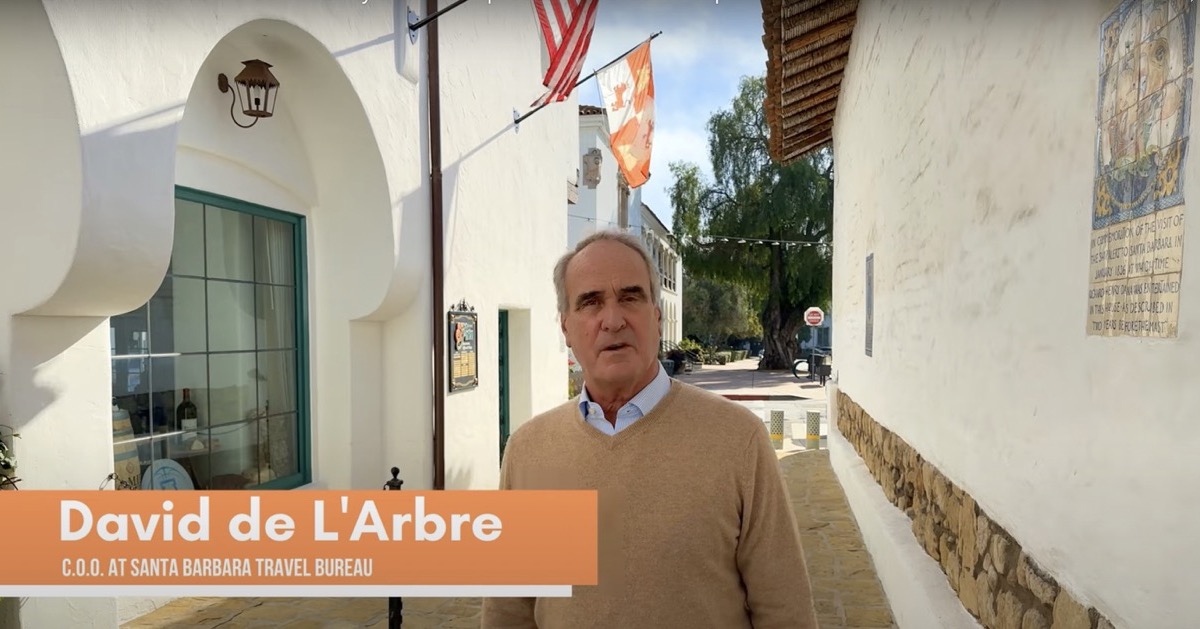
Property values have also suffered. Business and property owner David de L’Arbre reports that the closure decreased his property value by approximately 40% and hampered staffing efforts. De L’Arbre noted he now maintains a second office in Montecito at an annual cost of nearly $85,000 because clients avoid downtown.
Commercial real estate broker Rob Adams of Hayes Commercial Group says national and regional retail companies often remove lower State Street from consideration for new sites. Adams attributes this to a lack of car traffic, stating that visibility and daily traffic counts are primary metrics for investment.
How has the closure affected downtown accessibility and safety?
The State Street Business Alliance argues that the current circulation pattern is “strangled” and confuses drivers. They claim that forcing cars to circle surrounding blocks increases idling and congestion on neighboring streets, which they argue does not reduce overall emissions.
Accessibility for seniors and people with disabilities has also become a point of contention. The group asserts that golf carts are not a substitute for true accessibility, as they fail to meet the needs of those requiring dependable transportation and convenient drop-off locations.
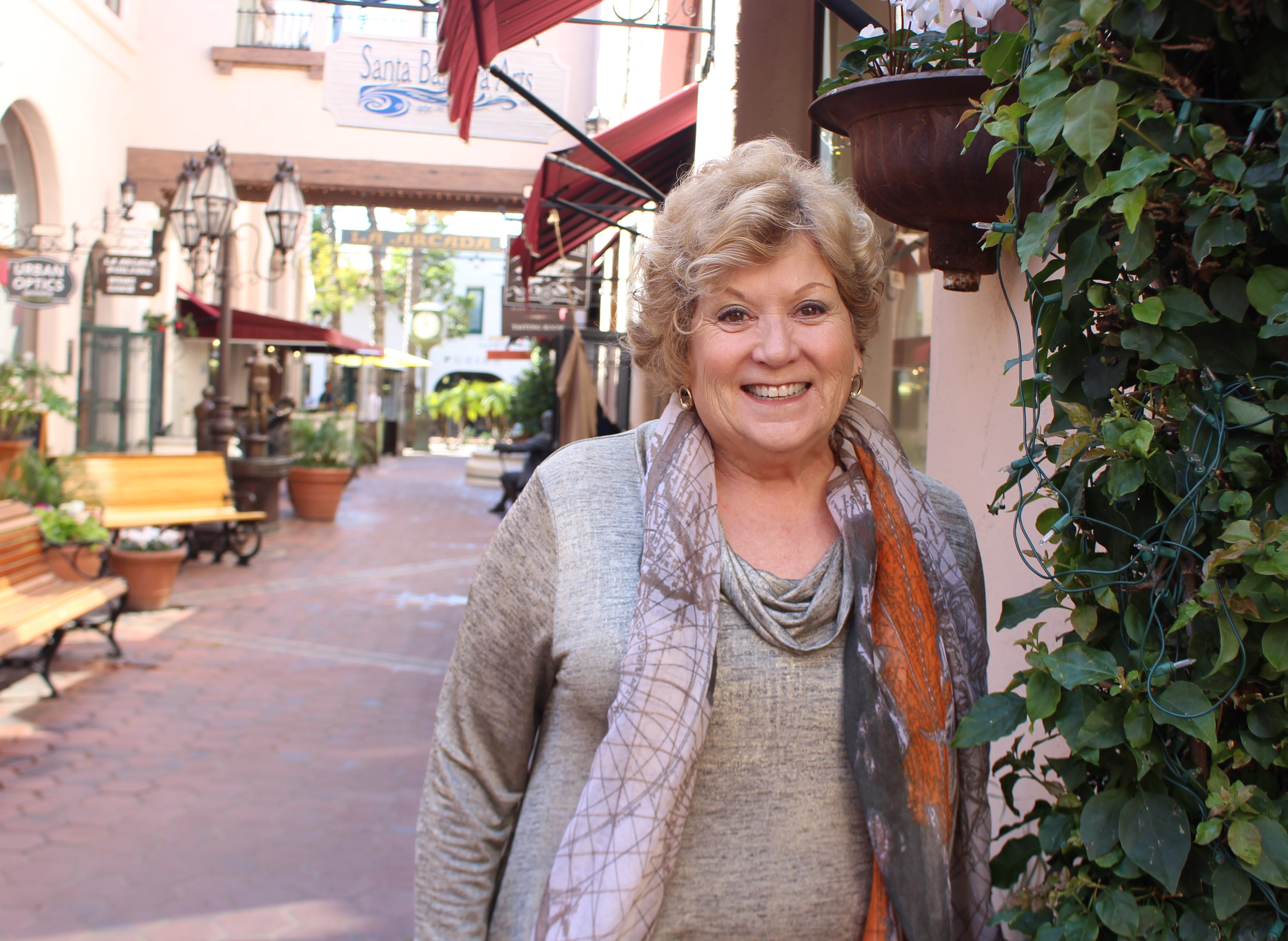
Safety concerns have also risen. Lynne Tahmisian, president of the La Arcada Investment Corporation, cites increased violence, homelessness, and dangerous walkways caused by speeding bikes. The Alliance suggests that the pedestrian experience has attracted vagrancy and disorder, reducing the sense of safety for residents.
What may happen next for State Street?
The State Street Business Alliance is calling for the City Council to repeal Title 31 and restore the street’s pre-COVID function. A possible next step could involve the restoration of the Historic Landmarks Commission’s authority over the historic district.
If the city chooses to maintain the current model, business owners like Monte Wilson, who reports a 30% drop in business, suggest that the district may continue to see high failure rates. Wilson points to a claim that pedestrian malls longer than three blocks have an 89% failure rate.
The Alliance believes that restoring vehicular access is the only way to restore equity and sustainability to the downtown business district. They argue that returning to a flexible street model could bring back the “American Riviera” charm that existed for generations prior to the closure.
Frequently Asked Questions
What is Title 31?
According to the State Street Business Alliance, Title 31 was a measure implemented to provide temporary flexibility during the pandemic by suspending normal processes, including Historic Landmarks Commission design reviews.
How long has State Street been closed to vehicles?
The closure has extended for six years.
What economic impacts have been reported by local owners?
Reports include a 40% average decrease in visitation according to Patrick Casey, a 40% drop in property value according to David de L’Arbre, and a 30% decrease in business for owner Monte Wilson.
Should historic city centers prioritize pedestrian zones or maintain vehicular access for economic stability?