

Why T-Rex Has Tiny Arms: Evolution Favored Skull Strength
For decades, paleontologists and dinosaur enthusiasts have questioned why the Tyrannosaurus rex, a formidable apex predator, possessed remarkably small and seemingly powerless arms. A recent study has provided a compelling answer, suggesting that evolution prioritized skull strength as the primary weapon.
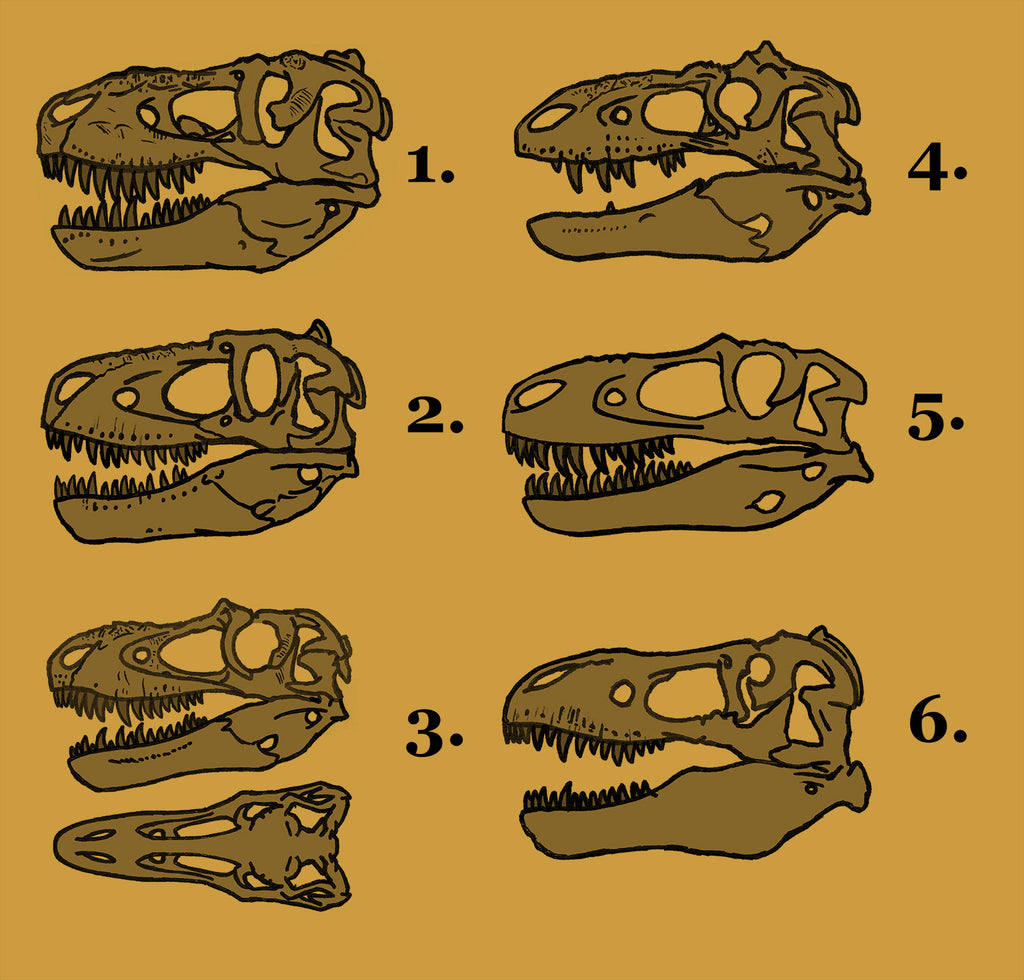
The research, led by Charlie Scherer, a PhD candidate from University College London and the University of Cambridge, reveals a close link between the shrinking arms of T. Rex and other carnivorous dinosaurs (theropods) and the increased power of their jaws.
Essentially, as the jaws became more powerful, the necessity for large arms to capture and hold prey diminished. This evolutionary shift allowed the skull to take over as the primary tool for neutralizing prey.
The Skull as a Primary Weapon
“Temuan kunci kami adalah kekuatan keseluruhan tengkorak memainkan peran terbesar dalam menentukan evolusi lengan yang lebih kecil,” stated Scherer.
Professor Steve Brusatte from the University of Edinburgh noted the striking physical contrast of the T. Rex. He described the arms as being roughly the size of human arms, yet attached to a body as large as a bus.
While these limbs may appear weak, this evolutionary path represents a highly lethal strategy of efficiency. The skull effectively replaced the forelimbs as the predator’s main offensive tool.
analysing the Evolutionary Data
To reach these conclusions, the research team analyzed measurements of the arms, skulls, and overall body sizes of 85 different theropod species. Their findings indicate that skull robustness is the strongest single predictor for the reduction of arm size.
This evidence challenges the “allometry hypothesis,” which previously suggested that arms shrank simply because the dinosaur’s overall body size increased. If that theory were accurate, all large dinosaurs would have evolved small arms.
The difference lies in diet and hunting methods. Unlike the T. Rex, the Deinocheirus did not need to neutralize large prey with a lethal bite, meaning it did not develop a super-strong skull at the expense of its arm size.
Impacted Lineages and Future Research
The study, published in Proceedings of the Royal Society B: Biological Sciences, identified five specific theropod groups that experienced arm reduction due to skull evolution:
- Tyrannosauridae: The family including the T. Rex.
- Abelisauridae: Known for having even more extremely small arms.
- Carcharodontosauridae: Giant predators with shark-like teeth.
- Ceratosauridae: A group of horned theropods.
- Megalosaurinae: An early group of predators.
While this research provides a comprehensive overview, some mysteries remain. Scientists are still investigating how the muscle structures of these shrinking arms changed over time.
Further research may be conducted to understand other evolutionary implications of this unique anatomical phenomenon.
Frequently Asked Questions
Why did T. Rex evolve small arms?
Evolution prioritized the strength of the skull as the primary weapon for neutralizing prey, which reduced the need for large arms.
Does body size alone cause arms to shrink in dinosaurs?
No. The study debunked the allometry hypothesis by showing that large herbivores like Deinocheirus kept large arms despite their size, proving that diet and hunting methods were the driving factors.
Which dinosaur groups experienced this arm reduction?
The reduction occurred in five theropod groups: Tyrannosauridae, Abelisauridae, Carcharodontosauridae, Ceratosauridae, and Megalosaurinae.
Do you think the T. Rex would have been a more effective hunter with larger arms, or was the powerful jaw a superior evolutionary trade-off?